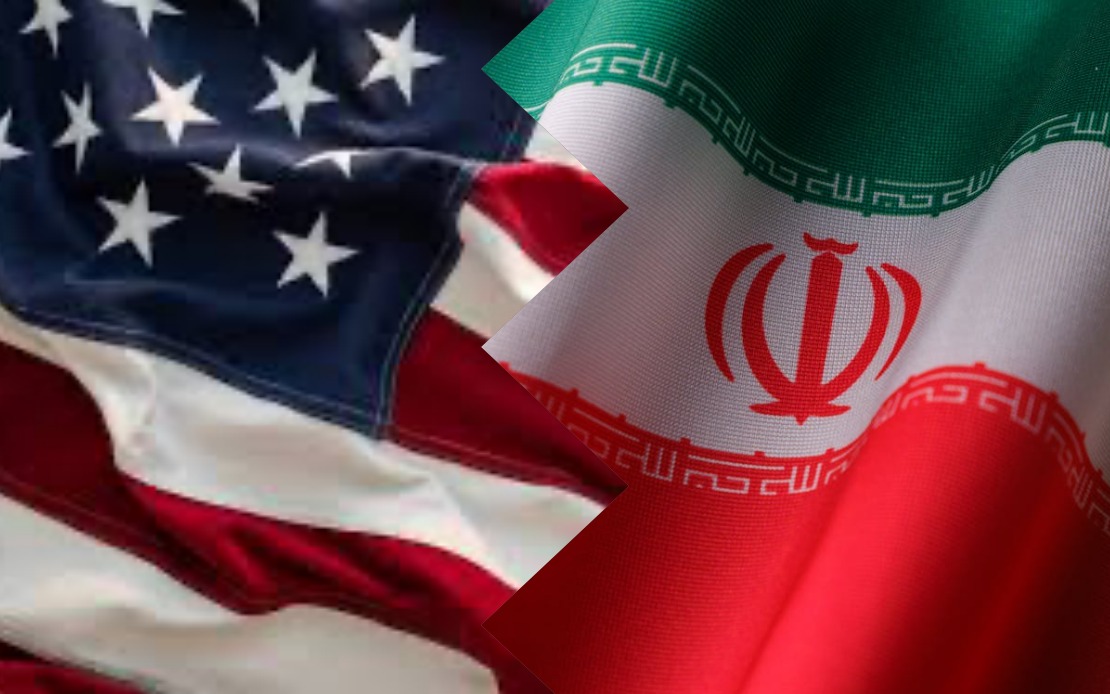
Qatar's leadership is pushing its Gulf neighbours to present a unified diplomatic front in implementing the controversial US-Iran memorandum of understanding, a move reflecting deepening concerns about regional stability following months of escalating military confrontations across the Middle East. Prime Minister and Foreign Minister Sheikh Mohammed bin Abdulrahman Al Thani launched a diplomatic blitz this week, holding separate discussions with senior officials from the United Arab Emirates, Saudi Arabia, Kuwait, Oman and Bahrain to build consensus around the agreement's provisions and coordinate regional security strategies.
The timing of Qatar's initiative underscores the fragility of current ceasefire arrangements in the Persian Gulf, where the tenuous June accord between Washington and Tehran has already unravelled spectacularly. The memorandum of understanding, brokered through Pakistani mediation after an April ceasefire, was designed to terminate direct military engagements and create a pathway toward comprehensive peace. Yet within weeks of its signing, both the United States and Iran resumed strikes against each other, triggering nearly two weeks of tit-for-tat attacks that rattled international markets and alarmed neighbouring states dependent on freedom of navigation through critical shipping channels.
Al Thani's message to his Gulf counterparts emphasised several interconnected concerns that dominate regional policy discussions. He stressed maintaining unwavering commitment to dialogue mechanisms and emphasised that all parties must honour the memorandum's specific commitments, particularly guarantees protecting merchant shipping through the Strait of Hormuz—a chokepoint through which roughly one-third of global maritime oil trade transits daily. The Qatari foreign minister framed implementation as essential not merely for bilateral US-Iran relations but as foundational to broader regional security architecture that affects every Gulf state's economic interests and strategic positioning.
The underlying geopolitical context makes Qatar's coordination push particularly significant for Southeast Asian observers and policymakers. The escalatory cycle began in February when American and Israeli forces conducted coordinated military operations against Iranian targets, prompting Tehran's direct retaliation through drone and missile strikes across multiple countries. This pattern of action and counter-action has created a dangerous precedent where each side's response triggers fresh rounds of strikes, raising genuine risks of further escalation that could engulf the entire region in conflict.
Qatar's unique position as regional mediator—a status it has cultivated through decades of dialogue with all major players—positions it as a potential stabilising influence. The country maintains diplomatic relations with Iran while hosting substantial American military infrastructure, including the massive Al Udeid Air Base. This balancing act gives Qatar credibility to call for restraint from multiple directions simultaneously, though it also exposes Doha to pressures from competing interests.
The memorandum itself represents a significant departure from decades of US-Iran hostility, even if its immediate collapse suggests structural obstacles to permanent reconciliation remain formidable. The agreement's provisions extending beyond simple ceasefire arrangements to encompass confidence-building measures and freedom of navigation protections indicate serious intent to address underlying sources of conflict. However, the rapid breakdown suggests that neither party views the agreement as constraining its fundamental strategic objectives or willingness to use military force when deemed necessary.
For Gulf Cooperation Council states—of which most of Qatar's interlocutors are members—the stakes involve protecting their own security from crossfire in potential US-Iran conflicts while preserving the regional stability essential for their diversified but still energy-dependent economies. Kuwait and Bahrain, smaller states particularly vulnerable to regional turbulence, have especially strong incentives to support diplomatic solutions. Saudi Arabia, as the region's preponderant power, weighs stability interests against security concerns regarding Iranian capabilities and intentions.
Oman's role deserves particular attention in this context, given its historical position as a neutral actor and its demonstrated capacity to facilitate secret talks between adversaries. Oman's inclusion in Al Thani's consultations suggests recognition that Muscat may harbour ideas for reviving dialogue channels or modifying the memorandum's terms in ways acceptable to both Washington and Tehran. The UAE, meanwhile, balances its own security partnerships with the United States against growing economic ties with China and pragmatic engagement with regional players including Iran.
Qatar's emphasis on implementing the memorandum rather than renegotiating it reflects a strategic choice to preserve the existing framework while building the political will for compliance. This approach acknowledges that the agreement, however imperfect, represents the most substantial diplomatic achievement regarding US-Iran relations in decades and that allowing it to collapse entirely would eliminate any mechanism for managing future crises. Implementation coordination among Gulf states could theoretically create peer pressure on both Washington and Tehran to honour their commitments.
The broader implications extend beyond the immediate US-Iran relationship to encompass regional security architecture more comprehensively. Southeast Asian states with significant trade exposure to the Persian Gulf—including Malaysia, Singapore, Thailand and Vietnam—have direct interests in preventing further escalation that could disrupt shipping routes and destabilise oil markets. Malaysia, in particular, as a major shipping hub and energy consumer, faces potential economic consequences from renewed regional conflicts that could trigger broader Middle Eastern instability.
Qatar's diplomatic initiative ultimately reflects a recognition that unilateral actions by individual states have proven insufficient to stabilise the region. The memorandum's collapse despite apparent initial acceptance demonstrates that durable peace requires not merely bilateral agreements between principals but also supportive structures from neighbouring states that can reinforce implementation, monitor compliance and help defuse tensions when they inevitably resurface. Whether the coordinated Gulf approach Al Thani is seeking can actually prevent further escalation remains uncertain, but the effort itself signals that regional actors understand the catastrophic potential consequences of allowing military confrontations to spiral further.

