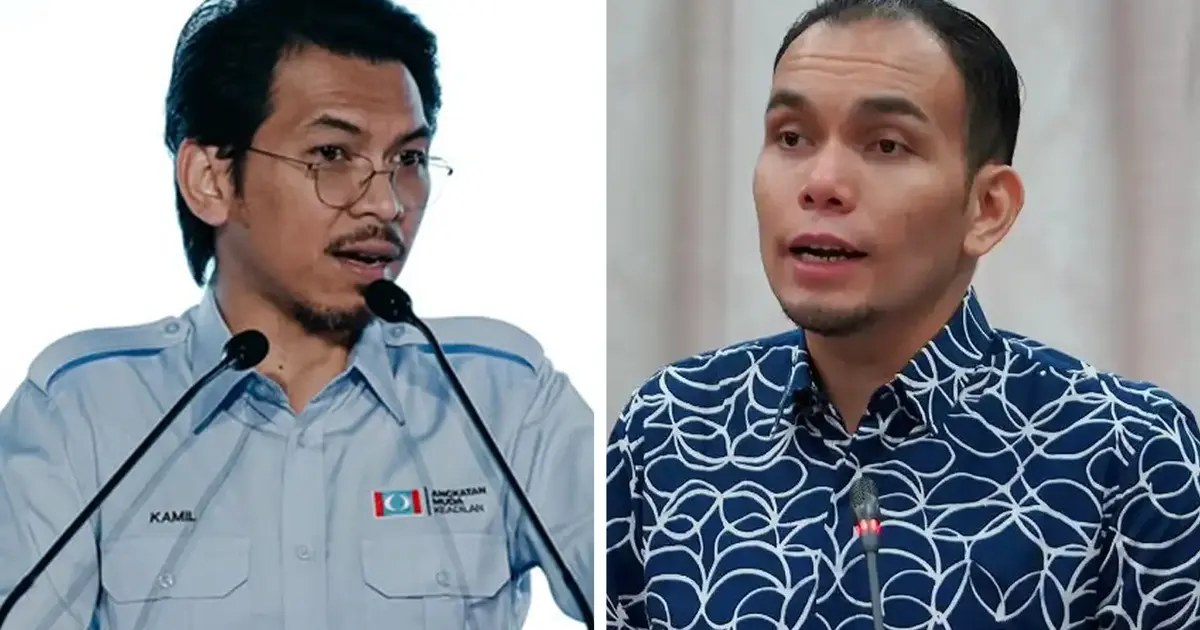
The debate over Tabung Haji's oversight has intensified with opposition lawmakers from PKR and DAP firmly pushing back against escalating calls from PN and Umno for a fresh Royal Commission of Inquiry into the pilgrims' fund. The friction reflects deeper divisions within Malaysia's political landscape over how to address the troubled institution's past, and signals lingering disputes about institutional accountability and financial transparency that continue to plague the country's governance.
Leadership within Perikatan Nasional and Umno have contended that a new RCI is warranted to thoroughly scrutinise the Muslim pilgrims' fund's financial stewardship and administrative practices. Proponents of this position argue that fresh investigatory powers would enable a comprehensive re-examination of decision-making processes and resource allocation at Tabung Haji, particularly regarding controversial investments and management decisions that preceded the fund's well-documented crisis.
The call for renewed inquiry follows years of turbulence at the institution. Tabung Haji has faced mounting scrutiny over its investment strategies, particularly its exposure to volatile asset classes and large-scale property ventures that deteriorated significantly during market downturns. These decisions resulted in substantial losses for millions of Malaysian Muslims who depend on the fund for pilgrimage savings, generating widespread public dissatisfaction and political recrimination.
PKR and DAP representatives contend that multiple investigations have already examined Tabung Haji's operations thoroughly. They argue that establishing yet another RCI would represent a wasteful duplication of effort and resources, diverting attention from implementing concrete reforms and remedial measures. The opposition's position reflects frustration that political point-scoring has overshadowed substantive action to restore the fund's financial health and governance standards.
The disagreement underscores how Tabung Haji's institutional failure has become a persistent flashpoint in Malaysian politics. Rather than achieving consensus around restructuring and reform, the fund has become a vehicle for inter-party recriminations, with different coalitions attempting to assign blame and justify their own policy positions. This politicisation has complicated efforts to develop coherent recovery strategies.
For Malaysian Muslims planning their hajj journeys, the ongoing political dispute carries real consequences. While politicians debate oversight mechanisms, the fund continues operating under enhanced scrutiny from regulators and with reduced investor confidence. The delay in implementing comprehensive governance reforms means that participants' savings remain subject to ongoing risks, and the fund's capacity to provide reliable pilgrimage financing remains constrained.
The regional implications extend beyond Malaysia's borders. Tabung Haji's travails serve as a cautionary example for other Southeast Asian nations managing faith-based financial institutions and pilgrimage funds. The case demonstrates how inadequate governance frameworks and insufficient oversight can accumulate into systemic crises affecting millions of ordinary citizens, particularly vulnerable populations relying on institutional integrity for major life expenses.
UN and PN's insistence on a new inquiry appears motivated partly by a desire to ensure their preferred narrative about Tabung Haji's mismanagement receives official sanction through formal investigation. A new RCI would provide an opportunity to revisit historical decisions and potentially implicate previous administrations, thereby shifting political responsibility. However, this calculus differs markedly from PKR and DAP's assessment that existing inquiry findings have adequately documented the fund's problems.
Institutional reform momentum could dissipate if this political standoff deepens without resolution. Tabung Haji requires decisive action on governance restructuring, investment policy clarification, and accountability mechanisms that command broad political support. The fund's recovery depends on restoring confidence among Muslim Malaysians that their pilgrimage savings are managed competently and ethically.
The disagreement also reflects broader Malaysian governance questions about the appropriate balance between investigative processes and implementation. While inquiries provide valuable documentation and fact-finding, they consume time and political capital without automatically producing policy solutions. The challenge involves determining when additional investigation genuinely serves accountability purposes versus functioning as political theatre that delays necessary systemic changes.
Resolving this dispute requires political maturity from all parties. Rather than escalating calls for competing investigations, coalition leaders should focus on identifying shared reform objectives and establishing timelines for governance improvements. Tabung Haji's millions of stakeholders have legitimate interests that transcend partisan positioning, demanding that politicians prioritise institutional restoration over factional advantage.
Moving forward, Malaysia's political coalitions would benefit from recognising that Tabung Haji's credibility restoration serves everyone's interests, regardless of which administration bears responsibility for past failures. Establishing cross-party buy-in for comprehensive reform packages, transparent implementation oversight, and realistic recovery timelines would demonstrate that political competition need not preclude collaborative solutions to institutional challenges affecting ordinary Malaysians' livelihoods.

