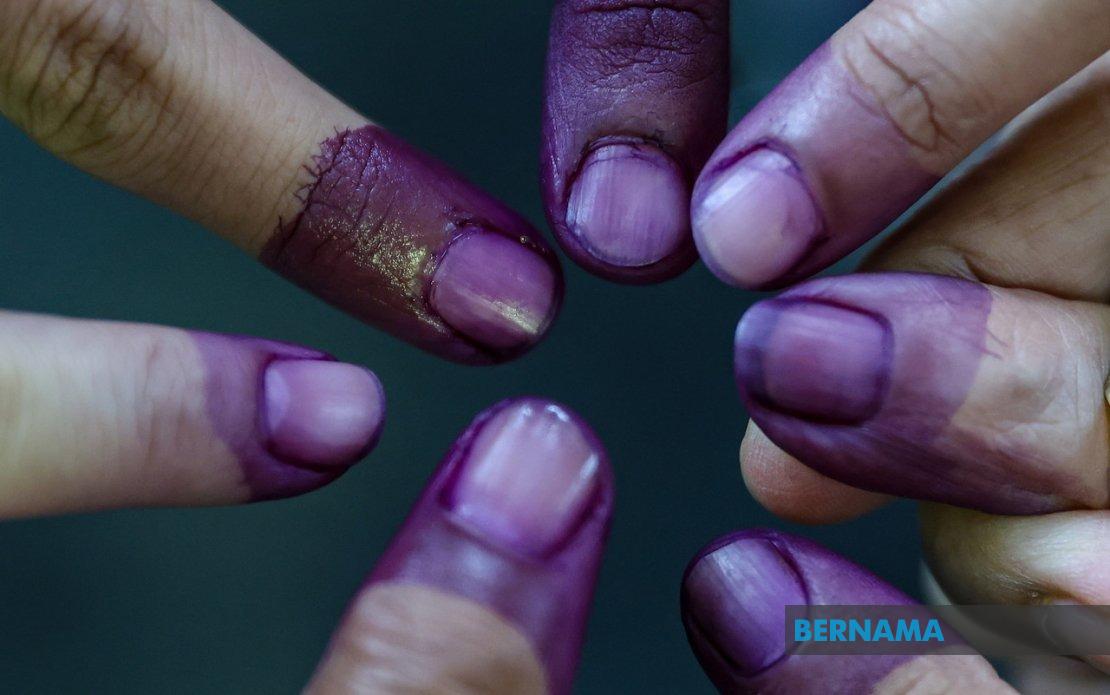
The 16th Johor state election on July 11 took on an unexpectedly commercial flavour as voters discovered that their purple-stained index fingers—the traditional mark of electoral participation—had become golden tickets to dining discounts and food promotions across the state. What began as a straightforward democratic exercise evolved into a lighthearted celebration, with participating retailers positioning themselves as grateful stewards of civic engagement, rewarding citizens for their ballot-casting efforts with everything from discounted beverages to complimentary fried chicken.
The indelible ink itself carries a meaningful history within Malaysia's electoral framework. First deployed by the Election Commission during the Kuala Besut by-election in 2013, the purple mark serves a critical anti-fraud function, preventing voters from casting multiple ballots and thereby strengthening the integrity of the democratic process. That a practical safeguard has now become a symbol of consumer privilege underscores how electoral traditions can intersect with modern commercial culture.
The Coffee Bean & Tea Leaf led the promotional charge by offering a 20 per cent discount on selected items to any customer who displayed their marked finger at participating outlets, with the offer valid exclusively on election day. Krispy Kreme followed suit with a more specific incentive: an Original Glazed doughnut priced at RM2 for voters showing proof of their electoral participation, available while supplies lasted at select Johor locations. These chain retailers understood the symbolic power of the moment—turning a civic duty into a brief window of consumer celebration.
Burger King extended its participation into the following day, providing a complimentary Soft Serve Cone ice cream with any set meal purchase, effectively stretching the promotional window for those unable to visit on election day itself. Marrybrown, the local quick-service restaurant favourite, contributed a free piece of fried chicken when customers ordered any MB Combo and revealed their inked finger. Each retailer calibrated its offer differently, reflecting various strategies for customer acquisition while maintaining the underlying message of appreciation for voter participation.
The promotions rapidly gained traction through social media channels from early morning onwards, as voters documented their post-ballot rewards at various outlets. The phenomenon created an organic marketing loop—voters themselves became brand ambassadors, sharing images and stories of their election day experiences and the accompanying freebies. This grassroots sharing elevated what might have remained isolated promotional efforts into a statewide narrative about the intersection of democratic participation and commercial goodwill.
Froman analytical perspective, these promotions reveal something intriguing about how Malaysia's commercial sector engages with electoral processes. Rather than remaining distant from the voting experience, brands positioned themselves as stakeholders in democracy itself, suggesting that consumer capitalism and civic responsibility need not exist in separate spheres. The modest value of individual offers—a discount here, a free item there—mattered less than the symbolic gesture of recognition. Voters were being told that their participation was noticed, appreciated, and valued enough to earn tangible benefits.
The scale of the election underscored the significance of these promotional efforts. More than 2.6 million eligible voters across Johor participated in determining who would occupy the 56 seats in the State Legislative Assembly, making this a substantial democratic exercise. A total of 172 candidates contested the election, representing eight distinct political formations: Pakatan Harapan fielded 56 candidates, as did Barisan Nasional, while Perikatan Nasional brought 33 hopefuls, Parti Bersama Malaysia 15, MUDA four, and smaller parties including Parti Orang Asli Malaysia, Parti Sosialis Malaysia, and six independent candidates rounding out the field.
For Malaysian readers, these promotional initiatives reflect a broader trend of how commercial entities increasingly recognize elections as moments of heightened social significance. The indelible ink, far from being merely a functional safeguard, became a conversational piece—something that connected voters to broader narratives about democracy, participation, and community. The commercial sector's enthusiastic participation normalized the idea that rewarding civic engagement was both acceptable and desirable.
The phenomenon also raises subtle questions about incentivizing electoral participation. While these promotions remained modest and voluntary, they nonetheless represented a form of reward for voting—a departure from traditional frameworks where the vote itself was considered sufficient recompense for civic duty. In the Malaysian context, where turnout across various elections has fluctuated considerably, such positive reinforcement may contribute to normalizing the voting experience as something to anticipate rather than merely observe.
Furthermore, the concentration of participating brands revealed market dynamics worth noting. The featured retailers—predominantly established international chains and successful local operators—possessed the infrastructure and marketing budgets to execute such campaigns quickly. Smaller food vendors and independent retailers, while potentially sympathetic to voter recognition efforts, lacked similar institutional capacity to launch comparable promotions, subtly reinforcing existing market hierarchies.
The Johor election's commercial dimension also reflected post-pandemic social dynamics. As Malaysians resumed normal electoral participation after disruptions in previous voting cycles, the festive atmosphere created by these promotions contributed to reframing elections as celebratory communal events rather than purely administrative exercises. This reframing, however lighthearted, served to rebuild positive associations with voting itself.
Looking forward, the success of Johor's voter reward initiatives may influence how future electoral cycles approach the relationship between commerce and democracy. Should other states or federal elections adopt similar promotional frameworks, they would likely build upon precedents established here, potentially expanding the scope and variety of election-day incentives available to voters. The question becomes whether such practices ultimately strengthen democratic participation or subtly commercialize what should remain fundamentally a political act.
Ultimately, the purple-stained fingers of Johor's voters on July 11 represented more than just anti-fraud measures—they became symbols of a moment when Malaysia's commercial sector and its electorate found common ground in celebrating democratic participation. Whether viewed as clever marketing or genuine civic appreciation, these promotions temporarily transformed voting into a rewarded activity, infusing the serious business of elections with moments of unexpected delight.

