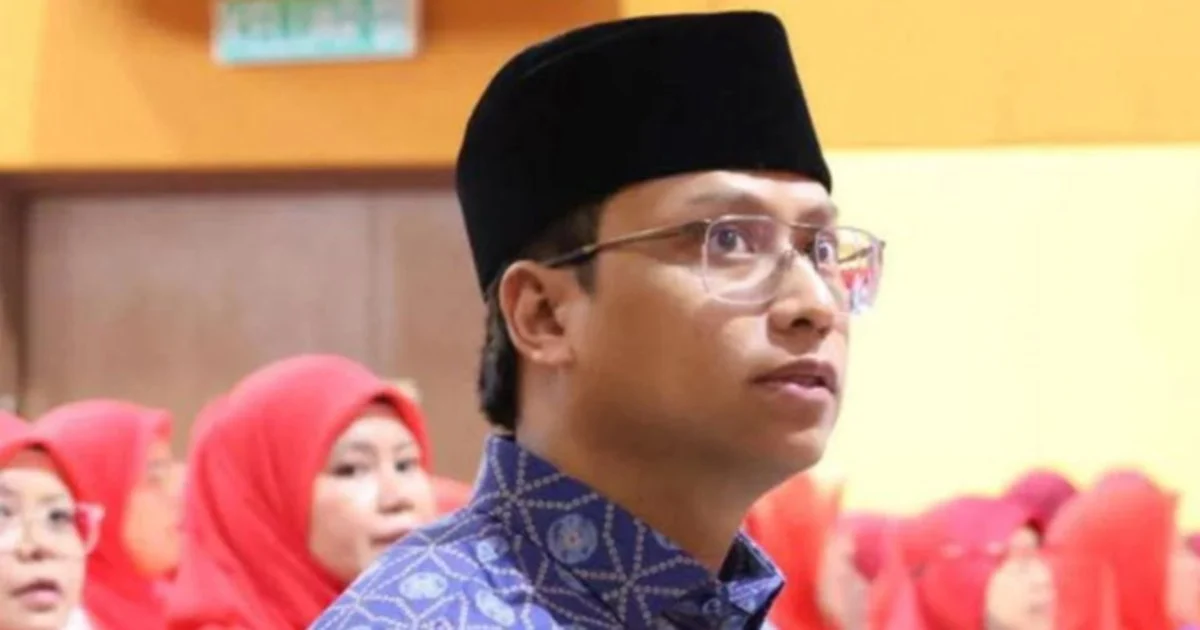
Datuk Dr Mohd Puad Zarkashi's son has stepped forward to defend his father's recent observations about the direction of Umno, insisting that the former Supreme Council member's remarks reflect a sincere concern for the party's future rather than any desire to undermine party leadership. Speaking in Kuala Lumpur, the younger Puad sought to reframe the discourse around his father's comments, positioning them as constructive intervention rather than factional criticism.
The intervention by Puad's son comes at a sensitive time for Umno, Malaysia's oldest political party, which continues to grapple with internal divisions and questions about its organisational strategy in a rapidly shifting political landscape. The party has faced mounting pressure from various quarters over its approach to contemporary political challenges, and senior members occasionally break ranks to voice concerns about internal direction. The younger Puad's public statement represents an unusual move—family members of prominent party figures seldom inject themselves into ongoing political disputes—suggesting the family regards the matter as sufficiently important to warrant clarification.
According to the son, his father's remarks should be understood as an effort to preserve Umno's institutional strength and political viability. The framing suggests that criticism from within party structures is not automatically antagonistic but can instead reflect attachment to the organisation's long-term interests. This perspective attempts to distinguish between loyalty to the party and loyalty to current leadership, a distinction that has become increasingly blurred in Malaysian politics over recent years. The son contended that his father's observations merit serious consideration rather than dismissal as dissent.
The younger Puad's defence also invokes the concept of historical judgment, suggesting that the wisdom of his father's position will ultimately be validated by time and events. This rhetorical move shifts the debate away from immediate party politics toward a longer historical timeline, implying that critics of Umno's current direction may yet prove prescient. Such framing is common when party members wish to signal that they stand apart from mainstream party messaging while maintaining their fundamental affiliation with the organisation.
For Malaysian readers following Umno's evolution, this family intervention illuminates the genuine tensions within the party between those who advocate for strategic renewal and those who prioritise maintaining existing institutional arrangements. Umno has historically relied on a degree of internal debate to process major strategic decisions, though the party's culture has grown more restrictive in recent decades. The appearance of Puad's son in defence of his father's position suggests that some within the party establishment believe such internal voices deserve a hearing.
The generational dimension of this episode is equally noteworthy. The intervention by a younger family member to defend an older politician's controversial statements may reflect changing attitudes among younger Malaysians about what constitutes acceptable party discourse. It also demonstrates how succession and institutional memory operate within Malaysia's traditional political families and party structures. The son's willingness to engage in the debate indicates that next-generation figures may prove less inclined toward the tight message discipline that characterised earlier Umno eras.
Contextually, Umno's recent experience has been tumultuous. The party lost federal government in 2018, spent nearly two years in opposition, and has since navigated a complex transition back to power alongside multiple coalition partners with divergent priorities. These dynamics have created space for internal questioning about strategic choices and organisational priorities. When significant figures like Datuk Dr Mohd Puad Zarkashi voice concerns about party direction, they often articulate anxieties shared by other members who lack the standing or willingness to speak publicly.
The son's intervention also carries implications for how Umno manages internal dissent more broadly. If family members of prominent figures feel compelled to publicly defend their relatives' critical comments, it suggests that the party's internal mechanisms for processing disagreement may not function adequately. Rather than allowing substantive debate within appropriate party forums, critical voices apparently feel obliged to air grievances through media statements and public commentary. This pattern, repeated across Malaysian political parties, indicates a structural challenge in institutional conflict management.
For observers of Malaysian politics, this episode reinforces that Umno remains contested territory intellectually and strategically, even as it maintains formal party discipline. The presence of thoughtful critique from within the party ranks—now reinforced by family advocacy—suggests that the party contains figures genuinely committed to its institutional future rather than merely to factional advantage. Whether such internal voices ultimately influence party policy and direction remains an open question, one that will indeed be answered by historical judgment as the son suggests.

