The National Higher Education Fund Corporation (PTPTN) has achieved a notable recovery rate in loan collections, securing RM197 million in repayments through debt negotiation agencies (APH) between July 2024 and May 2025. This outcome represents a tangible improvement in the fund's efforts to retrieve outstanding monies from borrowers with extended arrears, demonstrating measurable progress in a sector that has long grappled with collection challenges across Southeast Asia's higher education financing landscape.
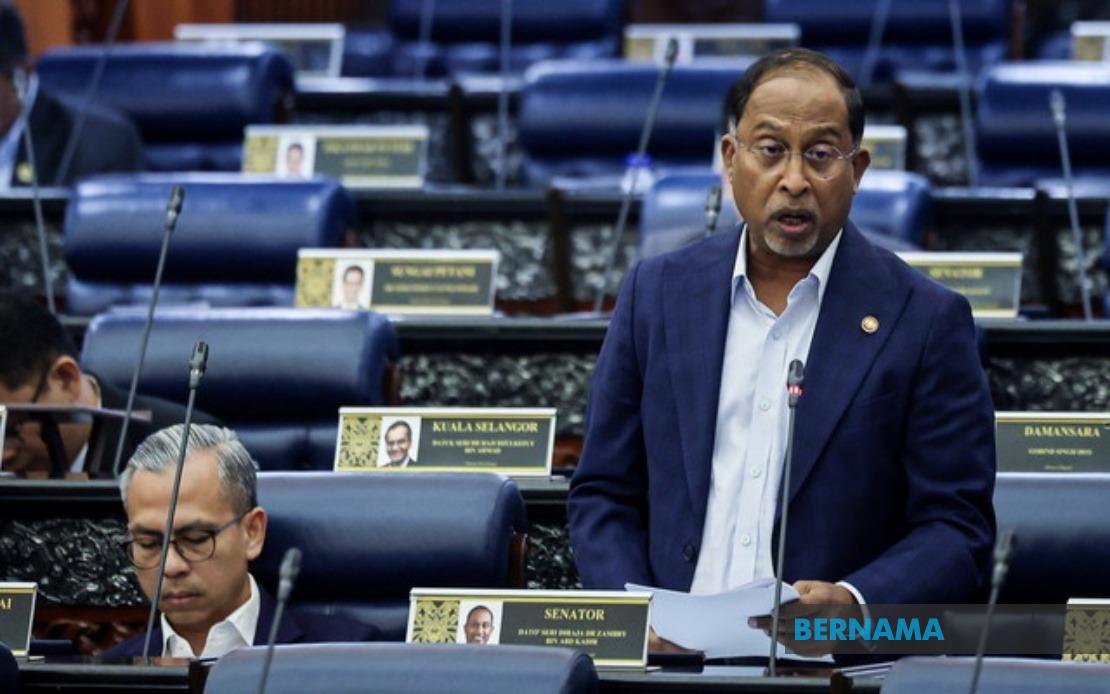
Higher Education Minister Datuk Seri Dr Zambry Abdul Kadir credited the debt negotiation agencies with instrumental performance, noting that the year-on-year uptick of 6.4 per cent underscores the effectiveness of these intermediaries in persuading borrowers toward compliance. The minister's comments, delivered during parliamentary proceedings, suggest that delegating collection responsibilities to specialized agencies has yielded results that direct government efforts alone had not consistently achieved, marking a strategic pivot in PTPTN's approach to managing its loan portfolio.
The scale of the challenge becomes apparent when examining the broader context: as of May, approximately 103,418 borrower accounts had been transferred to APH agencies, representing accumulated arrears exceeding RM3 billion. This figure illustrates the magnitude of delinquency within Malaysia's student lending system, where a significant portion of the borrowing population struggles with repayment obligations. For Malaysian policymakers and administrators overseeing higher education finance, these numbers underscore the systemic pressures facing the nation's tertiary education funding model.
Critically, PTPTN does not immediately resort to APH engagement for all delinquent accounts. The fund operates a tiered enforcement strategy, channeling borrowers to debt negotiation agencies only after specific conditions are met: outstanding arrears must exceed 120 months—a decade of non-payment—and a legal judgment must have been formally recorded. This gatekeeping approach reflects a deliberate escalation process designed to exhaust conventional remedies before handing accounts to external collectors, protecting borrowers from premature or unnecessarily aggressive action.
The minister emphasized that the APH mechanism serves as a collection tool rather than a punitive measure, a distinction that carries weight for borrowers navigating financial strain. Zambry stressed that appointing negotiation agencies does not signify the closure of dialogue between PTPTN and struggling borrowers. Instead, engagement with APH represents an alternative avenue for resolution when standard recovery channels have proven ineffective, thereby preserving the option for negotiated settlements even after accounts have been escalated.
Accessibility to modified repayment arrangements remains available to borrowers facing genuine financial hardship, irrespective of whether their accounts have been transferred to APH. Borrowers retain the right to lodge appeals and meet with PTPTN legal officers to arrange payment schedules commensurate with their current financial capacity. This flexibility acknowledges the reality that many defaulters face legitimate economic constraints rather than willful non-compliance, an important distinction for a developing nation where income volatility and underemployment affect significant portions of the workforce.
PTPN's assessment methodology incorporates multifaceted evaluation criteria when reviewing individual cases. The fund examines borrower income levels, existing financial commitments, and broader socio-economic circumstances before determining appropriate repayment terms. This individualized approach contrasts with rigid debt collection practices that apply uniform pressure regardless of borrower circumstances, theoretically ensuring that those genuinely unable to pay are not permanently excluded from the system through unmanageable obligations.
The question posed by Lim Lip Eng, the Kepong parliamentarian, reflects broader legislative scrutiny of how debt negotiation agencies operate within Malaysia's regulatory framework. Specifically, legislators have sought clarification on the guidelines governing APH conduct, the oversight mechanisms monitoring their activities, and whether alternative pathways exist for borrowers seeking to repay according to demonstrated ability. Such parliamentary engagement demonstrates awareness that delegating government collection functions to private agents introduces principal-agent risks requiring robust accountability structures.
For Malaysian borrowers and prospective students, the PTPTN system's evolution carries direct implications. The demonstrated effectiveness of negotiation agencies suggests that the government views outsourcing as a sustainable element of its collection strategy, potentially signaling that graduates should expect more assertive recovery efforts if they encounter repayment difficulties. Conversely, the emphasis on appeal mechanisms and individualized assessment offers a countervailing signal that genuine hardship cases will receive consideration rather than blanket enforcement.
The RM197 million recovery figure, while substantial, must be contextualized against the total outstanding arrears exceeding RM3 billion from 103,418 accounts alone. Even with the 6.4 per cent improvement, annual collections appear modest relative to the arrears volume, suggesting that debt negotiation agencies, despite their efficacy relative to internal efforts, still face considerable structural challenges in extracting repayments from populations with limited disposable income. This dynamic raises questions about the realistic trajectory of future collections and whether alternative policy interventions—such as income-contingent repayment structures—might prove more effective for Malaysian circumstances.
The sustainability of PTPTN's operations depends on balancing debt recovery with borrower welfare and social equity. As Malaysia pursues higher education expansion and seeks to widen access to tertiary learning, the fund must simultaneously manage existing arrears while ensuring that repayment expectations do not deter future cohorts from pursuing studies. The graduated approach through APH, combined with appeal mechanisms, attempts to thread this needle, though long-term success will depend on whether underlying economic conditions improve sufficiently for borrowers to meet their obligations.

