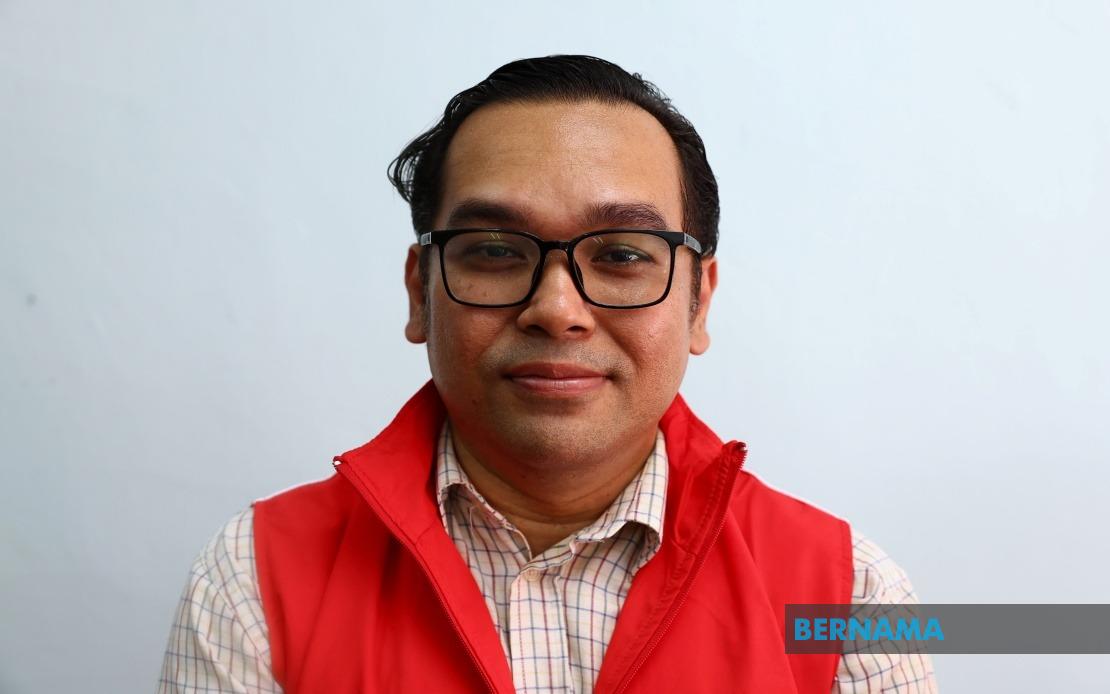
Parti Sosialis Malaysia (PSM) has fielded a single candidate in the 16th Johor state election, with Amir Syafiq Ameer Soekre competing for the Skudai seat on a platform centred on economic hardship and worker welfare. The 40-year-old sales executive brings grassroots activism credentials dating back to his teenage years, a background he frames as essential qualification for understanding the daily realities facing residents across the constituency.
Skudai presents a distinctive economic profile within Johor, with a substantial proportion of its workforce commuting across the causeway to Singapore for employment. This cross-border employment pattern, Amir Syafiq argues, exposes a fundamental failure of the local economy to provide adequate livelihood opportunities. Workers rising before dawn to undertake gruelling international commutes signal not convenience but desperation—a systemic inability of Malaysian wages to sustain families without supplementation through Singapore employment.
The candidate's diagnostic framing differs markedly from conventional political messaging in the state. Rather than emphasising infrastructure development or sectoral growth, Amir Syafiq positions inadequate compensation as the root problem necessitating structural economic reform. This analytical approach reflects PSM's traditional emphasis on labour rights and wealth redistribution, distinguishing the party's agenda from both the establishment orientation of Barisan Nasional and the reformist social democracy typically advocated by Pakatan Harapan.
Amir Syafiq holds a Master's degree in International Business Management from Teesside University in the United Kingdom, combining technical educational credentials with practical engagement in worker organising and community support. His professional experience as a party secretary alongside commercial employment places him outside conventional elite political recruitment channels, a positioning potentially resonant with voters sceptical of traditional political establishments.
The candidate's campaign vision, encapsulated in the concept "Skudai Saksama" or Equitable Skudai, emphasises multiracial harmony as prerequisite for economic justice. This framing suggests that community cohesion and fair distribution are interconnected objectives—that racial and religious tension cannot coexist with genuine wealth equity. For Malaysian electoral politics, this represents an integrative approach to economic messaging, avoiding zero-sum framing around communal resource allocation.
Three other candidates contest the Skudai seat alongside Amir Syafiq, reflecting a four-cornered contest characteristic of Malaysia's increasingly fragmented electoral landscape. Tan Hiang Kee represents Barisan Nasional's establishment dominance, Kartiyaini Jeyapalan carries Pakatan Harapan's reformist coalition credentials, and Eugene Chua Meng Chong stands for the newer Parti Bersama Malaysia. This competitive field presents voters with contrasting ideological and experiential options across the political spectrum.
The broader Johor electoral contest encompasses 56 state seats contested by 172 candidates, suggesting average competition intensity of just over three candidates per seat—a relatively crowded field indicating ongoing fragmentation of Malaysia's party system. This multiplication of candidates stems partly from newer party formations and partly from fissures within established coalitions, creating both opportunities and challenges for minor parties like PSM seeking to establish voter presence.
Election logistics for Johor's poll involve early voting on July 7, with primary polling scheduled for July 11. This compression of the voting schedule—early voting preceding general polling by four days—reflects administrative efficiency considerations but may advantage established parties with superior ground organisation and voter mobilisation capacity. Smaller parties face particular challenges in rapid voter contact and persuasion across compressed campaign cycles.
Amir Syafiq's confidence in his grassroots approach despite facing opposition from major party representatives reflects either strategic optimism or genuine belief in activist-based campaigning resonance. Malaysian electoral history offers mixed evidence regarding grassroots intensive campaigns' effectiveness against party machinery advantages, particularly in state contests where local government resources can be mobilised for preferred candidates.
The cost of living emphasis carries particular weight in Johor during 2024, as inflation pressures persist across Southeast Asia despite modest moderation from 2022-2023 peaks. Electricity, transport, food and housing costs remain salient voter concerns across income levels, making economic messaging a potentially unifying electoral theme across diverse demographic groups. Amir Syafiq's framing of this issue around wage adequacy rather than price controls or subsidies positions PSM distinctively within the policy discourse.
Public amenities and service quality comprise the third element of Amir Syafiq's stated priorities, suggesting attention to municipal governance and community infrastructure alongside macroeconomic concerns. This multi-level policy approach—combining national wage standards, local service provision, and community cohesion—presents a comprehensive governance vision differentiated from single-issue campaigns or purely developmentalist platforms.
PSM's historical positioning as Malaysia's longest-operating socialist party lends ideological weight to its economic critiques, though the party has struggled to translate activist legitimacy into electoral viability. Amir Syafiq's candidacy represents an attempt to convert decades of grassroots work into competitive electoral performance, testing whether community organising credentials resonate with voters amid fragmented party competition. The Skudai result will provide modest evidence regarding minor left-wing parties' contemporary electoral prospects in Malaysian state contests.

