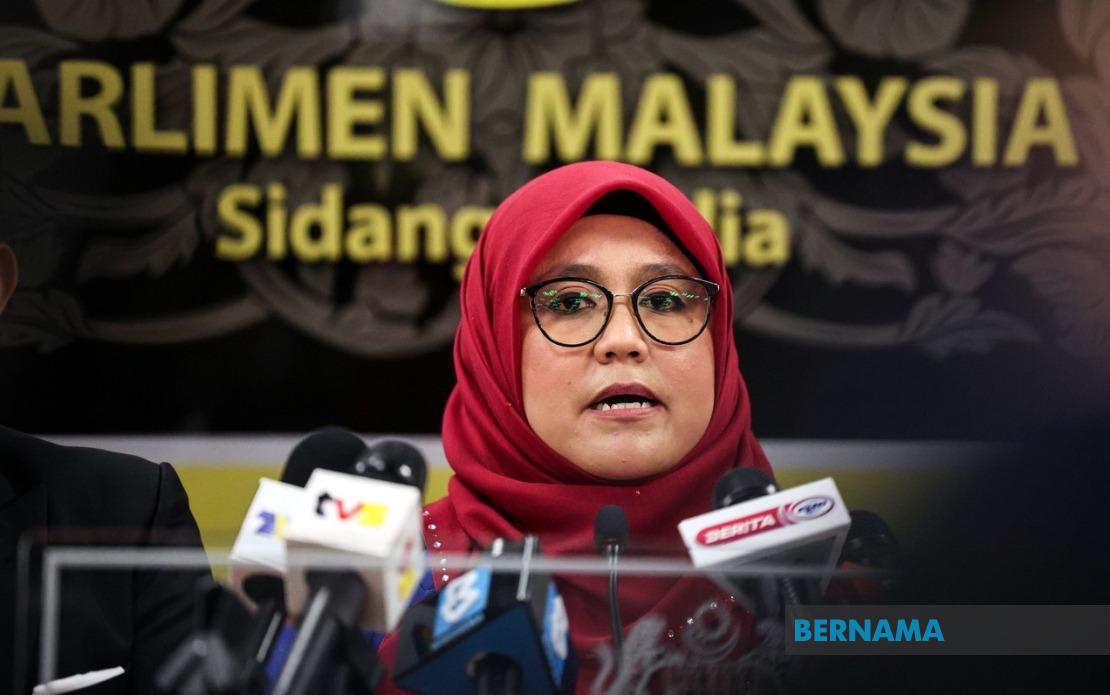
The Public Accounts Committee has zeroed in on the hidden cost drivers behind Malaysia's climbing health insurance premiums, pointing squarely at private hospitals' non-professional charges rather than physician fees. Speaking through Kapar MP Dr Halimah Ali in parliament, PAC chairman Datuk Mas Ermieyati Samsudin presented findings that fundamentally reshape the debate around healthcare affordability in the country. While doctors' professional fees have remained regulated since 2013, the explosion in charges for supplies, equipment, medicines, diagnostics and laboratory services—entirely outside regulatory oversight—has become the engine of premium inflation.
The distinction matters significantly for Malaysian households grappling with increasingly unaffordable health coverage. Uncontrolled non-professional expenses encompass not only the direct cost of medical materials but also surcharges for advanced treatments and technologies, compounded by mounting operational expenditures at private facilities including staffing, power consumption and infrastructure upgrades. Beyond these legitimate operational pressures, the committee identified deliberate pricing manoeuvres: defensive medicine practices driven by litigation fears, and what amounts to financial engineering that obscures the true cost of care. These mechanisms have created an opaque financial ecosystem where patients and insurers alike struggle to understand what they are actually paying for.
A fundamental transparency deficit plagues Malaysia's private healthcare sector. The absence of standardised billing frameworks across hospitals means equivalent procedures at different facilities—or even at the same facility for different patient categories—carry vastly different price tags. This fragmentation prevents meaningful cost comparison shopping and enables price discrimination at scale. The committee discovered that pharmaceutical expenses often absorb inflated markups designed to cross-subsidise unmeasured costs such as nursing labour and utilities that hospitals decline to bill separately. This accounting opacity effectively renders invisible portions of operational costs, obscuring true service pricing.
Unbundling practices represent another form of revenue multiplication. Private hospitals systematically disaggregate what should constitute bundled services into separately-charged line items: clinical waste disposal, pillowcase provision, alcohol swabs and analogous consumables that reasonably belong within standard care packages. By itemising these granular elements, hospitals artificially multiply billable transactions and overall patient costs. The committee's documentation of this practice reveals not mere operational differences but deliberate restructuring of billing to maximise revenue extraction.
Price discrimination based on payment method constitutes perhaps the most ethically troubling finding. Patients presenting guarantee letters from insurers face systematically higher rates than those paying directly from personal funds or through claim-reimbursement pathways. This two-tier pricing structure penalises the insured, perversely incentivising self-payment for those financially capable and inflating premiums for those relying on insurance coverage. The practice amounts to cross-subsidisation where insurance holders subsidise uninsured patients, while simultaneously paying premium surcharges.
Pharmaceutical supply chains harbour their own competitive distortions. The committee uncovered instances where generic medications commanded prices exceeding those of branded innovator drugs—a reversal of normal market economics. More fundamentally, Malaysia's medicinal landscape features over 1,500 drugs with monopoly manufacturing situations, where single-source registration eliminates price competition entirely. This regulatory structure, whether intentional or inadvertent, creates protected pricing fiefdoms where pharmaceutical companies face no competitive pressure to moderate costs. The absence of parallel importing options or generic alternatives for affected medicines compounds the problem.
For Malaysian readers accustomed to public healthcare's subsidised framework, these private sector dynamics represent a cautionary economic narrative. As middle-class aspirations drive migration toward private facilities for shorter waiting times and perceived quality advantages, households find themselves locked into premium spirals driven by factors largely beyond their control. The divergence between regulated professional fees and uncontrolled non-professional charges creates a perverse incentive structure where hospital profitability increasingly derives from cost inflation rather than efficiency improvements or volume expansion. Insurance premiums consequently escalate not because doctors demand higher compensation but because entire supply chains have become optimised for cost maximisation.
The PAC's 17 recommendations target systemic reform across multiple regulatory domains. Implementing the Diagnosis-Related Group payment system would impose standardised, transparent pricing based on procedure classifications rather than hospital-specific mark-ups. Legislative amendments to the Private Healthcare Facilities and Services Act 1998 would extend regulatory authority beyond professional fees into non-professional charges, bringing hospitals within the same oversight framework as pharmaceutical pricing. Coordinated action between the Ministry of Health and Ministry of Domestic Trade and Cost of Living could establish pricing mechanisms for medicines and equipment, while exploring direct procurement arrangements that bypass supplier intermediaries.
The committee particularly emphasised reducing dependence on cartels and exclusive distributorships through localised manufacturing partnerships. Malaysia's existing pharmaceutical manufacturing capacity could potentially substitute for imported products, reducing foreign exchange leakage while lowering consumer prices through shorter supply chains. Direct relationships with local manufacturers would eliminate distributor markups that currently inflate costs at multiple supply chain tiers. This localisation strategy aligns with broader national self-sufficiency objectives while addressing healthcare affordability through structural economic reorganisation.
Parliamentary response reflected consensus across political divisions regarding reform necessity. Members from government and opposition benches advocated for strengthened private hospital regulation, heightened insurance sector transparency and expedited DRG implementation. Significantly, parliament called for enhanced public healthcare investment as a counterbalance to private sector cost inflation, recognising that healthcare system sustainability requires dual-sector equilibrium. Proposals for university hospital fee freezes until alternative capacity materialises reflect concern that cost escalation drives vulnerable populations entirely from the system. Meanwhile, suggestions for enhanced taxation of profitable medical tourism operations implicitly acknowledge that private hospitals derive substantial revenue from international patients, enabling cross-subsidisation of high markup structures.
For Southeast Asian regional observers, Malaysia's situation illuminates broader challenges facing middle-income healthcare systems navigating the transition between subsidised public provision and expanding private markets. The PAC findings demonstrate that unregulated private sectors do not spontaneously produce efficient, transparent, competitive markets—instead they generate the opposite: opacity, discrimination and monopolistic extraction. As neighbouring economies liberalise healthcare sectors and expand private insurance markets, Malaysia's experience provides cautionary documentation of how regulatory vacuums invite systematic cost inflation divorced from actual service quality improvements. The committee's recommendations suggest that competitive healthcare markets require active regulatory architecture, not regulatory absence, to function equitably.

