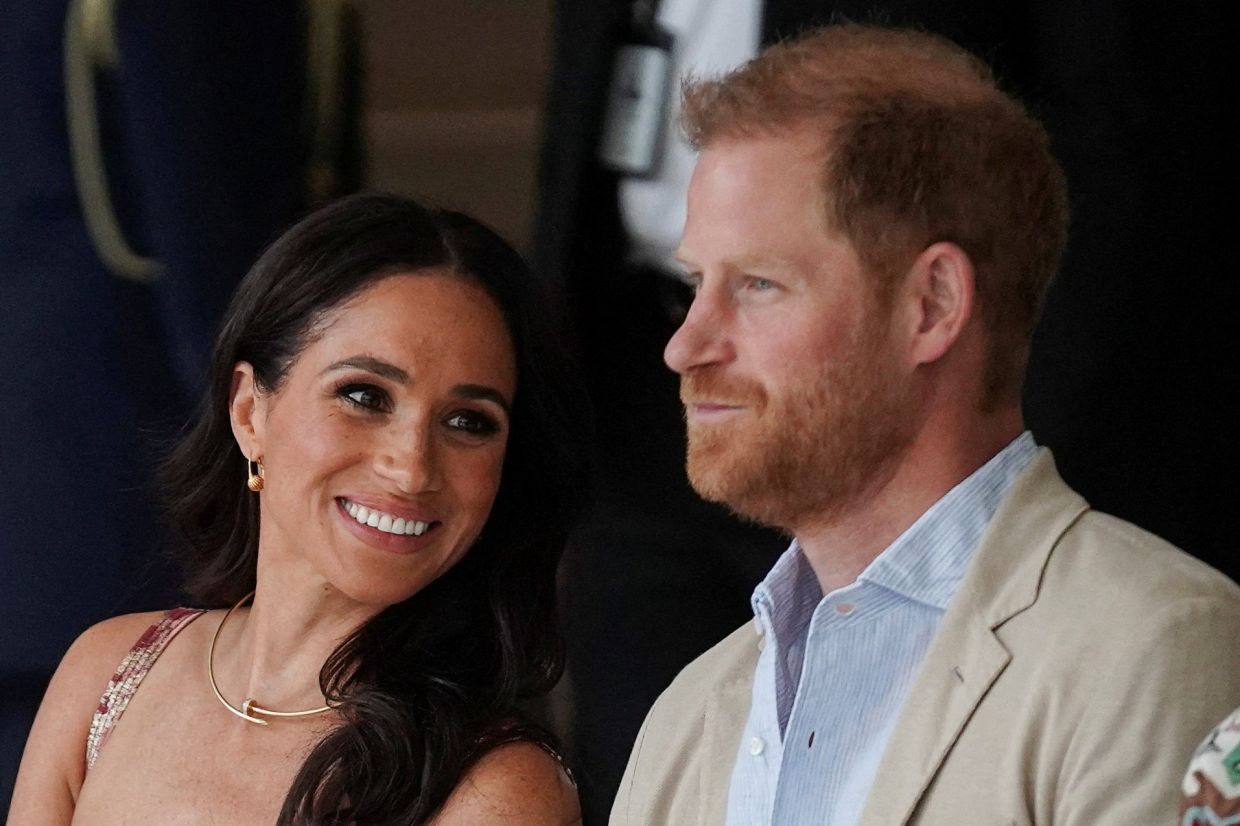
Prince Harry and Meghan have made the decision to return to the United Kingdom with their family, according to reports from British news media outlets late Wednesday, signalling a dramatic reversal in their transatlantic lifestyle despite their stated intention to remain outside the working royal framework. The couple, who abandoned their formal duties more than six years ago to establish themselves in California through entertainment industry ventures, now plan to settle back in Britain with their two children, Prince Archie, seven, and Princess Lilibet, five, who have already secured places at British schools ahead of a September start.
The relocation represents a carefully calibrated recalibration of the couple's positioning within the British establishment. While their return to UK soil is undoubtedly significant given their acrimonious departure and the subsequent deterioration of relationships with senior members of the royal household, Harry and Meghan are apparently intent on clarifying that this move does not constitute a homecoming to formal royal employment or ceremonial obligations. King Charles III was informed of the arrangement on Sunday, notably after the couple had already made substantial progress toward the move, suggesting their planning has proceeded with considerable discretion and independence from palace coordination.
The timing of this announcement carries particular weight given the ongoing health challenges facing the monarchy. Charles is currently undergoing treatment for an undisclosed form of cancer, a circumstance that has clearly weighed on Harry's thinking about family relationships and legacy. The prince has recently expressed a genuine desire to pursue reconciliation with his father, motivated partly by the recognition that time with an ageing parent cannot be assumed indefinite. This emotional driver appears to have overridden the considerable practical and relational obstacles that have characterised their separation, suggesting a fundamental reassessment of priorities on Harry's part.
The couple's original departure from Britain was precipitated by their desire to establish financial independence outside the constraints of royal patronage, leading to lucrative deals with streaming giants Netflix and Spotify that have substantially enriched their portfolio. Those commercial arrangements have proven sufficiently robust to allow them to maintain their lifestyle whilst returning to Britain, eliminating any financial necessity to resume formal royal positions. This independence appears to be a crucial condition of their return, allowing them to remain in the UK whilst preserving the autonomy they fought so determinedly to secure.
Relations between Harry and the broader royal family have been marked by extraordinary turbulence since their departure to Montecito in Southern California. The couple has granted extensive interviews and Harry has published a detailed memoir that disclosed numerous family grievances and personal disputes, generating considerable public friction and tabloid attention. These revelations intensified existing tensions and created wounds that many observers considered potentially irreparable, yet the possibility of residential proximity to the king has apparently motivated Harry to reconsider the utility of perpetual conflict.
Compounding the family discord have been Harry's protracted legal disputes with British media organisations, which he alleges engaged in systematic phone hacking and privacy invasion during his younger years. A recent court judgment has left the prince facing substantial financial liability, including potential payment of approximately £34.5 million in legal costs to Associated Newspapers following adverse rulings in multiple cases. These legal setbacks have proven both financially draining and publicly humiliating, adding another layer of complexity to his relationship with the British institutional landscape.
Further straining Harry's position in Britain has been a separate conflict with the government over personal security provisions. Following his loss in a court battle over armed police protection, the prince expressed a public commitment to rebuilding family relationships, stating to the BBC that he harboured no interest in continued antagonism. His reflections on his father's mortality appeared to crystallise a shift in perspective, with Harry stating bluntly that reconciliation was preferable to perpetual conflict and acknowledging uncertainty about his father's remaining lifespan.
A tentative softening became visible during Harry's recent visit to the UK for charitable commitments, when Meghan and the children joined him for a portion of the stay. The family was granted access to King Charles at his Highgrove estate in Gloucestershire, providing Prince Archie and Princess Lilibet with their first opportunity to spend substantive time with their grandfather since attending Queen Elizabeth II's platinum jubilee celebrations in 2022. This occasion demonstrated that whilst formal avenues remained fraught, personal connections could still function at the level of private family engagement.
However, there remain significant complications in the broader royal landscape. Prince William, the heir to the throne and Harry's younger brother, has shown no equivalent inclination toward reconciliation, and observers note that William's position is likely to be strained by this development. Former BBC royal correspondent Peter Hunt suggested the announcement would provoke strong negative reactions from William, who may view Harry's physical return to Britain as an unwelcome intrusion into his sphere of influence and a constraint on his capacity to avoid addressing the fundamental rifts that have fractured the family.
The practical reality of Harry and Meghan's presence in Britain, Hunt observed, may paradoxically create pressure toward resolution rather than entrenching divisions. With the couple and their children now based in the UK rather than thousands of miles away in California, the elaborate avoidance mechanisms that have characterised the past six years become considerably less viable. The possibility of chance encounters, the necessity of coordinating family occasions around the presence of young children, and the simple logistics of proximity may force conversations that have been postponed through geographic separation.
For Malaysia and Southeast Asian observers, this development carries implications regarding the global positioning of the British monarchy and the extent to which even the highest levels of institutional hierarchy are subject to the pressures of modern family dynamics and personal reconciliation. The narrative also illustrates how financial independence and alternative power bases can reshape relationships with traditional institutions, a theme of considerable relevance throughout the region as younger generations increasingly chart their own courses relative to established hierarchies and family expectations.
Buckingham Palace has maintained its standard protocol of declining to comment on matters involving non-working members of the royal family, and representatives for Harry and Meghan have similarly refrained from offering substantive remarks beyond confirming the basic facts. This mutual silence suggests an understanding that official acknowledgment could complicate the delicate process of family reintegration and that discretion serves all parties' interests at this juncture. The couple's children will shortly begin their educational journey in the British system, anchoring the family's return with tangible institutional commitments and marking a decisive turn in one of modern Britain's most compelling family sagas.

