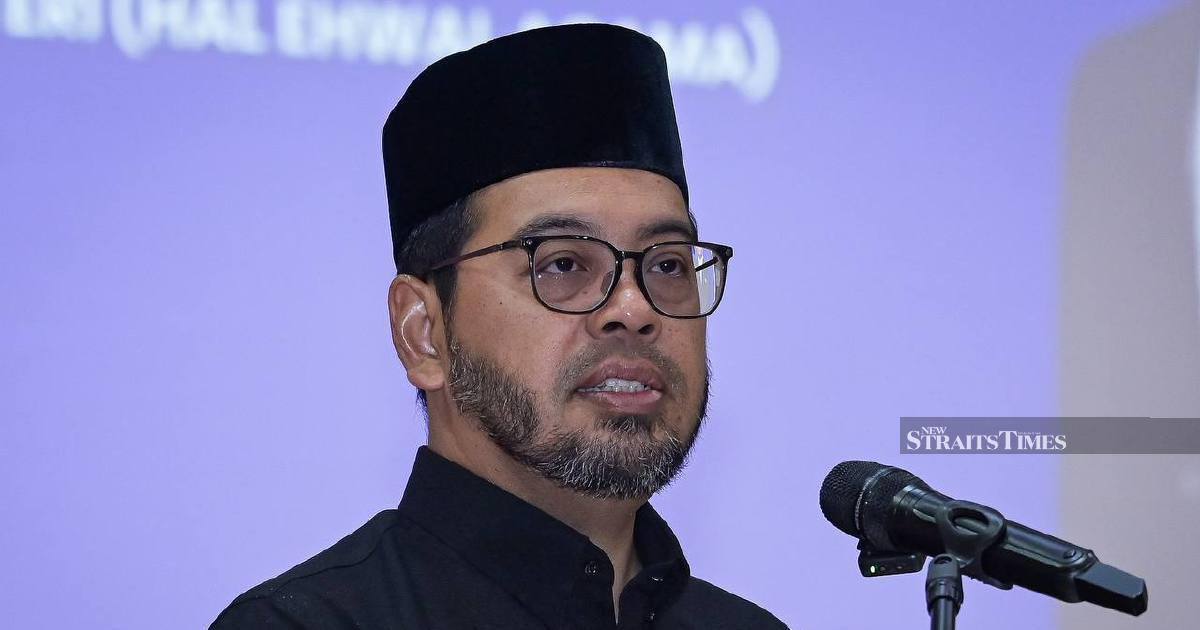
The Prime Minister's Department (Religious Affairs) has formally aligned itself with His Majesty Sultan Ibrahim, King of Malaysia's directive for a comprehensive and transparent investigation into the findings of the Royal Commission of Inquiry (RCI) concerning Lembaga Tabung Haji (TH). This public backing from a key governmental body underscores the seriousness with which the monarchy views the probe and signals sustained institutional commitment to addressing the issues uncovered by the RCI.
Tabung Haji, Malaysia's sole dedicated pilgrimage savings scheme, has faced mounting scrutiny over financial management practices and investment decisions. The Royal Commission's investigation was established to examine governance structures, financial practices, and other matters affecting the fund, which holds savings from millions of Malaysian Muslims. The issues identified by the RCI have touched upon a sensitive area of public concern, particularly given the religious and financial trust placed in the institution by its members.
The Royal Monarch's emphasis on thoroughness, transparency, and uncompromising standards reflects broader institutional expectations that the probe be conducted with rigour and without interference. By invoking these three pillars, His Majesty has essentially set a high bar for how the investigation should proceed, leaving no room for cursory examination or political expediency. The backing from the Prime Minister's Department (Religious Affairs) confirms that the executive arm responsible for religious matters in Malaysia is aligned with this vision.
Transparency in such investigations carries particular weight in Malaysia's current political climate, where public confidence in institutions has been tested by previous governance scandals. The explicit commitment to transparency suggests that findings and procedures will be made available for public scrutiny, though the extent of disclosure will likely be determined by applicable laws and regulations. This openness serves to rebuild trust in both the RCI process and in Tabung Haji's future administration.
The religious dimension of Tabung Haji adds another layer of significance to this inquiry. As a Shariah-compliant savings and investment fund, any perceived mismanagement strikes at the intersection of financial stewardship and religious trust. Muslims contributing to Tabung Haji do so with the expectation that their funds are managed according to Islamic principles and prudent financial practices. The RCI's findings and any subsequent investigations therefore carry implications not just for individual depositors but for confidence in Islamic financial institutions more broadly across Malaysia and the region.
From a regional perspective, Malaysia's handling of the Tabung Haji situation could influence perceptions of governance standards in Islamic finance across Southeast Asia. The country positions itself as a leader in Islamic financial innovation and integrity, hosting major Islamic financial institutions and regulatory bodies. How thoroughly and transparently the RCI findings are investigated and acted upon will send signals to international investors, depositors, and other nations about Malaysia's commitment to institutional accountability.
The involvement of the Prime Minister's Department (Religious Affairs) suggests coordinated governmental action on the matter. This department oversees federal religious administration, Islamic education, and related policies, making it a crucial node in any response to religious institution governance issues. Its public declaration of support for the King's directive indicates that addressing the RCI findings has been elevated as a priority within the federal religious bureaucracy.
The insistence on conducting investigations without compromise appears aimed at foreclosing any possibility of political interference or partial remediation. In Malaysian governance, such explicit statements often serve to constrain potential actors who might otherwise attempt to soften findings or shield individuals from accountability. By publicly committing to uncompromising standards, both the monarchy and the Prime Minister's Department have created a framework that makes half-measures or selective accountability more difficult to justify politically.
For Tabung Haji members and the broader Malaysian Muslim community, this alignment between the monarchy and the executive offers reassurance that grievances related to fund management will be pursued with seriousness. However, it also raises expectations about what will ultimately flow from the investigation—not just findings, but concrete remedial actions, reformed governance structures, and restored confidence in the institution. The pathway from investigation to implementation of reforms will be closely monitored by depositors and religious scholars alike.
The timing and nature of this public backing also suggests that stakeholders, including the monarchy and the Prime Minister's Department, believe significant action is warranted. While RCI reports are not automatically binding on the government, the explicit monarchical and departmental backing heightens pressure for substantive governmental response. Implementation of recommendations, rather than mere acknowledgement, will now become the measure of whether this institutional support translates into meaningful change.
Moving forward, the challenge lies in converting this rhetorical commitment to thoroughness and transparency into institutional practice. Investigation teams will need resources, independence, and political space to conduct their work effectively. Simultaneously, the findings must be communicated in ways that demonstrate accountability while protecting legitimate interests. The Prime Minister's Department (Religious Affairs) will likely play a central role in translating RCI outcomes into policy and administrative action affecting Tabung Haji's future operations.

