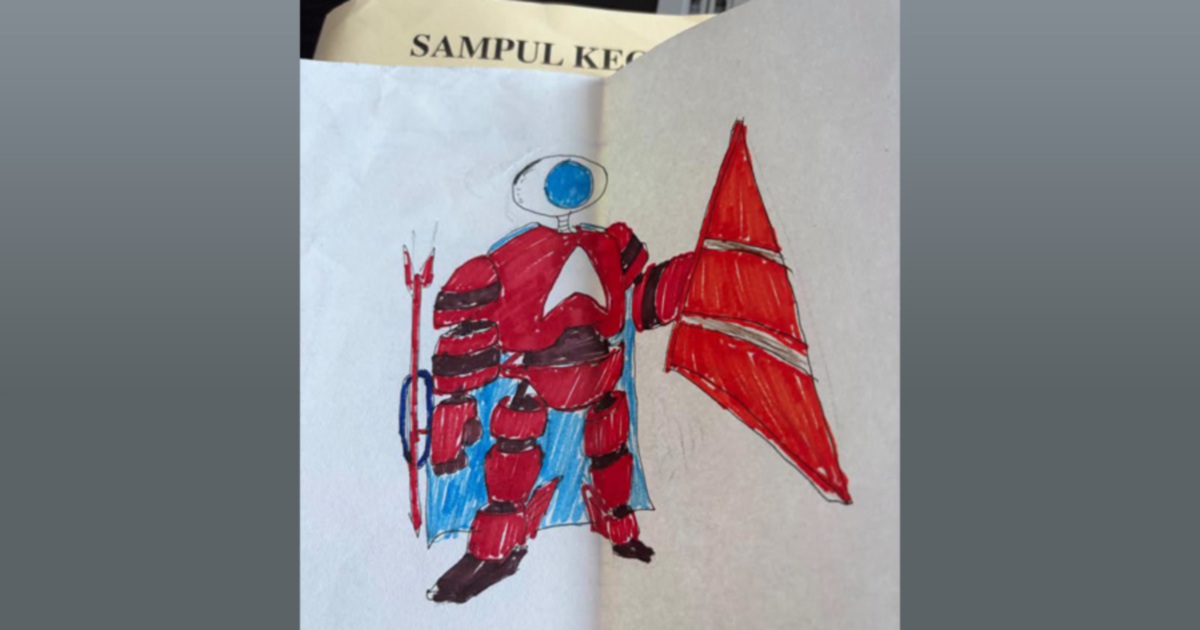
Prime Minister Datuk Seri Anwar Ibrahim has found profound personal meaning in a simple artwork—a drawing presented to him by a child with special needs during a recent Temu Anwar grassroots engagement programme held in Negri Sembilan. The gesture, offered during the direct interaction session between the premier and community members, has transformed into a cherished memento that the Prime Minister now treasures, offering a poignant reminder of the human connections that lie at the heart of public service.
The Temu Anwar programme represents a cornerstone initiative in Anwar's political outreach strategy, designed to bring government leaders into direct dialogue with ordinary Malaysians across the nation. These town-hall style gatherings have become increasingly significant as a platform for addressing citizen concerns, fielding questions, and demonstrating the administration's commitment to accessibility and transparency. The Negri Sembilan session, like others before it, provided a forum for residents to interact with senior government figures and raise matters of personal or collective importance to their communities.
What distinguishes this particular encounter is how it illuminates the often-overlooked reality of special needs communities in Malaysia's social landscape. Children with special needs and their families frequently experience barriers—both physical and social—in accessing public spaces and engaging with decision-makers. The fact that this child felt comfortable enough to present artwork at a high-level government event suggests that such initiatives, despite their primary policy objectives, create valuable incidental benefits by fostering inclusion and demonstrating that all citizens have a voice in the national conversation.
Anwar's decision to preserve and publicly acknowledge the drawing sends a symbolic message about how his administration values diverse participation in governance. By visibly treasuring this gift, the Prime Minister elevates the contribution of someone whose voice might otherwise go unheard, reinforcing the principle that leadership encompasses listening to citizens from every demographic segment, regardless of ability status. This gesture carries particular significance in a society where disability representation in public discourse remains limited and where families managing special needs often feel marginalised by institutions.
The preservation of the drawing also reflects broader international trends in public service engagement, where leaders increasingly recognise the value of human-centred governance. Rather than viewing such interactions as mere ceremonial obligations, forward-thinking administrations treat them as opportunities to build emotional connections with constituents and understand grassroots perspectives that might not surface through conventional bureaucratic channels. The genuine appreciation for a child's artistic expression demonstrates an understanding that leadership is ultimately about people, not merely policies.
For families and advocates in Malaysia's special needs community, such moments carry amplified significance. They represent acknowledgment that children with special needs possess inherent worth and capacity to contribute meaningfully to social interactions. In a country where inclusive education and social integration remain works in progress, visible representation matters enormously—it challenges stereotypes and normalises the participation of people with disabilities in civic life. When a child's artwork is treasured by the nation's leader, it sends a message that their creativity and personhood are valued equally.
The Temu Anwar programme itself has proven instrumental in shaping perceptions of government accessibility in Malaysia. By conducting these events across different states and constituencies, the administration creates opportunities for direct engagement that transcend typical media representation. Citizens encounter their leaders not as distant figures but as approachable individuals willing to listen and engage. For special needs communities specifically, such direct access can be transformative—it demonstrates that government is not an abstract institution but rather a human enterprise responsive to genuine citizen input.
This incident also highlights the often understated role of public events as spaces for spontaneous human connection and mutual recognition. While policy announcements and legislative decisions form the backbone of governance, these quieter moments—where a child presents artwork and a leader receives it with genuine appreciation—shape public perception and trust in ways that carefully crafted speeches cannot replicate. Such authenticity becomes increasingly valuable in an era where citizens express skepticism toward traditional political messaging.
The story further underscores how Malaysia's diverse population, including those with special needs, contributes to the nation's social fabric in ways that deserve recognition and celebration. By treasuring the child's drawing, Anwar acknowledges not just an individual gesture but a broader truth: that inclusion strengthens society by ensuring all citizens feel valued and invested in national progress. As Malaysia continues navigating challenges related to inclusive education, employment opportunities for people with disabilities, and broader social acceptance, leaders who visibly champion such inclusion create cultural shifts that ripple through institutions and communities.

