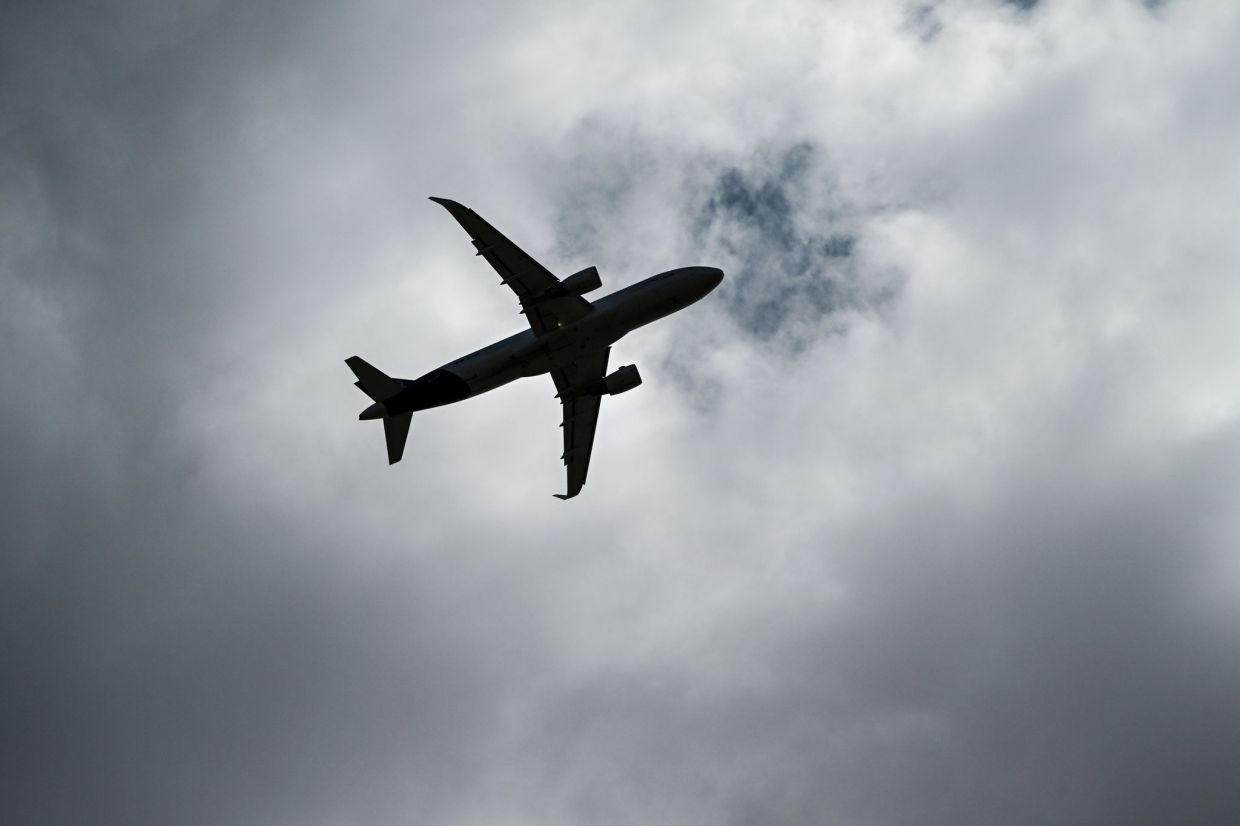
A Swiss International Air Lines aircraft carrying 206 passengers was forced to abandon its trans-Atlantic crossing and land in Dublin on Wednesday following a fire caused by a malfunctioning power bank. The flight, operated as a subsidiary of the Lufthansa Group, had departed from Zurich heading towards Boston when the device ignited in the cabin, prompting the crew to declare a priority landing situation and divert to the Irish capital. While the airline characterised the event as a priority landing rather than a full emergency declaration, the incident underscores growing concerns about the safe transportation of lithium-ion battery-powered consumer electronics aboard commercial aircraft.
This occurrence represents the second such incident involving electronic devices on Lufthansa Group flights within a fourteen-day period, raising questions about passenger awareness and compliance with aviation safety regulations. The previous incident occurred in July when a Swiss flight operating the Zurich to New York route experienced smoke in the cabin caused by a charging case for wireless headphones. That device had become dislodged from a passenger's possession, fallen between the seats, and sustained damage in that confined space, ultimately triggering the fire hazard. The proximity of these two events has prompted renewed scrutiny of how passengers handle and store power-hungry portable electronics during flight.
Responding to these safety concerns, Lufthansa Group has clarified its policy on portable power banks and related devices, which came into effect at the beginning of 2026. Under these regulations, passengers travelling on any airline within the Lufthansa Group—which includes Swiss International Air Lines, Lufthansa mainline, and other affiliated carriers—are prohibited from using power banks or charging them whilst airborne. The airline permits each traveller to carry a maximum of two power banks in their carry-on baggage, though the devices are explicitly forbidden from being stored in checked luggage or in overhead compartments.
The specific storage requirements imposed by Lufthansa Group reflect international aviation safety best practices. Power banks must be kept either in a passenger's seat pocket, on their person, or in carry-on luggage positioned beneath the seat in front of them. This approach minimises the risk of the devices becoming trapped or damaged in inaccessible locations where a fire could develop undetected. The airline has emphasised that checked baggage and overhead compartments lack the environmental controls and monitoring necessary to safely contain a lithium-ion battery fire, making these locations particularly hazardous for such devices.
Capacity thresholds add another layer of complexity to the regulations. Power banks with energy ratings between 100 watt-hours and 160 watt-hours require advance approval from the airline before they may be transported. This middle range presents particular regulatory challenges internationally, as different aviation authorities have adopted varying standards for what constitutes an acceptable capacity threshold. Devices within this band are substantially more powerful than basic models but fall short of the maximum limits permitted by some jurisdictions, creating a category that demands explicit authorisation. Medical-grade devices that meet approved specifications are exempt from these restrictions, recognising the critical needs of passengers dependent on portable powered equipment for health reasons.
The regulations also extend beyond power banks to encompass other lithium-ion battery-powered devices that pose similar fire risks. Electronic cigarettes, which contain similar battery technology and have been involved in previous aviation incidents globally, are subject to identical restrictions. Passengers may not use or charge e-cigarettes on board, and the devices must be stored in the same approved locations as power banks. This blanket approach to lithium-ion devices reflects the fundamental commonality of the fire risk across all such electronics.
Lufthansa Group notes that its policies align with recommendations from multiple international aviation authorities, including relevant regulatory bodies across Europe and North America. These guidelines have been developed in response to documented cases of lithium-ion battery fires in aircraft cabins, some of which have created serious safety situations. The restrictions represent a consensus view among aviation safety experts that the risks associated with these devices warrant proactive preventive measures rather than reactive incident management.
The diversion of the Swiss flight to Dublin required the 206 passengers to be accommodated in hotels whilst the airline arranged alternative onward transportation to Boston. This disruption, whilst inconvenient, represents an outcome where the crew's decision-making and airport emergency procedures functioned as intended. The priority landing system allowed the aircraft to descend and touch down safely without escalating the situation into a more severe emergency. However, such diversions impose substantial costs on airlines, passengers, and the aviation system, reinforcing the importance of preventive measures.
For Malaysian travellers, understanding the specific regulations of one's chosen airline represents a critical pre-departure responsibility. Malaysian passengers frequently travel internationally through long-haul routes, whether connecting through Middle Eastern hubs to Europe or embarking on direct flights to the United States and United Kingdom. The Lufthansa Group operates extensive services across these routes, and compliance with its power bank regulations has become mandatory for any passenger choosing to fly with these carriers. Failure to follow guidelines can result not only in having devices confiscated at check-in but also in serious safety risks if non-compliant storage leads to fire incidents.
The broader implications extend beyond individual airline policies to reflect evolving standards across the aviation industry. As passengers increasingly depend on multiple electronic devices—smartphones, tablets, portable speakers, and power banks—the challenge of safely accommodating these items during flight grows more complex. Airlines must balance passenger convenience against safety imperatives, and international coordination remains essential to ensure consistent standards. For Southeast Asian travellers, whose region encompasses major aviation hubs serving millions of annual passengers, understanding and adhering to these regulations protects both personal safety and the travelling public more broadly.
Travellers planning air journeys through European carriers are advised to consult detailed baggage and onboard item policies well before departure, not merely assuming that devices permitted by one airline will be acceptable to another. The two incidents within fourteen days involving Lufthansa Group flights demonstrate that these are not merely theoretical regulations but rules enforced because documented risks exist. By packing deliberately, storing devices appropriately, and respecting airline guidance, passengers can contribute meaningfully to maintaining the safety record that commercial aviation has achieved through rigorous operational discipline and continuous refinement of safety protocols.

