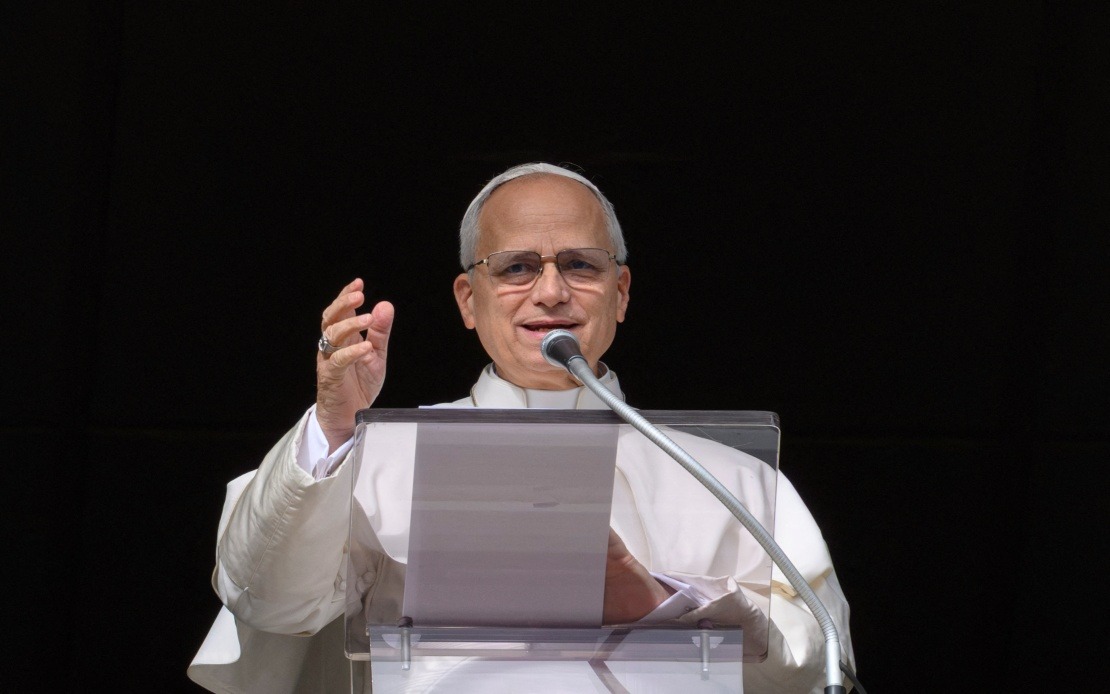
Pope Leo XIV has issued a significant caution about the dangers of treating artificial intelligence as a morally detached technology, stating instead that AI systems inherently carry embedded values and perspectives. Speaking through social media on Thursday, the pontiff argued that the widespread assumption of AI neutrality fundamentally misunderstands how such systems are constructed and deployed throughout society. His intervention addresses a critical gap in contemporary AI discourse, particularly relevant to Southeast Asian nations increasingly adopting these technologies across government, commerce, and public services.
The Pope's core argument challenges a pervasive myth in technology circles: that algorithms and artificial intelligence operate in a value-free domain. Rather, he contends that every AI system necessarily reflects the design choices, priorities, and classifications of those who create it. These embedded choices inevitably represent specific visions about how humanity and society should function. For Malaysia and the region, this observation carries particular weight as governments and corporations expand AI deployment in areas ranging from criminal justice and healthcare to financial services and social welfare distribution. The question of whose values are being encoded into these systems becomes increasingly urgent as adoption accelerates.
The pontiff emphasized that ethical scrutiny of artificial intelligence cannot remain confined to examining how systems are ultimately used or what decisions they produce. Instead, he argued for a comprehensive analytical framework that traces responsibility backward through the entire value chain. This includes rigorous examination of the underlying datasets that train AI models, since these datasets themselves encode historical biases, cultural assumptions, and power imbalances. In the Southeast Asian context, where many countries rely on imported AI systems or datasets developed in Western institutions, understanding these embedded value systems becomes essential for protecting local interests and ensuring technology serves regional priorities.
A fundamental principle underlining the Pope's position is that artificial intelligence, if it is to genuinely respect human dignity and advance the common good, demands transparent accountability. This accountability must span from initial conception and design through development, deployment, and ongoing operation. The pontiff stressed that responsibility must be unambiguously assigned at each juncture of this process. For Malaysia, this framework suggests that adopting AI technology cannot be a passive exercise of simply importing foreign solutions, but requires active governance mechanisms that ensure local accountability and oversight.
Crucially, the Pope identified the need for clear designation of which parties bear responsibility for decisions made or influenced by artificial intelligence systems. This extends beyond developers to encompass users and organizations that depend on AI for consequential determinations affecting people's lives. He emphasized the importance of establishing who must justify these decisions when questioned, who must monitor their impacts, and who possesses authority to challenge them when they produce unjust outcomes. Malaysian policymakers grappling with AI governance will find this framework particularly relevant, as it addresses a gap in current regulatory approaches that often focus narrowly on data protection rather than the broader question of accountability for AI-driven decisions.
The question of remedy is equally significant in the Pope's formulation. Beyond identifying responsibility and monitoring, there must exist clear mechanisms for addressing harm caused by AI systems. This suggests a model where those affected by adverse decisions have genuine recourse, with those responsible having obligations to correct errors and provide remediation. In practical terms for Malaysia, this might mean establishing independent review bodies, appeals processes, and compensation frameworks for individuals harmed by AI-driven decisions in government services or regulated industries.
The pontiff's intervention reflects growing international concern about AI governance gaps. Multiple countries, including those in Southeast Asia, are developing regulatory frameworks, yet many rely on principles rather than enforceable mechanisms. The Pope's emphasis on tracing responsibility through the entire lifecycle of AI systems suggests that effective governance requires more than technical standards or transparency reports. It demands institutional structures capable of investigating failures, identifying accountable parties, and implementing corrective measures.
For Southeast Asian nations, the Pope's warning arrives at a critical moment. Regional governments are rapidly expanding AI adoption without fully establishing the accountability infrastructure he describes. Malaysia's National Digital Economy Blueprint and similar initiatives across the region emphasize technological advancement but require complementary governance frameworks ensuring that advancement serves human dignity rather than undermining it. The papal intervention provides moral and philosophical grounding for governance advocates pushing for more comprehensive oversight mechanisms.
The broader implication of the Pope's position is that AI governance cannot be divorced from fundamental questions about society, culture, and values. When foreign-developed AI systems are deployed in Malaysian contexts, they potentially impose external value systems on local populations. The Pope's framework suggests that transparent examination of these embedded values, combined with clear accountability structures, becomes essential for ensuring AI serves regional communities rather than exploiting them.
Implementing the Pope's principles would require Malaysian policymakers to move beyond current approaches focused primarily on data protection and algorithmic transparency. Instead, governance frameworks would need to address the philosophical and cultural assumptions embedded in AI systems, establish clear responsibility chains, and create enforceable mechanisms for oversight and remedy. This represents a significant but necessary evolution in how the region approaches artificial intelligence adoption, ensuring these powerful technologies genuinely respect human dignity and serve the common good rather than simply concentrating power in the hands of those who design and deploy them.

