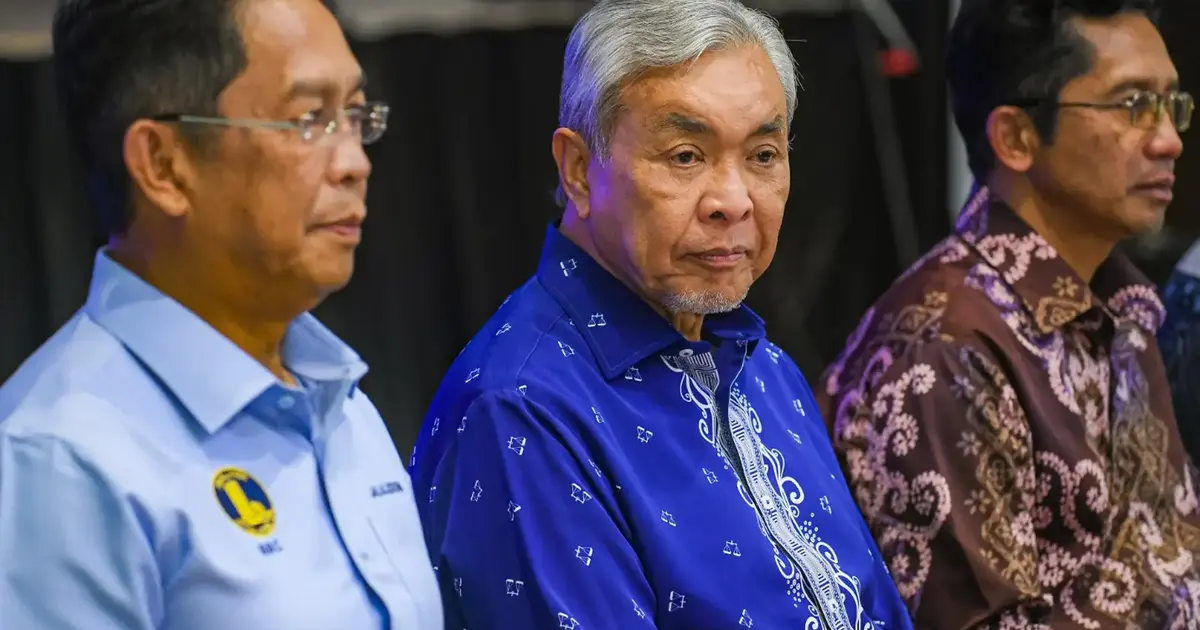
Barisan Nasional chairman Datuk Seri Zahid Hamidi has urged authorities to conduct a thorough investigation into allegations of vote-buying in Negeri Sembilan, signalling the coalition's commitment to maintaining electoral integrity ahead of potential political shifts in the state. The announcement comes as the political landscape remains fluid across Malaysia's central region, where control of state government continues to hinge on fragile coalition arrangements and shifting allegiances among lawmakers.
Zahid's call for a probe underscores growing concerns within BN about irregular electoral practices that could undermine the democratic process and compromise the legitimacy of political mandates. The Umno-led coalition has positioned itself as a guardian of fair elections, particularly as it seeks to consolidate its standing in states where it faces stiff competition from opposition parties and internal political jostling.
The BN chairman confirmed that formal police reports have already been submitted to law enforcement, according to his statement. These reports are not merely procedural filings but come accompanied by substantial documentation that enforcement authorities can act upon. The submission represents a deliberate escalation from informal complaints to official channels, suggesting that the coalition has gathered sufficient preliminary evidence to warrant formal investigation.
Crucially, the police reports have been bolstered by witness statements from individuals purporting to have direct knowledge of vote-buying activities. In electoral fraud investigations, witness testimonies frequently prove critical to establishing chains of evidence and identifying the individuals or organisations involved in illegal practices. Such statements provide investigators with leads to pursue and help corroborate documentary evidence or circumstantial indicators of misconduct.
The submission also includes additional evidence compiled by BN operatives, though the specific nature of this material remains undisclosed. This could encompass financial records, communications, video footage, or other documentation that party officials believe demonstrates vote-buying transactions. The deliberate reference to evidence suggests BN believes it has moved beyond speculation into territory that demands official scrutiny.
Vote-buying remains one of the most pernicious challenges to electoral credibility in Malaysia and across Southeast Asia. The practice directly commodifies citizens' fundamental political rights and privileges those with financial resources to sway voters through cash or material inducements. By operating at the grassroots level, vote-buying schemes often evade detection while corroding public confidence in whether electoral outcomes genuinely reflect voter preferences or merely reflect the resources candidates can mobilise.
Negeri Sembilan has experienced considerable political turbulence in recent years, with shifts in state administration reflecting broader patterns of political realignment across the country. The state remains strategically significant for both BN and opposition coalitions, making electoral integrity particularly contested. Allegations of improper practices in the state thus carry implications extending beyond local politics to national-level factional competitions and the struggle for legislative majority.
Zahid's public pronouncement about the investigation signals that BN intends to pursue the matter aggressively through formal channels rather than allowing allegations to languish in rumour. This approach serves dual purposes: it demonstrates the coalition's commitment to clean elections while simultaneously putting opponents on notice that electoral misconduct will be challenged. For Malaysian voters increasingly concerned about election fairness, official investigation into such allegations may provide reassurance that authorities take electoral integrity seriously.
The move also reflects international pressure and domestic expectations around electoral standards. Malaysia's democratic institutions face scrutiny from civil society organisations, international observers, and political rivals over questions of impartiality and fairness. Formal investigation into credible allegations of vote-buying helps address concerns that authorities turn a blind eye to electoral misconduct, thereby strengthening claims that Malaysia's democratic processes remain robust.
Police will now need to pursue investigative leads systematically, examining the witness statements for consistency and credibility while analysing the documentary evidence for connections to vote-buying transactions. This process can take considerable time, particularly if investigation extends across multiple constituencies or involves numerous suspect individuals. The complexity of electoral fraud investigations typically requires coordination across police units and potentially liaison with the Elections Commission.
For the broader Malaysian electorate, these developments underscore ongoing vulnerabilities in the electoral system despite regulatory frameworks designed to prevent misconduct. Vote-buying investigations occasionally surface public debate about whether current penalties and enforcement mechanisms adequately deter potential offenders. Penalties for electoral fraud remain a contentious issue among lawmakers and civil society advocates who argue that existing consequences insufficiently counterbalance potential rewards of securing electoral advantage through improper means.
The investigation will likely influence political calculations in Negeri Sembilan and potentially beyond, as other state and federal political actors consider whether they face similar scrutiny. Zahid's willingness to lodge formal complaints suggests BN may be preparing ground for potential electoral contests in the state, positioning itself as the principled guardian of fair elections while raising the political cost of misconduct for opponents.
As the investigation unfolds, attention will focus on whether authorities can substantiate the allegations and identify responsible parties. The outcome could carry significant consequences for Negeri Sembilan politics and set precedents for how such matters are handled in other states.

