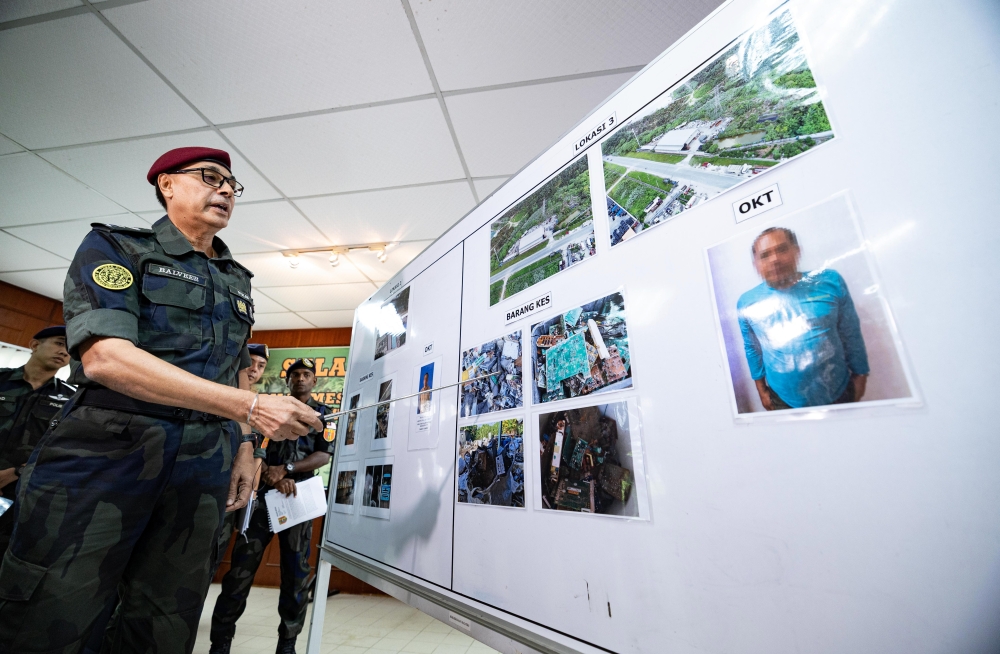
Authorities in Perak have struck a significant blow against illegal e-waste trafficking following a series of coordinated enforcement operations in Ipoh. The General Operations Force Northern Brigade successfully intercepted 120,220 kilogrammes of contraband electronic waste during the raids, with the seized materials valued at RM9.39 million. The operation culminated in the detention of 14 individuals suspected of operating within the clandestine recycling and materials trafficking network.
E-waste represents one of Southeast Asia's most pressing environmental challenges, as the region grapples with an estimated 12.3 million tonnes of discarded electronics annually. Malaysia's geographic position and established port infrastructure have made it an attractive transit point for illegal e-waste shipments originating from developed nations seeking to circumvent stringent disposal regulations in their home countries. The Ipoh seizure underscores the scale of operations that have become entrenched along established trafficking routes, with organised syndicates coordinating movements across state and international borders.
The confiscated materials reportedly comprised computer components, circuit boards, cable assemblies, and other processing-stage electronic equipment commonly destined for illegal informal recycling operations. These clandestine facilities typically operate without environmental safeguards, exposing workers and surrounding communities to hazardous substances including lead, mercury, and cadmium. The economic incentive driving these networks remains substantial—legitimate recycling infrastructure requires significant capital investment and compliance with rigorous environmental standards, whereas illicit operations sidestep these costs entirely.
The timing of the Ipoh enforcement action reflects escalating attention from Malaysian law enforcement toward the growing sophistication of transnational waste smuggling networks. Intelligence gathering has increasingly revealed connections between port officials, logistics intermediaries, and receiving facilities, suggesting a coordinated supply chain rather than isolated criminal incidents. The GOF's Northern Brigade operations represent a coordinated approach incorporating surveillance, port inspections, and facility raids targeting multiple nodes simultaneously.
From a regulatory perspective, Malaysia's alignment with international frameworks including the Basel Convention—which governs hazardous waste transboundary movements—has strengthened enforcement capabilities and provided legal grounds for aggressive interdiction. However, enforcement resources remain constrained relative to traffic volumes, with Malaysian ports processing millions of container shipments annually. The disparity between detection capacity and actual smuggling volumes suggests substantially larger quantities transit undetected, particularly through less heavily monitored locations.
The arrested individuals face potential charges under Malaysia's Environmental Quality Act and related statutes addressing illegal waste management and trafficking. Penalties for e-waste trafficking offences have been progressively strengthened, with recent convictions resulting in substantial custodial sentences and fines exceeding RM1 million. These enhanced penalties reflect policy recognition that conventional enforcement approaches have proven insufficient against increasingly organised criminal networks.
The health implications of unregulated e-waste processing extend beyond immediate worker exposure. Informal recycling operations discharge toxic leachates into groundwater systems, contaminating drinking water supplies across affected regions. Children in communities near illegal processing facilities exhibit elevated heavy metal concentrations in blood tests, with documented cognitive and developmental consequences. These public health externalities disproportionately burden lower-income populations with minimal capacity for remediation or relocation.
The economic dimension of e-waste trafficking merits consideration within broader patterns of resource extraction from developing nations. Discarded electronics contain recoverable precious metals—gold, silver, copper—whose extraction value exceeds raw material costs in legitimate operations by substantial margins. This value differential incentivises illegal networks to source materials regardless of environmental or social costs, creating persistent profitability even amid enforcement pressure.
Malaysia's response must encompass both supply-side interdiction and demand-side interventions targeting the informal recycling sector. Capacity building for legitimate recyclers, technology transfer supporting environmentally compliant processing, and economic incentives for formal sector participation represent longer-term mitigation strategies. Regional cooperation through ASEAN frameworks has begun standardising enforcement protocols and intelligence sharing, though political constraints and inconsistent implementation capacity continue limiting effectiveness.
The Ipoh seizure, whilst substantial, constitutes one operation within a persistent trafficking ecosystem. Sustainable progress requires sustained investment in port monitoring infrastructure, intelligence capabilities, and coordinated international enforcement. Without addressing the fundamental economic incentives driving smuggling networks and the weak institutional capacity of origin nations to enforce export restrictions, similar operations will remain cyclical responses rather than fundamental solutions to the regional e-waste crisis.

