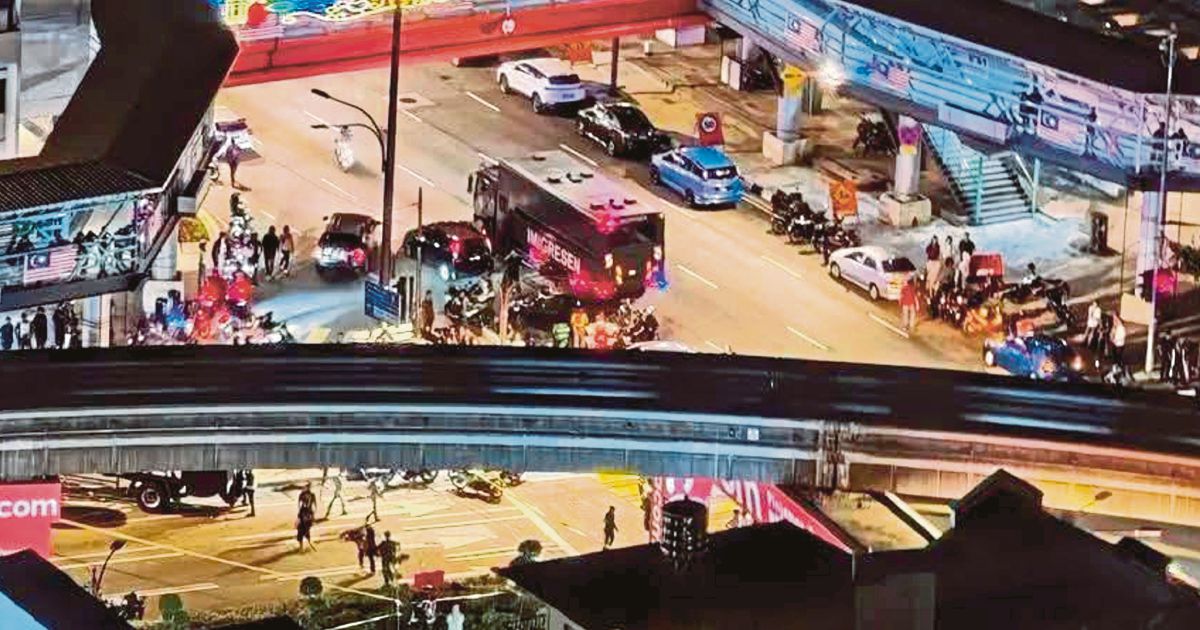
Police investigators in Kuala Lumpur are methodically combing through video surveillance from multiple sources as they seek to establish the exact circumstances behind a tragic motor accident on Jalan Sultan Ismail that claimed the lives of three people early yesterday. The victims—a father and his two daughters—were killed when their vehicle was struck by a lorry operated by the Immigration Department, making this incident a significant development in traffic safety concerns affecting the country's capital.
The decision to examine dashcam footage alongside recordings from fixed CCTV cameras reflects standard investigative protocol for fatal accidents. Such multi-angle video evidence typically provides crucial details about vehicle speeds, traffic light compliance, driver behaviour in the seconds before impact, and the exact positioning of both vehicles at the moment of collision. These technical details are essential for determining liability and may inform whether charges will be pursued against the truck driver or other parties involved.
Jalan Sultan Ismail, a major thoroughfare running through Kuala Lumpur's central business district, experiences considerable traffic congestion during peak hours. The accident occurring early in the day raises questions about visibility, road conditions, and driver fatigue—factors that investigators will need to assess once they have reviewed the complete video record. The busy nature of this arterial road means multiple private dashcams from nearby vehicles may have recorded the incident, potentially providing additional perspectives beyond official CCTV systems.
The involvement of an Immigration Department vehicle adds complexity to the investigation, as it may involve questions about whether the driver was engaged in official duties, the maintenance standards of the vehicle, and departmental driving protocols. Heavy vehicles operated by government agencies are subject to specific regulations regarding driver training, vehicle inspection, and safety procedures. Any deficiencies in these areas could become relevant to the investigation's conclusions.
Fatalities involving heavy vehicles in urban areas across Southeast Asia have become an increasing concern for traffic authorities and safety advocates. Malaysia has seen recurring incidents where lorries and large trucks collide with passenger vehicles, often with catastrophic results. The structural disparity between a heavy commercial vehicle and a standard car means occupants of the smaller vehicle bear disproportionate risk in such collisions, a factor that has prompted ongoing debates about enforcement of speed limits and licensing requirements for heavy vehicle operators.
The timing of the incident—early morning hours—may be significant for the investigation. Traffic volumes are typically lower at such times, which could indicate either favourable conditions for accident avoidance or alternatively suggest that the driver may have been operating the vehicle beyond safe speed limits on a less congested road. Investigators will be looking at dashcam timestamps to establish exactly when the collision occurred and what traffic conditions prevailed.
Video evidence has become increasingly important in Malaysian traffic investigations following the widespread adoption of dashcams in private vehicles and the expansion of CCTV coverage in urban areas. The footage can definitively establish sequences of events, speed indicators based on visual assessment, and driver actions that might not be apparent from physical evidence alone. Police forensic teams will cross-reference multiple video sources to create a comprehensive timeline of the incident.
The loss of three family members in a single incident represents a profound tragedy with ripples extending through the wider community. Such accidents often spark renewed public discussion about road safety, the adequacy of enforcement of traffic laws, and whether current penalties for reckless driving adequately deter dangerous behaviour. In the context of government vehicle operations, the incident may also prompt departmental reviews of driver standards and vehicle maintenance protocols.
Investigators face the additional challenge of determining whether mechanical failure, driver error, medical event, or a combination of factors contributed to the collision. Video footage can illuminate driver actions and vehicle trajectory but cannot conclusively prove internal medical events or equipment failure without correlation with other evidence types such as vehicle inspection reports and medical examination findings.
The police investigation will likely result in a detailed report that could carry implications beyond the immediate legal proceedings. If systemic issues are identified—such as inadequate driver training standards for heavy vehicle operators or deficiencies in vehicle maintenance—such findings could inform recommendations for regulatory amendments at the Transport Ministry level. Malaysian road safety data has consistently highlighted heavy vehicles as disproportionately involved in fatal accidents, making each such incident an opportunity for the authorities to reinforce safety messaging to commercial operators and the driving public.
As the examination of video evidence continues, the investigation represents a critical moment for establishing clear accountability and identifying any preventive measures that could reduce the risk of similar tragedies. The conclusions drawn from this case may influence not only the immediate legal consequences for those involved but also broader policy discussions about ensuring safer operations of heavy commercial vehicles in Malaysia's increasingly congested urban centres.

