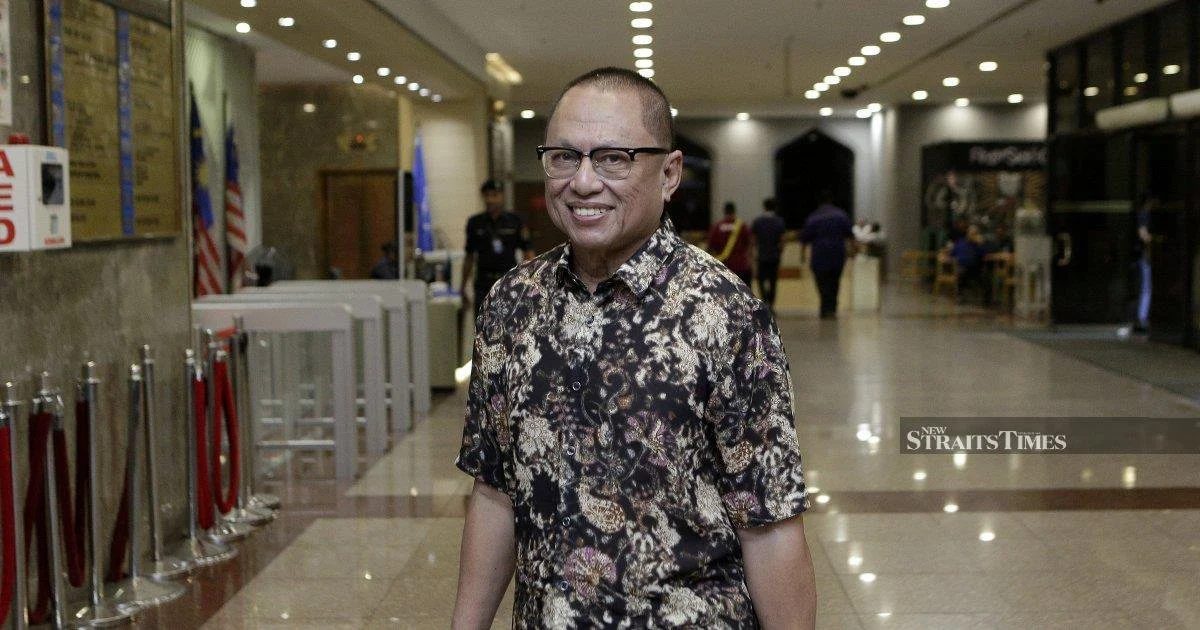
Authorities have opened a criminal investigation into comments attributed to former Umno figure Datuk Dr Mohd Puad Zarkashi following a surge of complaints from members of the public. The police action came after 153 formal police reports were submitted at stations throughout the country, with all submissions received on the same day, indicating a coordinated response from concerned citizens across Malaysia's various states.
The alleged statements in question centre on comments commonly referred to as "3R" remarks, which appear to have triggered significant public concern and prompted the coordinated filing of police reports. The exact nature and context of these remarks remain subjects of broader public discussion, with various groups interpreting their meaning and implications differently. The sheer volume of reports filed simultaneously suggests that the statements struck a chord with a substantial cross-section of Malaysians who felt compelled to seek police intervention.
Puad Zarkashi, who has long been a prominent voice within Umno circles and Malaysian politics more broadly, made the controversial posts on his social media accounts. His standing as a former party veteran with considerable influence means his public utterances typically garner significant attention from both supporters and critics within the political spectrum. The decision by members of the public to lodge police reports against the respected party figure underscores the intensity of feelings his comments have generated among certain segments of society.
The investigation represents a significant moment in Malaysian public discourse, where the boundaries of acceptable speech and political commentary continue to be tested and debated. Police involvement in cases stemming from social media statements has become increasingly common in recent years as Malaysia grapples with questions about free expression, responsibility in public communication, and potential harm caused by inflammatory rhetoric. The initiation of a formal probe signals that authorities view the matter with sufficient seriousness to warrant official scrutiny.
The coordinated nature of the 153 reports suggests organizational effort behind the complaint campaign, whether through grassroots mobilization or structured coordination by groups with shared concerns about the content. Such unified action is relatively uncommon in Malaysia's police complaint landscape and indicates that the comments struck at issues of deep importance to multiple communities. The geographic spread of complaints across different states demonstrates that the controversy transcends any single regional or demographic boundary.
For Umno, the incident presents a delicate political situation. The party must balance respect for its members and former leaders with acknowledgment of public concerns about potentially divisive statements. Puad Zarkashi's position as a respected figure within the party means the investigation will inevitably reflect on Umno's internal management of its senior members' public conduct. The party's response to these developments could influence perceptions of whether it holds its leadership to consistent standards of accountability.
The broader implications extend beyond the individual case. The investigation touches on fundamental questions about the role of social media in contemporary Malaysian politics, the responsibilities of established political figures in shaping public discourse, and the mechanisms through which citizens seek accountability. As Malaysia's political landscape continues to evolve, incidents like this will likely become more frequent, particularly as social media enables rapid dissemination of statements to vast audiences.
For observers of Malaysian politics, the case illustrates the increasingly complex relationship between free speech principles and community sensitivities. What constitutes acceptable political commentary remains contested territory, and investigations such as this one will gradually help define practical boundaries through police and judicial processes. The involvement of 153 separate complainants suggests that these boundaries are being actively tested by various stakeholders across Malaysian society.
The police investigation will likely take time to conclude, involving examination of the original posts, their wording and context, potential harm caused, and any legal provisions that may have been breached. Officers will need to determine whether the statements fall within protected political expression or cross into territory that violates existing laws. The precedent set by this investigation may influence how authorities approach similar future complaints involving public figures and social media commentary.
Regionally, Malaysia's handling of this case may be watched by neighbouring Southeast Asian democracies facing similar challenges in balancing free expression with community stability. The country has positioned itself as a developing democracy navigating the complexities of pluralism, and how it manages controversies involving prominent political figures on social media carries implications for its democratic credentials. The investigation will ultimately demonstrate how Malaysian institutions respond when societal consensus pushes for accountability from the politically connected.
For Puad Zarkashi personally, the investigation marks an unprecedented moment of official scrutiny into his public statements. Regardless of the investigation's outcome, the incident has already reshaped the conversation around his public role and influence. Many Malaysians will be watching how the process unfolds, with the conclusion potentially affecting his standing within Umno and his ability to influence future political discourse.
The case also highlights the power of organized public response in Malaysia's political system. The 153 reports demonstrate that when citizens perceive statements as sufficiently troubling, they possess mechanisms to seek official investigation and accountability. Whether this represents healthy democratic participation or coordinated action designed to silence particular voices remains a matter of interpretation, depending largely on one's views regarding the original statements and their implications.

