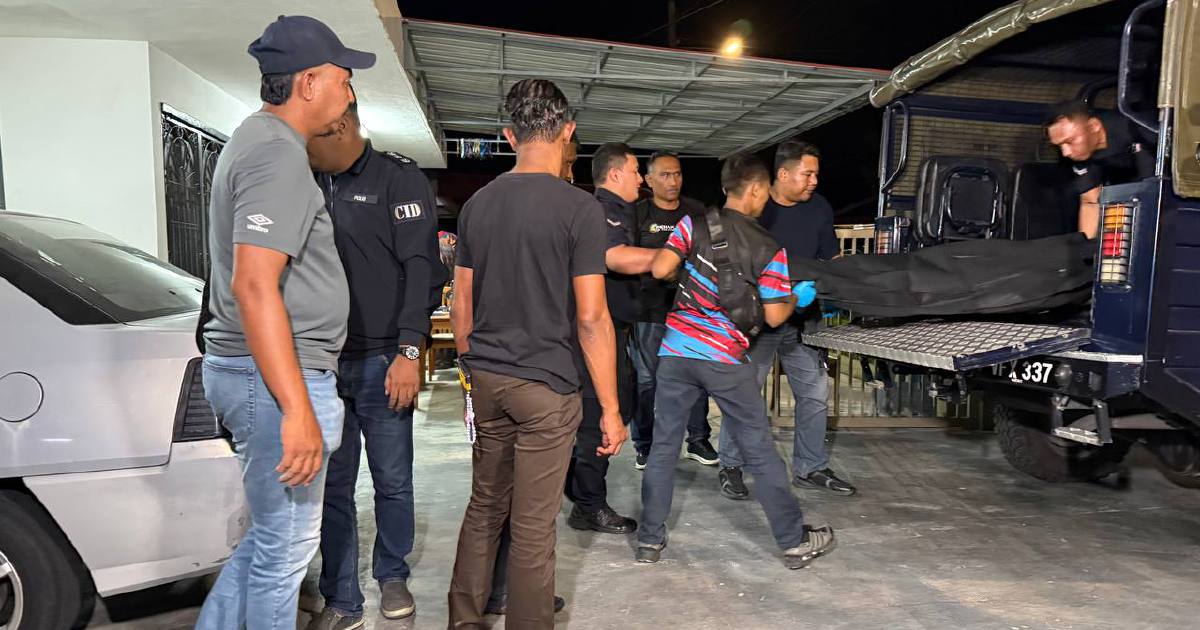
Police in Perak have opened a formal investigation following the death of a 54-year-old man at a care facility in Tanjung Rambutan. The incident, which occurred yesterday, has triggered official scrutiny into the circumstances that led to the resident's passing at the nursing home.
The decision to launch a full investigation indicates that authorities have identified elements requiring closer examination. While initial details remain sparse, the involvement of investigators suggests that the circumstances may extend beyond natural causes. Care facilities in Malaysia operate under strict regulatory oversight, and any death occurring under suspicious circumstances demands thorough police examination to establish facts and determine whether any criminal conduct occurred.
Tanjung Rambutan, located in Perak's capital Ipoh, is home to several residential care facilities serving elderly and vulnerable residents. The area has been a significant hub for health and social care services in the state for many years. Care homes play an essential role in Malaysia's social infrastructure, particularly as the population ages and more families require support with elderly care.
Investigations of this nature typically examine multiple factors, including the health status of the deceased, medical records, events immediately preceding death, and any witness statements from staff and other residents. Police will likely coordinate with medical professionals to determine the precise cause of death and establish a clear timeline of events. Such investigations are standard procedure when circumstances warrant deeper examination, regardless of initial assumptions.
The death highlights ongoing concerns about standards and safety protocols in Malaysia's care facility sector. While many homes maintain exemplary practices and provide compassionate care, isolated incidents have periodically raised public awareness about the importance of robust oversight mechanisms. Family members, authorities, and watchdog organisations all have roles to play in ensuring that vulnerable residents receive appropriate protection and monitoring.
For families with relatives in care facilities, such incidents understandably prompt reflection on placement decisions and the quality of care their loved ones receive. The investigation process itself serves an important function beyond determining facts—it demonstrates that authorities take seriously any questions about resident welfare and safety. This accountability helps maintain public confidence in the care sector and reinforces that facilities must maintain professional standards.
The nursing home sector in Malaysia comprises both government and private operators serving diverse populations with varying medical and social needs. Regulations governing staff qualifications, resident-to-caregiver ratios, medical protocols, and emergency procedures exist to protect vulnerable individuals. How facilities implement and adhere to these requirements can significantly affect resident safety and outcomes.
Police investigations into care facility deaths often involve coordination between multiple agencies, potentially including the Health Ministry, state health departments, and local authorities. This multi-agency approach helps ensure comprehensive examination and supports enforcement of regulations where breaches are identified. The investigation's outcome may trigger broader reviews of industry practices or lead to targeted improvements at the specific facility.
The case also reflects wider healthcare concerns in Malaysia related to managing vulnerable populations and ensuring adequate care standards across diverse facilities. As Malaysia's healthcare system continues evolving to meet an ageing population's needs, questions about long-term care quality, affordability, and accessibility remain pertinent to policymakers and families alike. The investigation underway in Tanjung Rambutan will contribute to the broader conversation about care standards and accountability.
For now, police have commenced their formal inquiry, and the results will determine what occurred and whether any legal or regulatory action is warranted. Families awaiting outcomes from such investigations often face an anxious period as evidence is gathered and examined. The thoroughness of police investigations in these circumstances provides essential clarity for grieving families and helps establish whether systemic improvements are necessary.
Residents and their families should remain assured that any credible concerns about care facility operations can be reported to authorities, who maintain responsibility for investigating and addressing potential misconduct or negligence. The investigation launched by Perak police demonstrates this accountability mechanism in action, ensuring that vulnerable residents' welfare remains prioritised within Malaysia's social care system.

