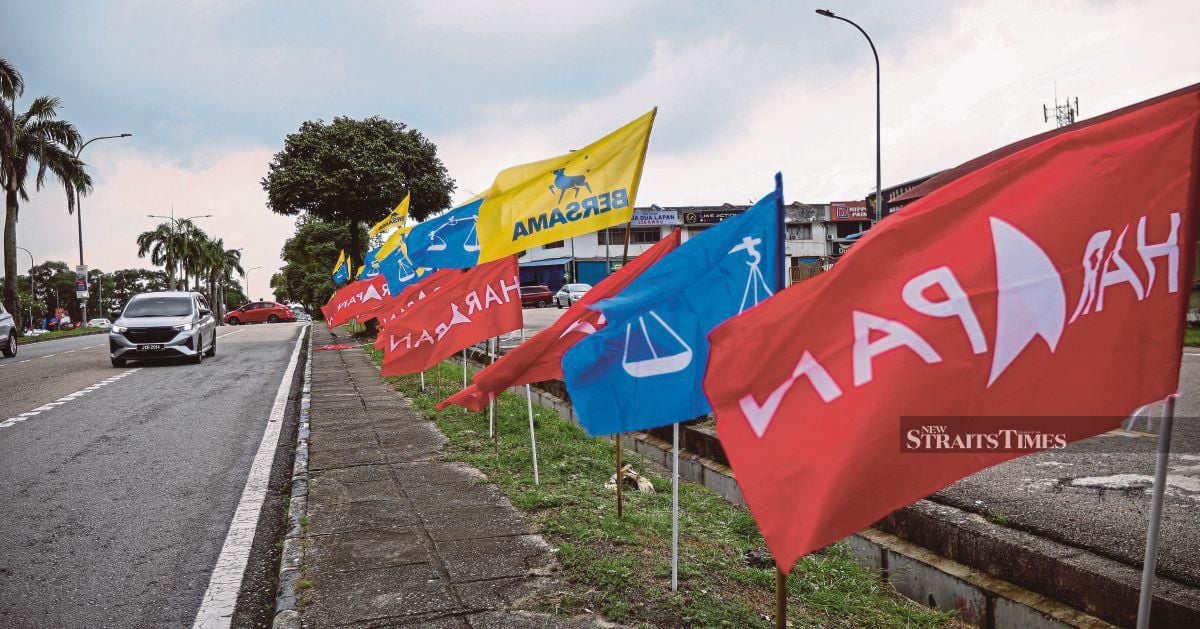
Police in Johor have begun formal investigations into allegations of election misconduct that emerged during the state's 16th electoral campaign, with law enforcement opening 18 probe papers based on 56 reports filed with authorities. The investigation period encompasses the entire campaign duration from July 27 through to the election date, reflecting attempts by authorities to enforce electoral laws during what is typically a high-stakes period for political activity in the southern state.
The opening of nearly one investigation file for every three reports suggests that police have applied a selective threshold in determining which allegations warrant formal inquiry. This filtering mechanism indicates that while public concern about election-related offences prompted substantial community reporting, many complaints may have lacked sufficient evidence or fell outside prosecutable categories. Such discretion in investigation selection is common in electoral enforcement, though it raises questions about consistency and transparency in how different allegations are assessed.
Johor's election carries particular significance within Malaysia's broader political landscape. As a traditionally strategic state with substantial economic influence and a competitive political environment, electoral violations here draw heightened scrutiny from both law enforcement and civil society observers. The nature and frequency of alleged breaches during campaign periods can signal the health of democratic practices and public confidence in the integrity of the voting process.
Election offences in Malaysia encompass a wide range of potential violations, from campaign finance irregularities and false statements to breach of polling day conduct rules and premature declarations of results. The specific types of allegations that triggered the 56 reports in this instance remain unclear from initial reporting, but such cases typically involve disputes over candidate conduct, party campaign methods, or alleged intimidation of voters. Each category presents distinct enforcement challenges and requires different investigative approaches.
The timeline of the campaign period is itself significant. From late July through the election date, campaigning intensity typically peaks, with greater candidate visibility, increased advertising activity, and higher levels of public political engagement. This compressed timeframe creates more opportunities for violations to occur and more instances for observers to detect and report potential breaches. The volume of reports suggests that monitoring mechanisms or community awareness regarding electoral standards were reasonably active during this period.
For Malaysian voters and political observers, the investigation process now underway carries implications for how electoral law is enforced and what consequences await those found to have violated regulations. The precedent set by these particular cases may influence behaviour in future state elections and influence public perception of whether enforcement is rigorous and impartial. Political parties and candidates will closely monitor outcomes to understand how strictly authorities interpret electoral rules.
The investigation stage represents only the beginning of any potential enforcement action. Police completion of probe papers must be followed by prosecution decisions from the Attorney-General's office or relevant electoral authorities before charges can be filed. This multi-stage process means that these 18 cases may take considerable time to reach resolution, with some potentially resulting in no further action if evidence proves insufficient for conviction.
Southeast Asian nations, including Malaysia, have increasingly focused on election integrity as democratic participation expands and political competition intensifies. Regional peer countries grapple with similar challenges regarding campaign conduct enforcement. How Malaysian authorities handle these Johor cases may influence regional approaches to election monitoring and enforcement, particularly among ASEAN neighbours considering strengthening their own electoral frameworks.
Transparency in the investigation and prosecution process will be crucial for public confidence. Civil society groups and opposition parties will likely scrutinise whether enforcement appears balanced across political divides or whether particular parties face disproportionate scrutiny. The eventual publication of case outcomes and the reasoning behind prosecutorial decisions can either reinforce or undermine public faith in electoral institutions.
The relatively high number of initial reports compared to formal investigations also underscores the challenge electoral authorities face in managing public expectations. Citizens increasingly report perceived violations, yet not all reports translate into prosecutable cases. Clearer communication about investigation standards and possible outcomes could help calibrate public understanding of what constitutes actionable electoral misconduct versus matters that fall outside legal parameters.
As investigations proceed, stakeholders across Malaysia's political spectrum will watch whether the cases reveal systemic issues within campaign practices or isolated incidents of misconduct. The findings could inform discussions about whether current electoral regulations adequately protect democratic standards or require revision. For Johor voters, the outcome signals whether their state's electoral framework effectively deters violations and upholds the principle that electoral competition should occur within clear legal boundaries.

