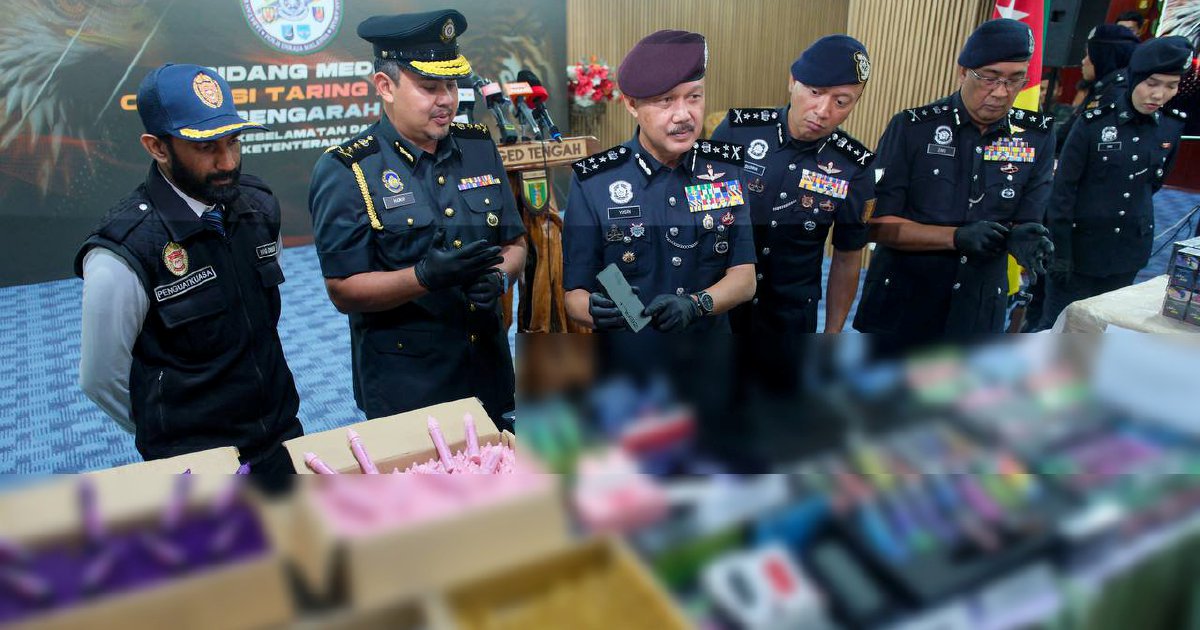
Malaysian law enforcement has struck a significant blow against organised smuggling networks operating in Selangor, recovering vape products and prohibited cigarettes valued at more than RM15.5 million during coordinated raids launched in the latter part of last month. The twin enforcement operations represent an escalating police crackdown on illicit tobacco and nicotine product trafficking, which has become increasingly lucrative for criminal syndicates seeking to exploit loose border controls and porous supply chains across the region.
The confiscated goods represent not merely lost revenue for black-market operators but underscore the scale at which contraband nicotine products have penetrated Malaysian distribution networks. Vape products and smuggled cigarettes have emerged as preferred targets for trafficking organisations because they command substantial markups in unregulated markets and attract a broad consumer base spanning both urban and rural areas. The monetary value of the seized items—exceeding RM15.5 million—reflects the substantial profit margins embedded in contraband trade and the commercial sophistication of networks orchestrating these operations.
Smuggling syndicates trafficking in tobacco and vaping products have adapted quickly to enforcement pressures, employing increasingly complex logistics chains that route contraband through multiple intermediaries and concealment methods. The coordination of two major raids suggests police intelligence units have made progress in mapping these networks and identifying critical nodes where large quantities accumulate before distribution to retail outlets and street-level vendors. Such intelligence-led operations require sustained investigative effort and inter-agency cooperation, highlighting the resource commitment Malaysian authorities are dedicating to disrupting this illicit trade.
The targeting of vape products alongside traditional cigarettes reflects broader patterns in Asia's smuggling landscape. Vaping merchandise has become a preferred commodity for traffickers because it occupies regulatory grey areas in many jurisdictions, can be transported compactly, and serves expanding consumer segments seeking alternatives to conventional smoking. The Malaysian government's restrictions on vape importation and sales have inadvertently created commercial incentives for smugglers, who exploit price differentials between licit and black markets to generate outsized profits.
These enforcement operations carry implications extending beyond immediate criminal disruption. Contraband tobacco and vape products typically evade excise taxation, representing forgone government revenue that could otherwise fund public health initiatives. Furthermore, unregulated smuggled goods bypass quality control and safety testing regimens, potentially exposing consumers to substandard or adulterated products. The extent of the illicit market also undermines legitimate businesses complying with regulatory frameworks and taxation requirements, creating competitive disadvantages for law-abiding enterprises.
The Selangor operations underscore persistent vulnerabilities within Malaysia's border security and port infrastructure that smugglers continue exploiting. As a major commercial and transit hub, Selangor experiences intense trafficking pressure from organised groups operating across the region. Criminal networks leverage Malaysia's geographic positioning and developed logistics infrastructure to distribute contraband across Southeast Asia, making the state a critical chokepoint for enforcement priorities.
Police success in these raids will likely prompt trafficking organisations to adjust their operational patterns—shifting routes, diversifying concealment methods, or fragmenting supply chains to reduce exposure to future interdiction. The cyclical nature of smuggling enforcement, whereby each crackdown generates adaptive criminal responses, suggests these operations represent tactical victories within an ongoing strategic struggle against deeply entrenched illicit trade networks.
Regional cooperation has become essential to addressing cross-border smuggling challenges effectively. Contraband often originates from source countries where production occurs largely outside regulatory oversight, transits through neighbouring territories, and enters Malaysian markets via established trafficking corridors. Unilateral enforcement, while valuable, achieves limited impact without coordinated efforts among customs agencies, intelligence services, and law enforcement across Southeast Asia.
The recovery of RM15.5 million in confiscated goods demonstrates authorities' growing investigative capacity to identify and intercept major shipments before they reach end consumers. However, the persistence of large-scale smuggling operations despite existing enforcement efforts suggests demand pressures, price differentials, and profit incentives continue driving supply. Addressing the underlying commercial dynamics fuelling illicit trade requires complementary strategies encompassing taxation policy review, alternative income opportunities for street-level distributors, and consumer awareness regarding health and safety risks associated with unregulated products.
Moving forward, Malaysian police enforcement initiatives must balance tactical interdiction with strategic approaches targeting trafficking organisers and financial networks sustaining these operations. Intelligence sharing with international partners, financial investigation targeting money laundering associated with smuggling proceeds, and supply-side interventions addressing production and export from source countries offer pathways toward more comprehensive disruption of these criminal enterprises.

