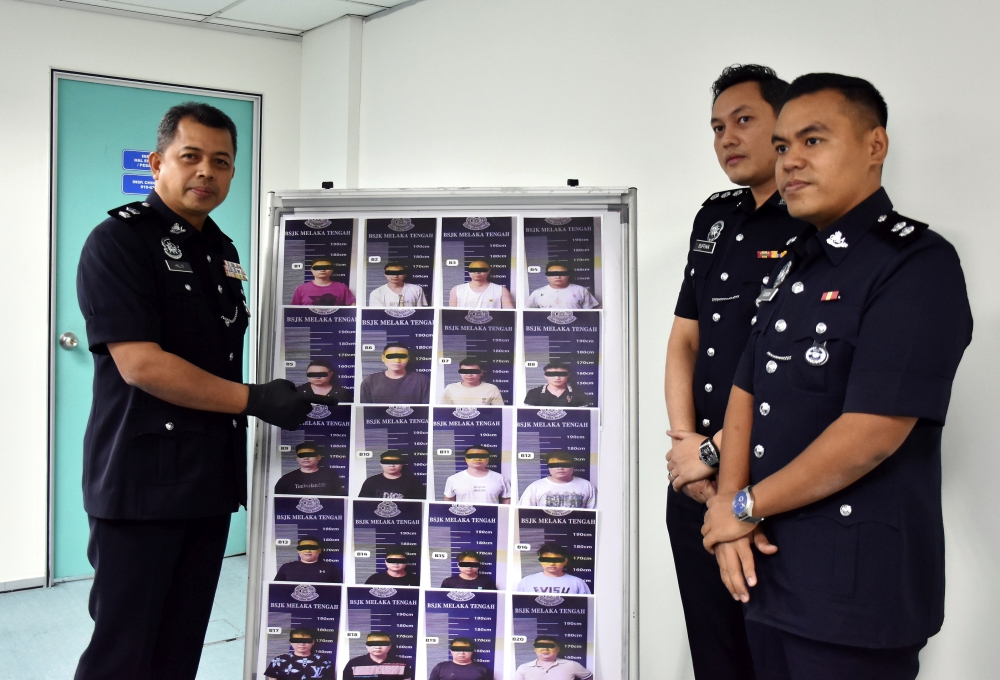
Police in Melaka have dismantled what investigators describe as a coordinated fraud operation targeting regional investors, resulting in the arrest of 21 Chinese nationals allegedly running the scheme. The enforcement action represents a significant crackdown on cross-border financial crime that has become increasingly prevalent throughout Southeast Asia, where organised syndicates exploit digital platforms and cryptocurrency to conduct illicit operations across multiple jurisdictions.
The suspects, detained during coordinated raids across several locations in Melaka, are accused of orchestrating an elaborate deception that promised investors lucrative returns through non-existent investment vehicles. Authorities have indicated the scheme primarily operated through online channels, utilising encrypted messaging applications and digital payment systems to maintain operational security and obscure the criminal network's command structure. This methodology reflects evolving tactics employed by transnational crime groups seeking to evade detection while maximising reach across Southeast Asian markets.
Investigators have recovered substantial evidence from the raided premises, including computer equipment, mobile devices, and financial documents that authorities believe detail the operational mechanisms and victim databases. The recovered materials are expected to provide crucial intelligence regarding the syndicate's financial flows, victim recruitment strategies, and potential connections to other organised criminal enterprises. Such documentary evidence has historically proven instrumental in establishing criminal liability and identifying additional suspects operating within broader networks.
The victims of this scheme span multiple countries within the region, with Malaysian residents representing a significant proportion of those defrauded. The investment promises typically offered returns substantially exceeding legitimate market rates, exploiting victims' financial aspirations and limited investment literacy. Many victims reportedly invested savings accumulated over years, with some losing entire retirement funds to the fraudsters, creating profound personal hardship and eroding public confidence in legitimate investment channels.
The cryptocurrency element of the operation allowed operators to facilitate rapid fund transfers while maintaining apparent anonymity, complicating victim recovery efforts and creating jurisdictional challenges for law enforcement. Digital currencies enabled the syndicate to consolidate victim payments into shared wallets before channelling funds across borders through convoluted transaction trails designed to obscure ownership and prevent asset recovery. These sophisticated money laundering techniques have increasingly become standard practice among organised crime groups operating across Southeast Asia, necessitating enhanced cooperation between regional financial intelligence units.
Malaysian police have launched a public appeal for additional victims to come forward and register their cases, acknowledging that identified losses represent only a portion of the scheme's total impact. Authorities recognise that many victims, particularly elderly individuals and those with limited financial literacy, may remain unaware they have been defrauded or may hesitate to report losses due to shame or distrust of law enforcement. Encouraging victim participation proves essential for establishing the operation's full scope and securing comprehensive prosecution evidence.
This enforcement action underscores the persistent challenge posed by transnational fraud syndicates establishing operational bases within Southeast Asia, often exploiting regulatory gaps and limited cross-border enforcement coordination. The presence of 21 Chinese nationals operating within Malaysia suggests deliberately structured operations where foreign personnel handle core criminal functions while recruiting local facilitators and money couriers. This outsourced model complicates investigations while distributing criminal liability across multiple jurisdictions.
The arrest comes amid growing international awareness of investment fraud targeting Southeast Asian populations specifically. Syndicates have deliberately targeted this demographic, recognising relatively high disposable incomes combined with lower awareness of sophisticated fraud techniques compared to developed markets. Marketing materials often leverage cultural references and language-specific messaging to establish credibility, frequently employing fake celebrity endorsements and fabricated success stories circulated through social media platforms.
Malaysian authorities have emphasised that legitimate investment opportunities rarely offer guaranteed returns exceeding standard market rates, particularly in commodity or cryptocurrency sectors. Regulatory bodies continue educating the public regarding red flags indicating investment fraud, including unsolicited investment proposals, pressure for rapid decision-making, and requests for upfront fees or deposits. Such awareness campaigns aim to reduce victim vulnerability while encouraging early reporting of suspicious investment solicitations.
The case reflects broader regional concerns regarding organised crime groups exploiting digitalisation and Southeast Asia's relatively nascent cryptocurrency regulatory frameworks. Malaysia, alongside other regional governments, continues developing enhanced legal mechanisms to combat investment fraud while strengthening cross-border cooperation with law enforcement agencies in China and other jurisdictions. Intelligence sharing agreements have become increasingly vital as criminal networks operate seamlessly across borders, necessitating coordinated investigative responses.
Prosecution of the arrested suspects faces potential complexities regarding extradition, witness cooperation, and establishing jurisdiction given the transnational nature of the offences. Malaysian authorities will pursue charges under relevant criminal statutes addressing fraud and money laundering, with sentences potentially exceeding a decade of imprisonment depending on conviction severity and victim financial loss calculations. The case is expected to proceed through court systems over an extended timeline as evidence is systematically compiled and verified.
Beyond immediate criminal proceedings, this operation highlights essential lessons for financial institutions and digital platforms regarding fraud detection protocols. Enhanced customer verification procedures, transaction monitoring systems, and rapid reporting mechanisms have proven effective in disrupting organised fraud networks before substantial harm accumulates. Collaborative engagement between private sector entities and law enforcement continues strengthening regional capabilities to identify and eliminate emerging criminal threats targeting investors across Southeast Asia.

