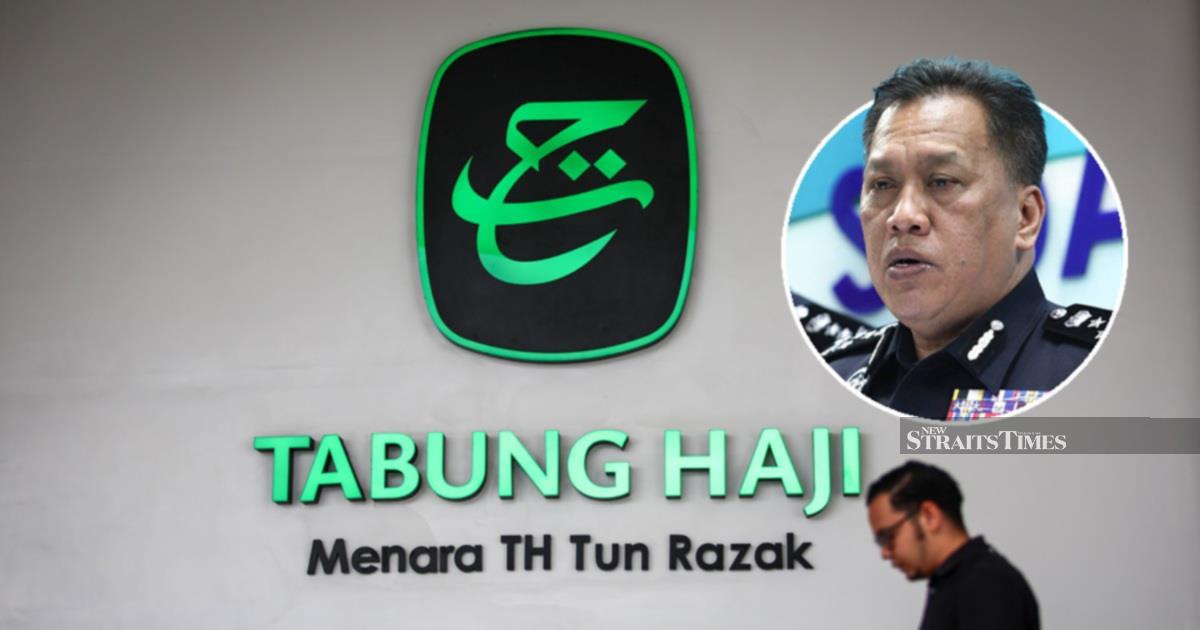
The Royal Commission of Inquiry into Lembaga Tabung Haji has prompted an extensive police investigation, with authorities now having recorded statements from 134 witnesses as they pursue allegations unveiled in the independent investigation. The inquiry marks a significant escalation in the scrutiny of Malaysia's pilgrimage fund management, with law enforcement systematically documenting accounts from an expanding network of individuals connected to the institution.
Among the 134 witnesses already interviewed, police recently called in an additional 10 people for questioning, indicating that the scope of the investigation continues to widen as detectives uncover new leads and connections. This approach suggests that investigators are methodically building a comprehensive factual foundation before determining whether criminal charges will be warranted. The involvement of such a large witness pool underscores the complexity of the allegations emerging from the RCI report, which examined governance, financial management, and investment practices at the pilgrimage fund.
Tabung Haji, formally known as Lembaga Tabung Haji, holds particular significance for Malaysian Muslims as the primary savings scheme through which citizens finance their hajj pilgrimage to Mecca. With accumulated assets managed on behalf of millions of Malaysian savers, any governance failures or mismanagement at the institution carry implications far beyond corporate accountability, touching upon the religious aspirations and lifetime savings of ordinary Malaysians. The RCI's findings, therefore, struck at the heart of public trust in an entity tasked with safeguarding funds of profound personal and spiritual importance.
The scale of the police investigation reflects the seriousness with which authorities are treating the RCI's conclusions. Recording statements from over 130 individuals requires substantial investigative resources and coordination, suggesting that police consider the allegations sufficiently credible to warrant a comprehensive, methodical inquiry. The continuing addition of new witnesses indicates that as detectives follow investigative threads, they discover additional individuals with relevant knowledge or involvement in the matters under examination.
Investigations of this nature typically focus on uncovering whether any individuals acted with criminal intent, misappropriated funds, or violated fiduciary duties owed to the institution and its members. The diversity of witness backgrounds—which likely includes former and current Tabung Haji management, board members, employees, financial advisors, and external parties—suggests that police are examining transactions, decision-making processes, and communications across multiple levels of the organisation. Such thorough documentation becomes essential should prosecutorial decisions follow.
For Malaysian investors and savers with funds in Tabung Haji, the ongoing investigation provides both reassurance and anxiety. The visible police response indicates official commitment to investigating wrongdoing, yet the breadth of the inquiry may also raise concerns about the depth of problems that authorities are uncovering. Many Malaysians depend on Tabung Haji for their hajj journey, and questions about fund management strike at core anxieties about institutional reliability and personal financial security.
The timeline of the investigation remains unclear, as police typically require extended periods to thoroughly interview witnesses, cross-reference accounts, review documentation, and consult with prosecutors before deciding on charges. However, the momentum evident in the recent addition of 10 new witnesses suggests that the investigative phase remains active and dynamic rather than entering a concluding stage. This intensity indicates that investigators believe they have not yet exhausted all necessary avenues of inquiry.
From a governance perspective, the investigation also carries implications for how Malaysian public and quasi-public institutions manage funds in future. The scrutiny applied to Tabung Haji will likely influence institutional practices across other Malaysian savings and investment schemes. Enhanced accountability measures, improved transparency standards, and strengthened audit procedures may emerge as lessons drawn from the RCI findings and subsequent police investigation.
Regionally, the Tabung Haji matter exemplifies broader concerns about governance standards in Islamic financial institutions across Southeast Asia. Malaysia's response to the RCI findings through police investigation demonstrates a commitment to accountability that carries signalling value for the Islamic financial sector. How authorities handle the case will influence investor confidence not only in Malaysian institutions but potentially in similar schemes operating elsewhere in the region.
The investigation also raises questions about Tabung Haji's future operational direction and leadership. Whether current management structures remain in place, whether the institution implements reforms in advance of investigation conclusions, and how Tabung Haji rebuilds public confidence following the RCI report will significantly shape the fund's viability and attractiveness to Malaysian savers. These broader institutional questions extend beyond the criminal investigation itself, touching upon governance reform and stakeholder trust restoration.
As police continue their methodical documentation of witness statements, the investigation appears far from concluded. The addition of new witnesses suggests that investigators continue uncovering additional dimensions to the matters examined by the RCI. Whether this investigation ultimately results in criminal charges, administrative reforms, or both remains to be determined, but the visible police effort signals official acknowledgment that serious questions require serious investigation. For Tabung Haji members and the Malaysian public more broadly, the investigation's progress will merit close attention as a benchmark of institutional accountability and rule of law application.

