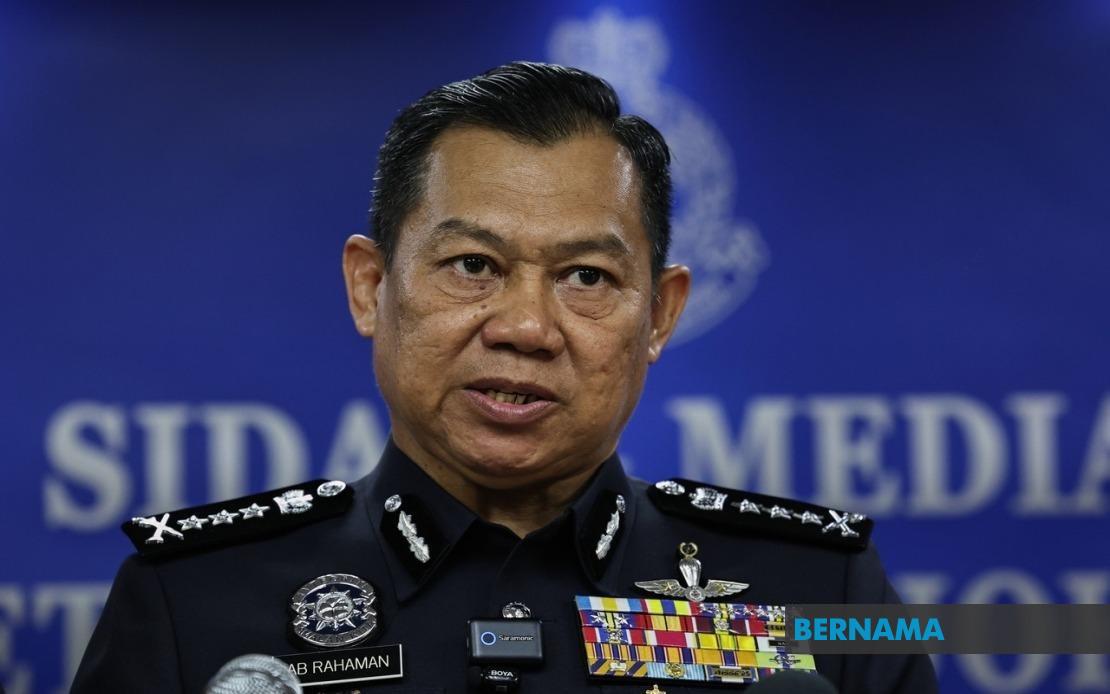
The Johor police force has given the green light to more than nine out of every ten campaign permit applications submitted for the forthcoming 16th Johor state election, demonstrating a generally permissive regulatory environment for political activity in the state. Between June 27 and July 8, authorities processed 4,368 permit requests for political talks and campaign-related gatherings, approving 4,053 of them—a 92.8 percent clearance rate that reflects the police's willingness to facilitate electioneering activities while maintaining oversight. The scale of applications underscores the intensity of the campaign period and the volume of grassroots engagement taking place across Johor's constituencies.
Johor police chief Datuk Ab Rahaman Arsad revealed that the final two days of the reporting window, July 7 and 8, saw a particularly dense batch of submissions, with 884 applications lodged in that 48-hour span alone. From this surge, 838 permits gained approval, suggesting that the police processed these requests swiftly and with minimal rejection rates even under time pressure. The high approval volume in the closing stages indicates that political parties and campaign organisers were rushing to secure permits as election day approached, and police resources were deployed to handle this concentrated workload without significant delays.
While the overwhelming majority of campaign activities proceeded without impediment, the police maintained enforcement operations against electoral violations. Between June 27 and July 8, police received 73 reports alleging election-related offences and formally opened 22 investigation papers—a ratio indicating that not all complaints warranted formal investigation, but those that did were pursued. This enforcement activity occurred against a backdrop of generally controlled security conditions. According to Datuk Ab Rahaman, the broader atmosphere throughout the election campaign remained stable, with no major incidents or breaches of public order documented despite the high volume of political gatherings and public events.
The police committed themselves to ensuring that all campaign activities remained lawful and did not undermine public safety or social cohesion. Regular monitoring by police units was deployed to observe ongoing political activities, verify compliance with electoral regulations, and intervene should problems arise. This approach balanced the democratic imperative to allow free political expression with the state's responsibility to maintain order and prevent election-related violence or intimidation—a delicate equilibrium that appears to have been maintained throughout the campaign period.
Among the investigation papers opened, one was filed under Section 4A(1) of the Election Offences Act 1954, which addresses allegations of promoting ill will or hostility between different communities or groups during election campaigns. This provision is designed to prevent candidates or campaign workers from deliberately inflaming ethnic or religious tensions to gain political advantage, a concern that has periodically surfaced in Malaysian electoral contests. The activation of this particular statute suggests that police identified at least one instance during the campaign where such concerns materialized.
Another investigation involved allegations of defamation under Section 500 of the Penal Code, combined with potential violations of Section 233 of the Communications and Multimedia Act 1998 regarding the improper use of network facilities. This dual charge points to an incident involving online or electronic dissemination of allegedly false and damaging statements about a political figure or organisation—a category of offence that has become increasingly common as social media and digital platforms have become primary channels for election campaigning and political messaging. Two further investigation papers were filed under Section 427 of the Penal Code for alleged mischief causing loss or damage to property, suggesting incidents of vandalism or property destruction possibly targeting campaign materials or political infrastructure.
The diversity of offences under investigation reflects the multifaceted challenges facing electoral authorities in managing modern campaigns. Traditional concerns about physical disorder and property damage persist, but offences involving the spread of false information or incitement of communal tensions have gained prominence, particularly given Malaysia's history of electoral competition intersecting with ethnic and religious sensitivities. The police's capacity to investigate across this spectrum indicates institutional preparedness for the range of violations that emerge during heated political contests.
Datuk Ab Rahaman's statement that violations would be handled with firmness, fairness, and integrity represents a commitment to non-partisan enforcement—a crucial assurance in an environment where opposition parties might otherwise suspect bias in police investigations. Consistency and transparency in enforcement decisions help maintain public confidence in the electoral process and prevent allegations that the security apparatus has been weaponised in favour of particular political interests. Such reassurances are particularly important in states where political competition is intense and multiple political blocs compete vigorously for power.
The approval rate for campaign permits and the relatively controlled security environment during the Johor campaign contrasts sharply with some other electoral periods in Malaysia's recent history, when campaigns have been marked by sporadic violence, vandalism, and inflammatory rhetoric. The achievement of managing over 4,000 campaign activities with a 92.8 percent permit approval rate while containing election offences to 22 investigation papers suggests that either police management improved, political actors exercised greater restraint, or some combination of both factors converged to produce a calmer campaign atmosphere.
For Malaysian observers and analysts tracking electoral trends, the Johor campaign data provides insight into how police forces approach the regulation of political activity during competitive state elections. The transparent disclosure of permit approval rates and investigation figures contributes to public understanding of enforcement practices, though analysts might note that approval rates alone do not necessarily indicate the quality or fairness of regulatory decisions—rejected applications and their reasons would provide additional context for assessing whether the permit system functioned as an objective tool for managing public order or potentially as a mechanism to constrain particular political factions.

