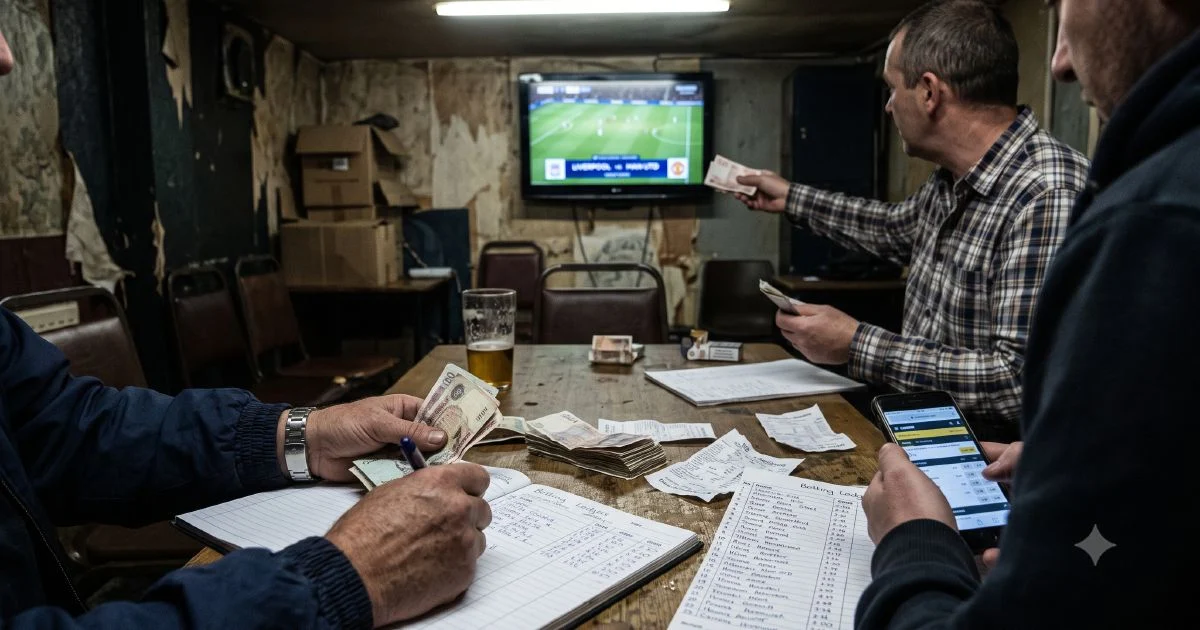
In a sweeping crackdown on illegal gambling networks, police have arrested 331 people and uncovered illegal betting transactions totalling more than RM2.63 million as part of Op Soga XI, a nationwide enforcement operation targeting unlicensed sports betting and online gambling operations connected to the FIFA World Cup 2026. The operation underscores growing concern among Malaysian authorities about the expansion of underground betting syndicates capitalizing on major international sporting events.
The FIFA World Cup, one of the world's most watched sporting competitions, has historically attracted significant illegal wagering activity across Southeast Asia. Operators exploit the global appeal and extended duration of the tournament to establish sophisticated betting networks that circumvent Malaysia's regulatory framework. By initiating Op Soga XI well in advance of the 2026 tournament, authorities are attempting to dismantle infrastructure before the competition amplifies demand for illicit betting channels and creates opportunities for criminal networks to generate substantial profits.
Unlicensed betting operations pose multiple challenges to Malaysian law enforcement and public order. Beyond the direct criminal activity, such networks frequently function as conduits for money laundering, organized crime financing, and loan-sharking schemes. Individuals who lose large sums to underground betting syndicates often become trapped in cycles of debt with harsh repayment terms, sometimes involving threats and violence. The social cost extends to families and communities affected by gambling-related harm, making these enforcement operations integral to broader crime prevention strategies.
Malaysia's legal framework distinguishes between licensed and unlicensed gambling activities. The National Lottery Board administers sanctioned sports betting through controlled channels, while state authorities oversee horse racing operations in designated venues. Any betting activity operating outside these licensed frameworks constitutes a criminal offence under the Common Gaming Houses Act and related legislation. Op Soga XI's targeting of unlicensed operations reflects the government's commitment to protecting the integrity of Malaysia's regulated gambling market and preventing revenue loss from legitimate operators.
The scale of the operation—involving 331 arrests across multiple jurisdictions—demonstrates the pervasive reach of underground betting networks throughout Malaysia. Such networks typically employ hierarchical structures with syndicate leaders, recruiters, collectors, and rank-and-file members. Operatives often use encrypted messaging applications, cryptocurrency transactions, and physical cash handlers to obscure the flow of money and evade detection. The RM2.63 million in identified transactions likely represents only a fraction of total illicit betting turnover, as many transactions remain undetected or are processed through informal channels that leave minimal financial records.
The timing of Op Soga XI reflects international coordination among sporting authorities and law enforcement agencies ahead of major tournaments. FIFA and national football associations regularly warn about match-fixing and corruption risks associated with illegal betting markets. By establishing operations addressing betting syndicates now, Malaysian police position themselves to prevent infiltration of the tournament's integrity while gathering intelligence on criminal networks that may extend across borders. International betting syndicates frequently operate across multiple countries, requiring coordinated enforcement efforts.
Online platforms present particular enforcement challenges for Malaysian authorities. Betting websites operating from offshore jurisdictions accept Malaysian customers while remaining beyond the reach of local law enforcement. Perpetrators exploit banking systems and payment processors to receive funds from users, often disguising transactions as legitimate commercial activity. The investigation component of Op Soga XI likely involved financial intelligence units collaborating with banks and digital payment providers to trace transaction flows and identify operator networks.
The FIFA World Cup 2026 will be notable for its expanded format, featuring 48 teams instead of the traditional 32—increasing the number of matches and extending the tournament duration. This expansion creates extended betting opportunities that illegal operators view as particularly profitable. The United States, Canada, and Mexico will jointly host the tournament, though the expanded reach and longer schedule will amplify betting opportunities globally, including in Malaysia where sports betting enthusiasm remains high.
Previous World Cup tournaments have generated significant illegal betting activity in Malaysia. During the 2022 World Cup in Qatar, enforcement agencies conducted similar operations targeting underground betting syndicates. These recurring crackdowns indicate that demand for illicit betting channels persists despite regulatory efforts, suggesting that unauthorized operators continue identifying customers willing to bet through informal channels rather than licensed platforms. Understanding the persistent appeal of underground betting despite legal alternatives remains important for developing more effective prevention strategies.
The operation's success depends partly on public cooperation and reporting of suspicious betting activities. Community awareness campaigns emphasizing the risks associated with illegal gambling—ranging from financial loss to involvement with criminal organizations—can encourage members of the public to report suspected operations to authorities. Police have established channels for reporting illegal gambling activities, and several state-level task forces coordinate intelligence gathering across jurisdictions to build comprehensive enforcement cases against organized betting networks.
Beyond immediate enforcement action, Op Soga XI's results will inform broader policy discussions about gambling regulation in Malaysia. Some analysts argue that expanding licensed sports betting options and reducing regulatory barriers for legitimate operators could diminish the appeal of underground alternatives. Others contend that stricter enforcement and public education represent the appropriate policy direction. The arrested individuals will face prosecution under applicable gambling and criminal legislation, with penalties ranging from fines to imprisonment depending on their roles within the betting networks.
The operation sends a clear message to potential operators that Malaysian authorities maintain active enforcement presence despite the technical challenges posed by digital betting platforms and international networks. However, law enforcement officials privately acknowledge that eliminating unlicensed betting entirely remains impractical given resource constraints and the adaptability of criminal networks. Preventing the largest and most sophisticated operations from functioning, coupled with deterrence through highly publicized prosecutions, represents a more realistic enforcement objective that Op Soga XI helps advance ahead of the 2026 World Cup.

