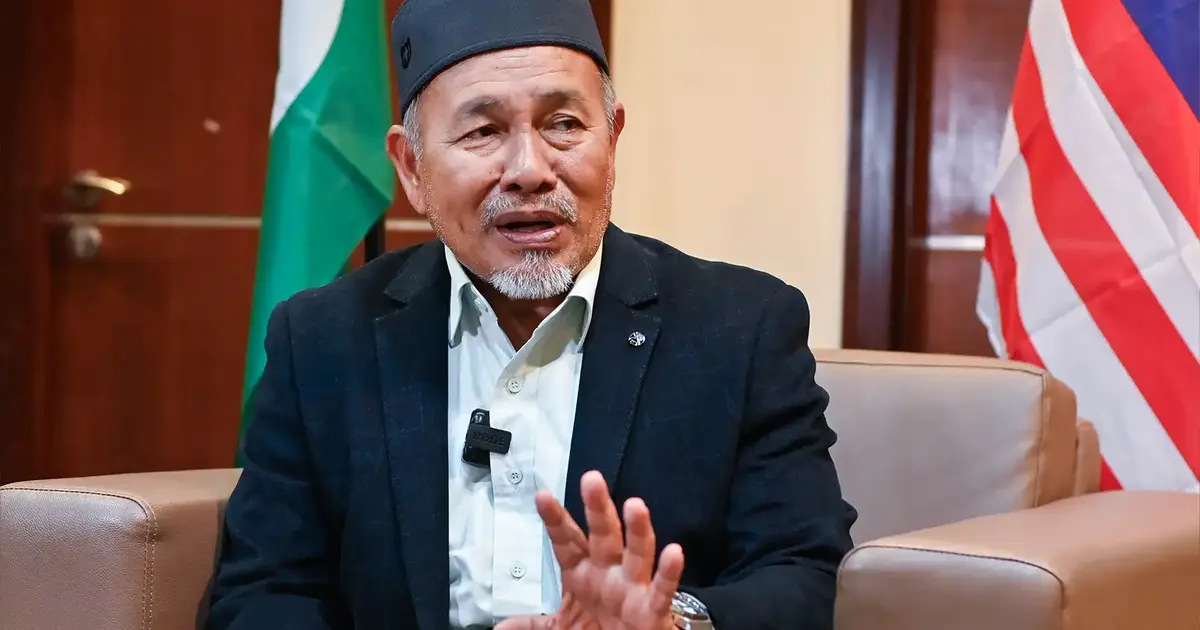
The political coalition Perikatan Nasional is approaching the forthcoming Melaka state election with measured optimism, signalling that potential seat allocation disputes with fellow coalition partner Barisan Nasional can be worked through constructively, according to senior PAS leadership. Speaking on the readiness of both blocs to navigate competing interests across multiple constituencies, Tuan Ibrahim Tuan Man, the deputy president of PAS and a key figure within the PN framework, indicated that preliminary coordination mechanisms are already in motion despite the absence of formal seat negotiation sessions.
The question of how seats will be distributed among coalition members has historically proven contentious in Malaysian electoral politics, particularly when multiple parties claim overlapping support bases or historical representation in the same constituencies. In the Melaka context, where both PN and BN maintain substantial grassroots presence, the mechanics of finalising candidate lists typically requires extended back-and-forth dialogue between party machinery. However, the tone from PN's upper echelon suggests a willingness to prioritise coalition unity over rigid positional bargaining, a notable shift in rhetoric compared to earlier episodes of coalition tension in other state elections.
The confidence articulated by Tuan Ibrahim reflects a strategic calculation that PN and BN share sufficient common interest in preventing a fragmented opposition vote that would benefit rival coalitions. In Melaka, where political dynamics remain fluid and no single bloc commands uncontested dominance, a divided right-wing political landscape could inadvertently strengthen competing ideological movements or allow regional independents to consolidate unexpected gains. This mutual vulnerability incentivises both coalitions to reach workable compromises rather than wage internal proxy wars through candidate nominations.
Malaysia's electoral framework at state level has made the mechanics of seat allocation increasingly complex, as numerous parties seek influence and representation within larger coalitions. The absence of formal talks, while superficially concerning, may actually indicate confidence that an informal understanding already exists at senior levels. Such behind-the-scenes coordination, common in Malaysian politics, often precedes public announcement of negotiated seat distributions. Party officials frequently publicly emphasise flexibility and goodwill while technical teams simultaneously map out divisions acceptable to all stakeholders.
The PAS leadership's equanimity about potential seat clashes also reflects the party's strengthened position within the current coalition architecture. PAS has emerged as the dominant component within PN across several key states and constituencies, affording it considerable leverage in seat negotiations. This structural advantage means PAS can approach discussions from a position of negotiating strength, reducing the likelihood of unfavourable outcomes that might provoke internal resentment or claims of organisational mismanagement.
BN's position in Melaka elections similarly carries weight, as the traditional custodian of Malaysian electoral machinery for decades and still commanding substantial administrative resources and voter loyalty in certain demographic pockets. The interplay between PN's mobilisational energy and BN's institutional weight creates a calculus where both actors benefit from cooperation more than confrontation. Neither bloc faces existential threat from the other; the real competitive challenge emanates from alternative political formations outside their combined framework.
From a Malaysian governance perspective, coalition seat-sharing arrangements carry implications beyond simple electoral mathematics. They shape the ideological complexion of state governments, influence policy prioritisation, and determine which constituencies receive developmental focus during the subsequent term of office. When parties engage in acrimonious seat disputes, the resulting candidate selections often reflect factional power struggles rather than merit or community representation capacity. Conversely, harmonious allocations allow parties to field strategically optimal teams while maintaining internal morale.
The Melaka electoral context also illustrates broader Southeast Asian trends regarding coalition politics in plural democracies. Unlike some regional counterparts with entrenched two-party systems, Malaysia's multiparty framework requires constant coalition management. The PN-BN dynamic demonstrates how ostensibly rival blocs must simultaneously compete for voter support while negotiating mutually acceptable distributions of electoral opportunity. This duality represents the normalcy of Malaysian electoral politics, even as it occasionally produces dramatic reversals when coalition arrangements suddenly fracture.
Looking ahead, the stated confidence from PN representatives should be understood as a public signal of internal discipline rather than as absolute certainty that all disputes will evaporate. Coalition partners invariably discover unforeseen complications once serious seat negotiations commence, and previously unknown constituencies become contested when local party machinery surfaces hitherto overlooked candidates. The ability to resolve such emerging issues expeditiously without cascading into broader coalition instability will constitute the genuine test of PN-BN coordination capacity in the Melaka campaign.

