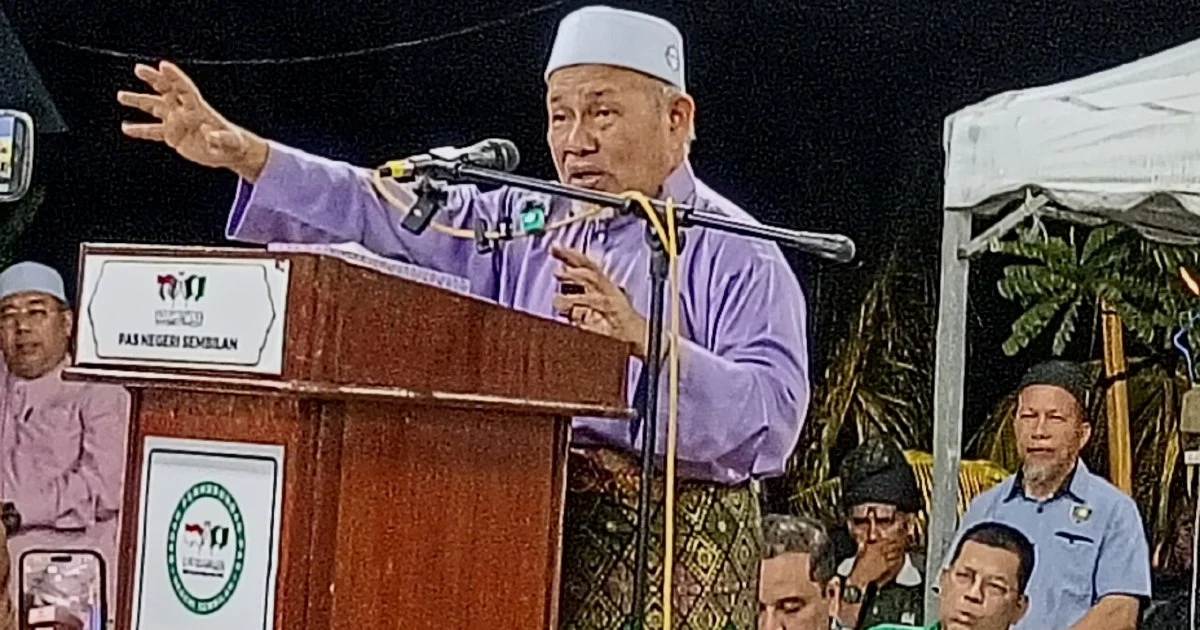
The power-sharing architecture of Malaysia's Perikatan Nasional coalition came under renewed scrutiny when PAS deputy president Datuk Seri Tuan Ibrahim Tuan Man challenged assertions regarding sole ownership of the alliance. His statement underscores ongoing tensions within the bloc that has significantly reshaped the country's political landscape since its formation as a counterweight to the Pakatan Harapan government.
Tuan Ibrahim's position reflects a broader effort by PAS to assert its standing within PN, which currently comprises three principal political forces competing for influence and resources. The clarification became necessary following remarks attributed to Pejabat Setiausaha Negara (the Prime Minister's Office), suggesting a narrower interpretation of the coalition's governance structure. By emphasising collective ownership, the PAS leader attempted to reframe the narrative around how decisions are made and resources are allocated within the alliance.
The disagreement over PN's nature and ownership carries significant implications for how the coalition functions operationally and strategically. Unlike formal partnerships with clearly documented shareholders, political coalitions operate through informal agreements, mutual understanding, and the balance of power among members. When clarity erodes, as appears to be happening here, internal disputes become more likely to surface and potentially damage the alliance's cohesion and electoral prospects.
PAS has emerged as the dominant force in several key states, particularly in the northern and eastern regions of Peninsular Malaysia. This regional influence translates into considerable leverage within PN discussions, making the party's assertion of co-ownership credible to observers familiar with the ground realities. The party's grassroots networks and electoral machinery remain vital to PN's ability to maintain support in constituencies where opposition movements have historically struggled to gain traction.
The ownership debate also touches upon resource distribution and decision-making authority within PN. If Bersatu were to be perceived as the sole proprietor of the coalition, this would implicitly grant its leadership disproportionate control over strategy, candidate selection, and policy direction. Such an arrangement would inevitably generate resentment among partner parties whose members and supporters have sacrificed politically by joining forces with coalition rivals from previous electoral cycles.
Bersatu's position within the coalition, though significant, has been complicated by factors including leadership transitions, internal party dynamics, and fluctuating public perception. The party has faced questions about its grassroots strength and electoral viability compared to PAS. Consequently, Bersatu cannot simply dictate terms to its coalition partners without risking defections or public criticism of authoritarian decision-making within what is supposed to be a democratic alliance.
The timing of Tuan Ibrahim's intervention suggests deliberate positioning ahead of potential political developments or internal negotiations. By publicly staking a claim to equal ownership and decision-making authority, the PAS leadership sends unmistakable signals both internally and to the broader political marketplace about the party's continued relevance and non-negotiable status within PN. This messaging proves especially important when coalition dynamics are fluid and opposition parties are actively attempting to exploit internal fissures.
For Malaysian voters and observers, this dispute highlights the complex nature of coalition politics in the country's system. Coalitions are not static structures but rather dynamic arrangements requiring constant negotiation and maintenance. When component parties lack clear agreements about fundamental matters such as ownership and governance, the potential for conflict escalates significantly. The public airing of such disputes, while transparent, can also undermine confidence in the coalition's stability and unity of purpose.
The controversy also reflects broader questions about how political power is distributed in Malaysia's current landscape. With no single party commanding overwhelming national support, coalitions have become essential vehicles for achieving and maintaining government. However, this dependence on coalition partners creates structural vulnerabilities that competitors can exploit. The PKR-led opposition, currently fragmented but reorganising, would likely welcome continued evidence of PN instability as indicating that the ruling arrangement is fundamentally tenuous.
Regionally, Malaysia's coalition arrangements have attracted interest from observers monitoring Southeast Asian political trends. The country's experience with managing multi-party coalitions offers lessons and cautionary tales about the challenges of sustaining political alliances when component parties possess different ideological orientations, electoral bases, and regional strongholds. How PN resolves internal disputes about ownership and governance will influence perceptions of coalition sustainability in the region.
Moving forward, PN's leadership faces pressure to clarify and formalise the coalition's internal structure to prevent similar disagreements from escalating. While informal arrangements have historically characterised Malaysian coalition politics, the transparency and accessibility of modern communication means that ambiguities and disputes quickly become public knowledge. Clear protocols regarding decision-making authority, resource sharing, and the representation of different viewpoints could strengthen the coalition's operational effectiveness and public credibility. Without such mechanisms, periodic eruptions of ownership disputes seem likely to continue, potentially eroding the coalition's public image and member parties' confidence in the arrangement.