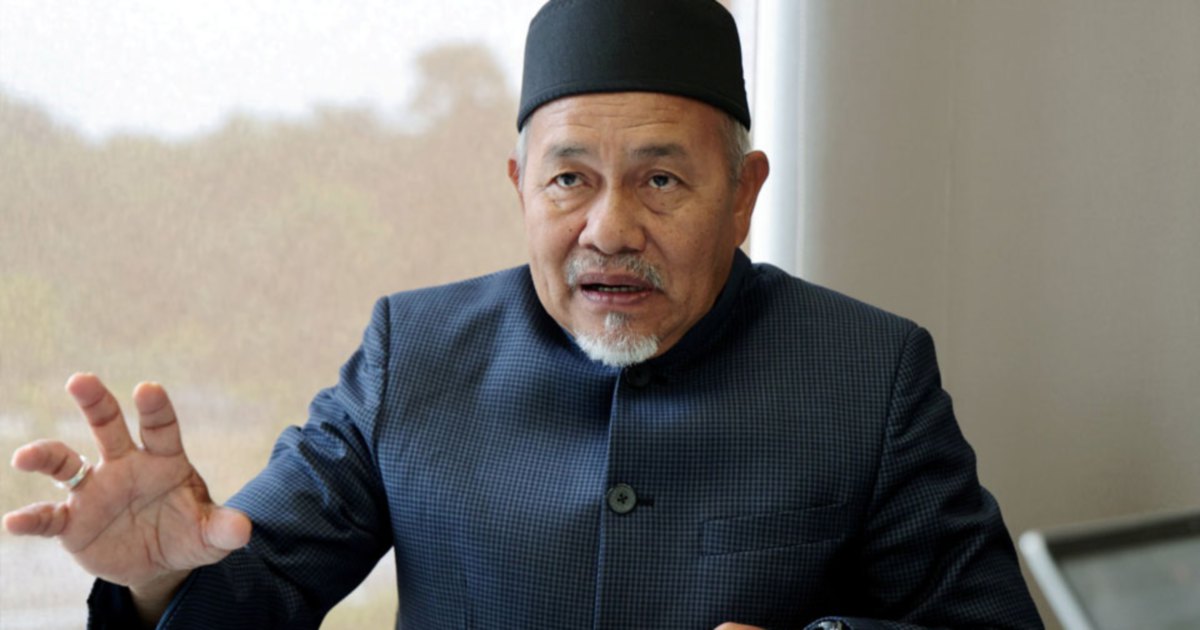
The political fault lines within Malaysia's Perikatan Nasional coalition have deepened following a public disagreement over the reasons behind a suspended round of seat allocation talks. In a statement from Kota Baru, the coalition leadership moved quickly to rebut assertions made by its ally Bersatu regarding the indefinite postponement of the critical Seat Negotiation Committee gathering.
Bersatu had suggested that the delay stemmed from PAS's apparent interest in pursuing closer political cooperation with the Barisan Nasional bloc. This explanation, however, found no traction with PN's top decision-makers, who chose to distance themselves from the characterisation. The divergent public narratives signal mounting tension between coalition partners, even as they maintain the facade of a unified front during periodic political shifts and electoral pressures.
The Seat Negotiation Committee serves as the central forum where PN's constituent parties—primarily PAS, Bersatu, and smaller components—resolve disputes over parliamentary and state assembly seat allocations ahead of elections. Such negotiations are notoriously fraught, as each party guards its territorial interests and seeks to expand influence in targeted constituencies. When these talks stall, they typically indicate unresolved disagreements about seat distribution or the coalition's broader strategic direction.
PAS's potential outreach to Barisan Nasional represents a strategic complication for PN's internal cohesion. The Islamic party has historically maintained pragmatic relationships across factional lines and has even collaborated with BN in certain state administrations. For PN—itself a relatively newer coalition that coalesced around opposition to earlier administrations and subsequently challenged for federal power—any hint that a major member might explore alternative alignments carries significant implications. Such moves could fracture the coalition's negotiating position and complicate electoral planning across multiple jurisdictions.
The public contradiction between Bersatu and PN's central leadership illustrates how coalition politics in Malaysia often plays out through the media rather than through closed-door consensus. By publicly rejecting Bersatu's explanation, PN's command structure is asserting its authority and signalling that such unilateral statements lack sanction. This manoeuvre also shields PAS from direct criticism by framing the dispute as a procedural or communicational misunderstanding rather than an ideological rift.
For Malaysian political observers, the episode underscores the fragility of broad-based coalitions that must accommodate partners with divergent electoral bases and policy priorities. Bersatu, despite its smaller parliamentary footprint, has wielded influence through shrewd positioning and former Prime Minister Mahathir Mohamad's historical weight. However, recent electoral setbacks and internal leadership transitions have constrained its leverage. A public rebuff from the coalition itself signals diminishing room for Bersatu to shape PN's narrative unilaterally.
The implications extend across Southeast Asia's broader political landscape, where similar coalition structures face comparable strain. Indonesia, Thailand, and other regional democracies have witnessed comparable episodes of coalition fragmentation triggered by seat negotiations and shifting party interests. PN's handling of this dispute may offer instructive lessons about whether coalition discipline can be maintained through leadership authority or whether structural factors ultimately drive partners toward realignment.
The suspended Seat Negotiation Committee meeting raises practical questions about PN's electoral readiness. With general elections potentially calling within the next two years, prolonged delays in seat allocation discussions could disadvantage the coalition against better-organised rivals. Both the government coalition and opposition need clarity on candidate nominations, campaign strategies, and resource allocation. Uncertainty at this stage compounds logistical challenges and demoralises grassroots party structures awaiting direction.
PAS, as PN's largest component and the coalition's ideological anchor in Muslim-majority constituencies, occupies a pivotal position in this standoff. Its potential exploration of BN cooperation likely reflects pragmatic calculations about electoral outcomes and resource access rather than programmatic disagreement. Many PAS officials have maintained relationships with BN counterparts across decades of shifting alignments. Whether such consultations represent genuine coalition-switching overtures or routine political networking remains unclear from public statements alone.
Barisan Nasional's apparent receptiveness to PAS outreach demonstrates that Malaysia's traditional opposition remains viable despite its reduced parliamentary presence. BN's control of several state governments and its deep institutional networks retain electoral appeal in certain demographics and regions. For PAS, maintaining good relations with BN offers fallback options should PN's federal prospects deteriorate further, though such hedging risks alienating committed PN supporters.
The resolution of this dispute will likely determine PN's trajectory over the next electoral cycle. If the coalition's leadership successfully reasserts control over public messaging and seat allocation processes, it may stabilise its position and present a credible alternative government. Conversely, if internal contradictions continue spilling into public view, voter confidence will erode and defections may accelerate. The coming weeks will reveal whether PN's denial of Bersatu's claims represents genuine policy disagreement or merely tactical positioning ahead of resumed negotiations that appear increasingly uncertain.

