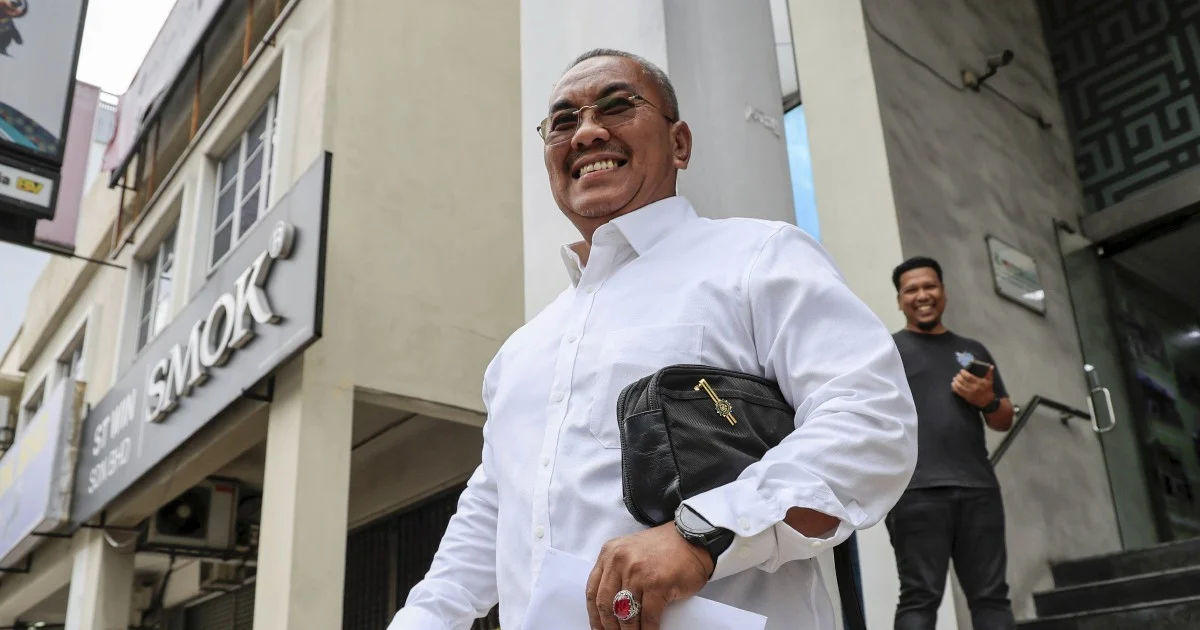
The Perikatan Nasional coalition has cleared a significant hurdle in preparing for the Johor state election, with election director Datuk Seri Sanusi Md Nor announcing the completion of all seat-sharing arrangements among the bloc's member parties. The resolution of 34 overlapping seats represents the culmination of what are typically fraught negotiations within any multi-party coalition seeking to contest a state election, where each component party lobbies intensely for contested electoral territory.
Seat negotiations in Malaysian coalition politics have historically been flashpoints for internal tension, with smaller component parties fearful of being marginalised and larger parties asserting their electoral dominance. The fact that Perikatan Nasional has now locked in final allocations suggests a degree of cohesion within the bloc as it approaches the Johor contest, though the specific distribution of the 34 previously disputed seats remains a closely watched indicator of bargaining power dynamics between the coalition's constituent entities.
For Johor specifically, seat arrangements carry particular weight given the state's significance as a major economic and political powerhouse in peninsular Malaysia. The state election outcome could influence broader political calculations across Southeast Asia's largest Muslim-majority democracy, especially regarding the viability of Perikatan Nasional as an alternative governing coalition. Johor has historically swung between ruling coalitions, making coalition stability and unity messaging essential for any bloc contesting elections there.
The completion of seat negotiations also suggests that Perikatan Nasional's leadership has successfully managed internal pressure points that could otherwise have splintered the coalition's unity in the weeks before polling. In previous Malaysian electoral contests, unresolved seat disputes have occasionally led to last-minute tensions or, in extreme cases, candidate defections or party departures. The early resolution of overlapping claims indicates that Sanusi and other senior coalition figures have effectively mediated between competing interests.
The 34 overlapping seats now settled were likely concentrated in urban and semi-urban constituencies where multiple coalition parties could legitimately claim electoral influence based on membership strength or past performance. These high-value electoral zones typically attract the most intense internal coalition bargaining because victory margins tend to be narrower and the ability to field competitive candidates more critical than in rural constituencies where some parties may lack organisational depth.
Penikatan Nasional's unified messaging on seat allocation also strengthens its electoral positioning relative to other coalitions contesting the Johor election. Internal discord over seat-sharing, widely reported in media, typically benefits opposition blocs by suggesting disunity or disrespect for democratic norms within a coalition. The announcement that negotiations have concluded suggests Perikatan Nasional can now pivot toward unified campaigning on policy issues and leadership platforms rather than managing internal conflicts.
The timing of this announcement carries strategic weight as well, allowing the coalition adequate time to conduct candidate selection processes, campaign planning, and voter outreach before nomination day. Malaysian electoral cycles typically compress significantly once nominations open, leaving limited window for campaign infrastructure deployment. Early closure of seat disputes maximises the time available for unified coalition activity on the ground.
For smaller Perikatan Nasional components, the concluded negotiations likely represent a negotiated compromise balancing electoral aspirations against the mathematical reality of coalition politics. Smaller parties frequently trade contested seats they cannot realistically win for guaranteed safe seats where their candidates can build legislative presence without excessive competition from larger coalition partners. The resolution of 34 seats suggests such trade-offs have been calculated and accepted.
The Johor election assumes additional significance as the state accounts for a substantial proportion of peninsular parliamentary seats, making state-level performance a potential predictor of federal-level political trajectories. Coalition performance in Johor could influence voter calculations in future parliamentary elections, particularly regarding whether Perikatan Nasional presents a viable alternative to the Pakatan Harapan-led government or other coalitions. This elevates the importance of projecting internal cohesion and unified electoral strategy.
From a broader Southeast Asian perspective, Malaysia's state elections serve as regular barometers of political sentiment within the region's established democracy. The Johor contest will be closely observed by regional analysts tracking Malaysia's political evolution, coalition stability, and the sustainability of governance models in a complex multiparty democracy. Perikatan Nasional's ability to maintain coalition discipline through seat negotiations feeds into these wider assessments of Malaysian political stability.
The announcement by Sanusi also reflects his role as a senior coalition strategist and negotiator, positioning him prominently within Perikatan Nasional's operational hierarchy as someone capable of managing competing interests. Such visible involvement in successful coalition management typically enhances a political leader's standing within the broader coalition structure, potentially influencing his leverage in future policy discussions or leadership succession considerations.
With seat negotiations concluded, Perikatan Nasional can now transition toward substantive campaign messaging focused on policy platforms, leadership qualities, and governance alternatives. The resolution of internal allocation disputes removes a potential liability in the coalition's public positioning and allows campaign messaging to concentrate on forward-looking policy narratives rather than defensive explanations of internal organisational tensions.