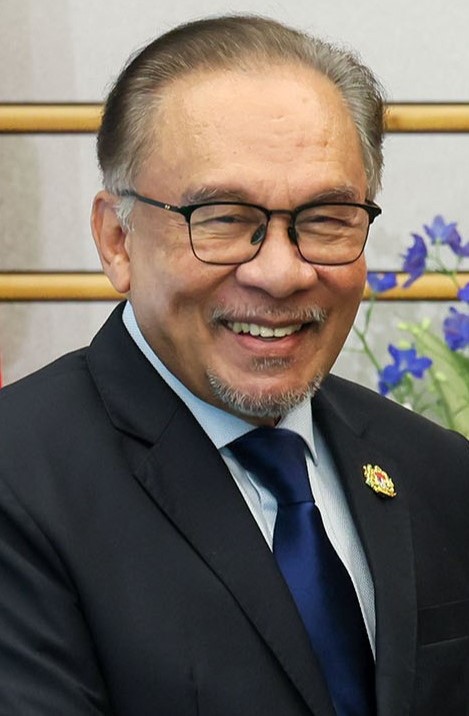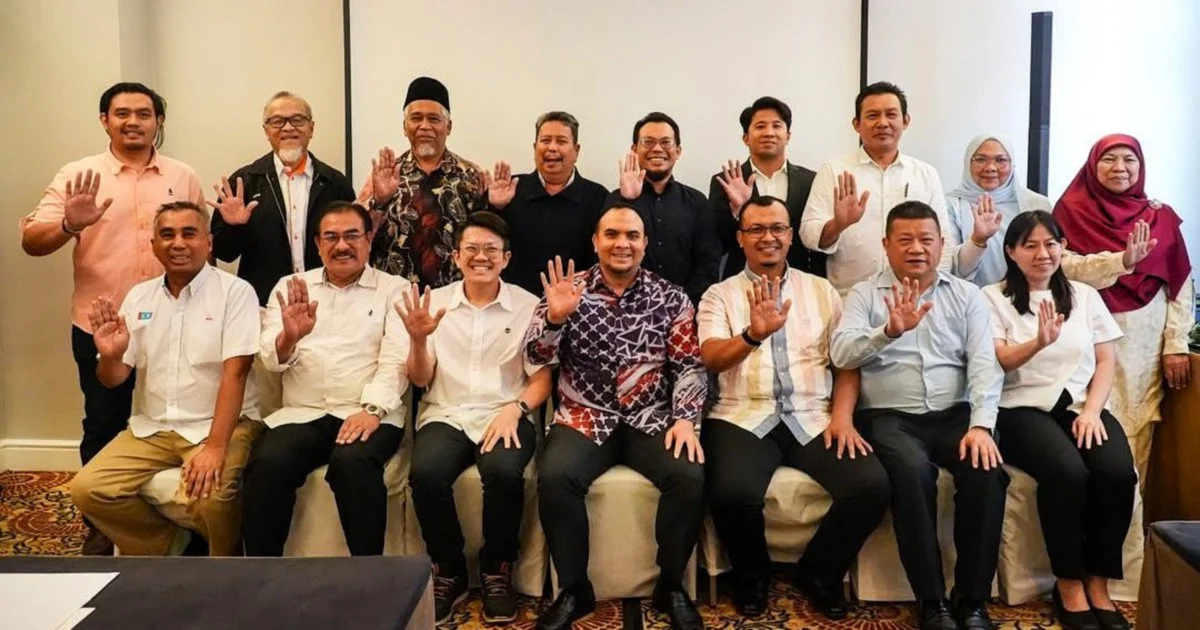
Datuk Ahmad Farhan Fauzi, who serves as political secretary to Prime Minister Datuk Seri Anwar Ibrahim, has assumed the role of chairman for Pakatan Harapan in Pahang, marking a significant shift in the coalition's state-level leadership structure. The appointment reflects the prime minister's confidence in Fauzi's ability to navigate the complex political landscape of the eastern Malaysian state, where Pakatan Harapan has faced considerable challenges in consolidating its organisational presence.
Fauzi's elevation to this prominent position within the coalition carries particular significance given his proximity to the highest levels of government. As the prime minister's political secretary, he brings direct access to Anwar's decision-making apparatus and intimate knowledge of the administration's strategic priorities. This appointment suggests the federal leadership intends to strengthen PH's organisational machinery in Pahang through someone who can align state operations more closely with national party directives.
Pahang holds strategic importance within Malaysia's political architecture, being the nation's largest state by area and home to significant Malay-Muslim population demographics that heavily influence electoral outcomes. The state has historically been a Barisan Nasional (BN) stronghold, with Umno maintaining deep institutional roots across its constituencies. Pakatan Harapan's efforts to expand influence in the state have met considerable resistance, requiring careful navigation of local political grievances and competing factional interests within the coalition itself.
The timing of this appointment occurs against a backdrop of ongoing coalition management challenges. Pakatan Harapan, comprising the Democratic Action Party (DAP), Amanah, and various other component parties alongside Anwar's Parti Keadilan Rakyat (PKR), has grappled with maintaining unity across ideological and ethnic lines. Pahang, with its predominantly Malay voter base and religious sensitivities, represents particularly contested terrain where DAP's presence can generate friction with more conservative elements.
Fauzi's appointment represents an attempt to impose greater coherence on Pahang's PH operations through someone with institutional authority derived from the prime minister's office. Rather than relying solely on state-level party mechanisms, which may face internal divisions, the placement of a trusted federal operative signals determination to exercise tighter control over strategic decisions affecting the coalition's electoral fortunes in this crucial state.
The appointment also reflects broader patterns of political reorganisation occurring within the Anwar administration. The prime minister has consistently demonstrated willingness to place trusted figures in key positions where they can influence party direction and electoral strategy. Fauzi's background and experience in managing political affairs position him to address organisational deficiencies that may have hindered PH's performance in previous contests.
From the perspective of Malaysian political observers, such moves indicate the administration's recognition that state-level operations require greater attention and more experienced oversight. The federal government's interest in strengthening PH's institutional capacity in Pahang suggests preparation for electoral contests where control of state government could prove decisive for the coalition's long-term viability. Pahang's state assembly and local council elections remain important testing grounds for broader coalition cohesion and electoral appeal.
Fauzi's new responsibilities will encompass organisational management, candidate selection processes, and coordination between various PH component parties operating within the state. Successfully executing these functions requires balancing competing interests while maintaining focus on strengthening the coalition's electoral machinery against entrenched opposition. The political secretary's federal connections may facilitate resource allocation and strategic planning that local party structures alone could not achieve.
For Southeast Asian observers tracking Malaysian political developments, this appointment underscores the fluid nature of coalition politics in the region's largest democracy. Leadership changes at state level, particularly when involving figures with national prominence, often signal shifting power dynamics and changing priorities within governing coalitions. Anwar's decision to position his political secretary in this role demonstrates his intent to influence Pahang politics through direct representation rather than allowing state-level organisational structures to operate with substantial autonomy.
The appointment also raises questions about the relationship between federal and state-level party operations within Pakatan Harapan. Traditionally, state branches maintain considerable independence in candidate selection and campaign strategy, but placing a prime ministerial aide in a chairman position suggests movement toward greater centralisation. This approach could enhance coordination but might also generate tension if state party leaders perceive excessive federal interference in local political affairs.
Looking forward, Fauzi's effectiveness in building stronger PH organisational capacity in Pahang will likely influence broader assessments of the coalition's electoral prospects. The state's growing significance in national politics, combined with its demographic characteristics and historical voting patterns, makes leadership performance there consequential for Malaysia's political trajectory. Success could demonstrate that strategic federal intervention in state operations strengthens coalition competitiveness, while underperformance might suggest inherent limitations to such approaches when facing deeply rooted local political structures and regional power networks.