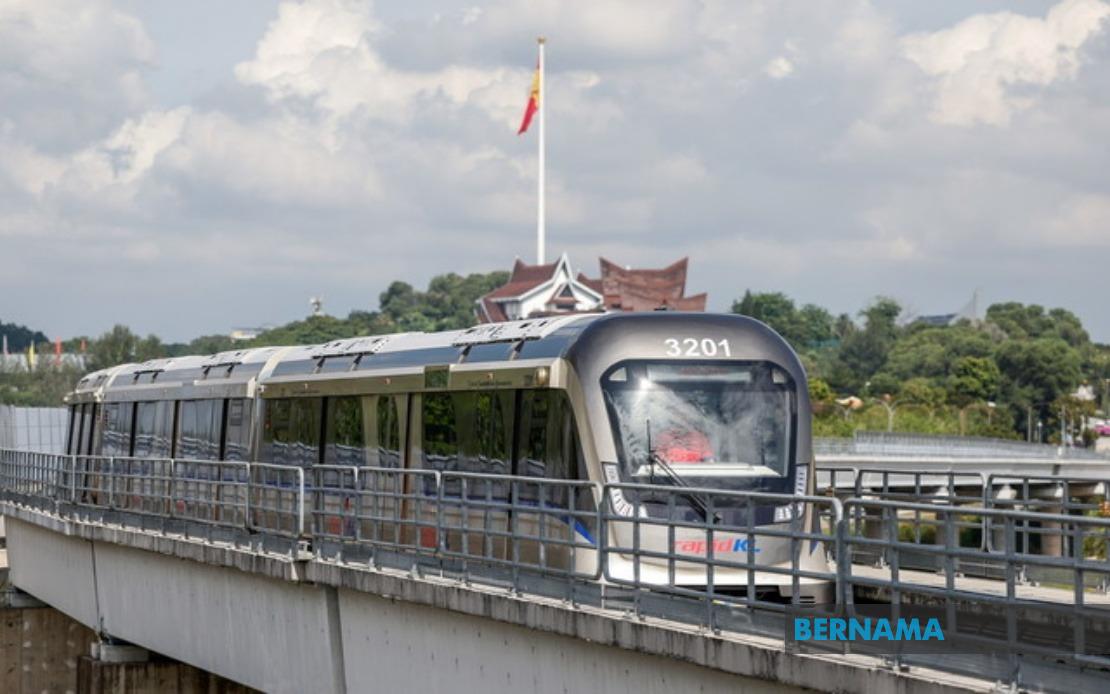
The Light Rail Transit 3 (LRT3) Shah Alam Line is ready to transform commuting across the Klang Valley, with Prime Minister Datuk Seri Anwar Ibrahim set to officiate its launch on Sunday, June 28. The 37.8-kilometre corridor, stretching from Bandar Utama to Johan Setia, represents a significant addition to Malaysia's public transport infrastructure, poised to serve approximately two million residents across its route. According to Shah Alam line chief Mohd Ariffin Idris, the ceremony will mark a milestone for the region's connectivity, though the specific date and time for the line's commercial opening to the general public will be announced by the Prime Minister during the event itself.
The new line comprises 20 stations strategically distributed along its length, designed to maximise accessibility across the Selangor corridor. The first ten stations—Bandar Utama, Kayu Ara, BU 11, Damansara Idaman, Subang, Glenmarie 2, Kerjaya, Stadium Shah Alam, Dato' Menteri, and UiTM Shah Alam—anchor the line in the northern and central sections. The remaining stations, including Seksyen 7 Shah Alam, Bandar Baru Klang, Pasar Klang, Jalan Meru, Jambatan Kota, Taman Selatan, Seri Andalas, Klang Jaya, Bandar Bukit Tinggi, and Johan Setia, extend the network southward into Klang proper, creating a comprehensive spine for the wider metropolitan area.
Intermodal connectivity emerges as a critical feature of the line's design, enabling seamless transfer options that strengthen the overall public transport ecosystem. Passengers boarding at Bandar Utama can interchange directly with the existing Kajang Line, while those at Glenmarie 2 gain access to the Kelana Jaya Line. Such connections essentially create a more integrated network that encourages commuters to abandon private vehicles in favour of rail, a significant consideration as Malaysia grapples with urban congestion and air quality concerns.
Beyond rail connectivity, Prasarana has implemented a comprehensive feeder network to extend the line's reach into residential areas. Forty feeder buses operating across thirteen routes with 323 combined stops offer a standardised fare of just RM1, operating between 6 am and 11:30 pm. Additionally, the operator has deployed forty-four on-demand vans serving twenty distinct zones at RM2 per trip during the same operating window. This dual-layer approach—fixed routes and flexible demand-responsive services—addresses the critical last-mile challenge that often deters public transport adoption in Malaysia's sprawling suburban developments.
Parking infrastructure, a pragmatic acknowledgment that many commuters will continue driving to stations initially, has been integrated at six key nodes. Bandar Utama, Kayu Ara, Damansara Idaman, Pasar Besar Klang, Seri Andalas, Bandar Bukit Tinggi, and Johan Setia collectively offer 2,300 parking bays. This provision recognises the current transportation habits of Klang Valley residents whilst creating conditions that encourage modal shift over time as the network matures and becomes embedded in commuting patterns.
Operational projections indicate Prasarana's confidence in the line's market potential. The organisation expects 67,000 daily passengers in the first full year of operation, a figure anticipated to grow substantially to approximately 117,708 passengers by the fifth year. These projections, if realised, would validate the investment and establish the Shah Alam Line as a meaningful contributor to the region's transport capacity. For context, such growth rates are consistent with other modern Asian transit systems that have successfully captured significant modal share within their service corridors.
Sustainability considerations have been woven throughout the line's infrastructure and operations, reflecting growing environmental consciousness in Malaysia's transport sector. Light rail vehicles feature inverter-based air conditioning systems that consume less energy than conventional units, whilst stations incorporate smart cooling technologies that reduce overall energy demand. Architectural planning has prioritised natural ventilation and daylighting, minimising reliance on artificial climate control throughout the day. These elements, though individually incremental, collectively position the Shah Alam Line as one of Malaysia's more environmentally thoughtful transport investments.
Accessibility represents another design philosophy that extends throughout the system. Every station has been equipped with wheelchair-accessible ramps, whilst disability-compliant toilets serve passengers with mobility challenges. Each train carriage reserves dedicated seating for persons with disabilities, ensuring that the line serves not merely a cross-section of the population but genuinely caters to those with specific mobility requirements. This inclusive approach aligns with international best practice and reflects an understanding that public transport systems must accommodate all potential users.
Looking forward, the network's expansion phase remains under active planning. Five additional stations—Tropicana, Raja Muda, Temasya, Bukit Raja, and Bandar Botanik—are scheduled for reconstruction and reconnection to the line, with construction commencing by year's end. This phased expansion strategy allows for initial operational stabilisation whilst keeping expansion options alive for communities currently on the periphery of the direct service corridor.
The Shah Alam Line's launch arrives at a pivotal moment for Malaysia's urban transport policy. The Klang Valley, home to nearly seven million people, remains heavily car-dependent despite decades of rail investment. Each new line operates in a context of entrenched driving habits, competitive ride-hailing services, and limited consistency in last-mile connectivity. The Shah Alam Line's success will therefore offer crucial lessons about what combination of factors—frequency, coverage, parking, feeder services, and modal integration—actually shifts commuter behaviour in the Malaysian context. Beyond the immediate two million residents it serves, the line's performance metrics could influence the trajectory of public transport investment across Southeast Asia's rapidly urbanising cities.

