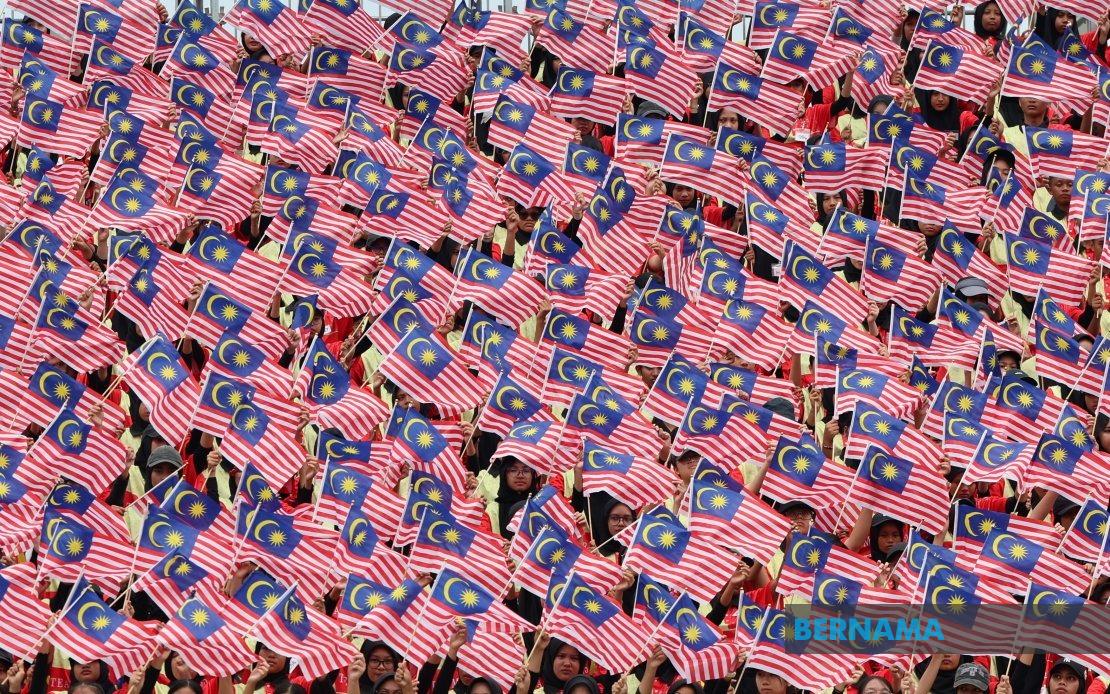
Prime Minister Datuk Seri Anwar Ibrahim will preside over the official launch of the 2026 National Month and Fly the Jalur Gemilang Campaign on July 19 in Ipoh, marking the start of preparations for this year's National Day and Malaysia Day celebrations. The event, scheduled at the Sultan Azlan Shah Institute of Health Training (ILKKM SAS) in Tanjung Rambutan, is anticipated to attract around 3,000 attendees comprising members of the MADANI Community, trainees, and staff of the training institute.
According to Perak State Government Corporate Division Principal Assistant Secretary Anita Amri, the launch represents a significant milestone in building momentum toward the August 31 commemoration of Malaysia's independence. While the event will be held at a specific venue, organisers have ensured wider accessibility through broadcast arrangements on Radio Televisyen Malaysia (RTM) and the Malaysian National News Agency (Bernama) television channels. This multi-platform approach reflects efforts to engage Malaysians across different regions and demographics in the national celebration planning process.
To streamline public access to authoritative information about the festivities, the Ministry of Communications has unveiled the Merdeka360 Portal, positioned as a centralised digital hub for comprehensive details on the 2026 National Day and Malaysia Day activities. This initiative, coordinated through the Department of Information Malaysia (JAPEN), acknowledges the growing reliance on digital platforms for civic information and aims to combat misinformation by providing verified content directly from government sources. The portal's launch underscores official recognition that accurate, timely communication is essential for successful national celebrations.
Central to this year's campaign messaging is the government's rallying cry for Malaysians to actively participate in the "1 Rumah 1 Jalur Gemilang" initiative, which encourages households nationwide to display the national flag. This grassroots approach to patriotism emphasises the principle that national pride extends beyond ceremonial occasions and becomes embedded in everyday community life. Anita stressed that flying the Jalur Gemilang represents more than symbolic gesture—it conveys collective commitment to the nation's values and aspirations.
Conditions and presentation standards for the national flag have been emphasised by officials managing the campaign. Anita explicitly cautioned against displaying worn, discoloured, or damaged flags, advocating instead for respectful presentation of the flag whether at residences, commercial establishments, or vehicles. This focus on maintenance and proper conduct reflects deeper principles about treating national symbols with appropriate reverence. The specification of these standards suggests concerns within government circles that casual or degraded displays might inadvertently diminish the solemnity associated with national emblems.
The amplification of patriotic sentiment beyond individual flag-flying has been positioned as equally important to the campaign's success. Officials have actively encouraged Malaysians to leverage their personal networks—family members, friends, and neighbours—in spreading enthusiasm for the celebrations. This peer-to-peer approach recognises that social influence within communities often proves more persuasive than top-down government messaging, potentially creating organic enthusiasm rather than obligatory participation.
Social media platforms have been explicitly identified as critical channels for disseminating the patriotic message and engaging younger demographics who are less likely to consume traditional broadcast media. The government's embrace of digital platforms reflects acknowledgement that contemporary national campaigns must operate across multiple communication channels to achieve comprehensive reach. This strategy aligns with broader global trends where governments recognise the necessity of meeting citizens where they already spend significant time.
This year's National Day celebrations will operate under the theme "Malaysia MADANI: Kesejahteraan Dinikmati" (Malaysia MADANI: Shared Prosperity), continuing the MADANI framework that has dominated government messaging since the current administration took office. The deliberate continuation of the Malaysia MADANI logo through next year's celebrations demonstrates sustained commitment to a consistent national narrative, ensuring visual and thematic coherence across multiple yearly observances.
Communications Minister Datuk Seri Fahmi Fadzil previously disclosed plans for the August 31 National Day festivities at Dataran Putrajaya to proceed on a deliberately restrained scale while maintaining spirited atmosphere. This measured approach likely reflects budgetary considerations and post-pandemic reassessment of celebration methodologies. Rather than attempting grand spectacle, the shift toward more focused, community-centred celebrations potentially allows for greater civic participation and meaningful engagement than traditional ceremonial formats.
For Malaysian readers, the launch signals the beginning of sustained promotional activity that will intensify throughout coming months. The emphasis on household-level flag displays and community mobilisation suggests expectations that patriotic expression will pervade everyday spaces rather than concentrating solely on official events. For business owners, workplace managers, and community organisers, the campaign messaging carries implicit expectations regarding flag displays and symbolic commitment to national observance. The coordination across government ministries and agencies—Communications, Information, Health, and state governments—indicates sophisticated planning infrastructure aimed at achieving comprehensive societal participation in the 2026 celebrations.

