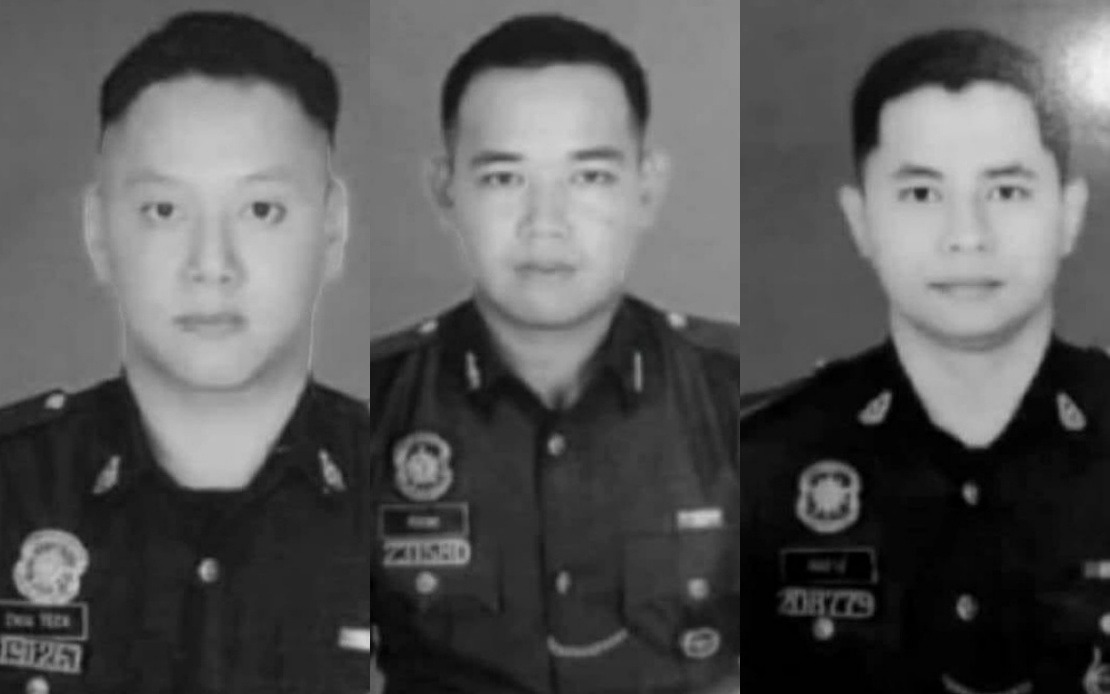
Prime Minister Datuk Seri Anwar Ibrahim has directed the launch of a full and transparent inquiry into a fatal incident in Kampung Weston, Beaufort, Sabah, where three Royal Malaysia Police personnel lost their lives in what authorities believe was an electrocution accident. The directive signals the government's commitment to establishing the precise circumstances surrounding the tragedy and ensuring accountability across relevant agencies.
Anwar conveyed his instructions through a Facebook statement, emphasising that the investigation must move swiftly while maintaining rigorous standards of transparency. He underscored the critical importance of understanding what led to the deaths, framing the inquiry not merely as a procedural necessity but as essential groundwork for implementing systemic safeguards. The Prime Minister stressed that lessons drawn from this incident must translate into concrete preventive measures that eliminate similar risks in the future.
The three deceased officers have been identified as Chiu Teck Siong, 40; Mohamad Nur Hafiz Ibrahim, 29; and Muhammad Raimi Ismarubee, 26, according to preliminary information released by the Sabah Fire and Rescue Department's Operations Centre. The identifications represent officers at different career stages, with Ismarubee being the youngest among the trio. Their deaths mark a significant loss within the police force and have drawn widespread attention across the nation.
The incident gained immediate public awareness through multiple video recordings shared across social media platforms, which depicted the three officers lying on the road with members of the public present at the scene. The viral nature of the footage underscores the importance of official clarity, as unverified details and speculation circulating online can compound distress among both the police community and the general public. The transparent investigation Anwar has ordered appears designed partly to establish authoritative facts that counter misinformation.
Electrocution hazards in Malaysia, particularly in public spaces and during emergency response operations, represent an ongoing occupational risk that demands regulatory attention. Police officers responding to incidents may encounter various electrical hazards, from downed power lines to faulty infrastructure, often without prior warning. The incident in Beaufort highlights the vulnerability of first responders operating in field conditions where electrical dangers may not be immediately apparent or properly secured by relevant authorities.
Anwar's reference to implementing improvements suggests that the investigation will likely examine whether adequate safety protocols were in place, whether warning systems functioned correctly, and whether relevant agencies including utility providers had fulfilled their obligations regarding hazard management and public safety. The outcome could prompt reviews of operational procedures, equipment standards, and inter-agency coordination mechanisms designed to protect personnel in high-risk environments.
The Prime Minister extended formal condolences to the families of the deceased officers and to the entire police force, acknowledging both personal loss and institutional grief. His statement recognised the broader significance of their service, positioning their contribution within the larger framework of national security and public order maintenance. Such recognition carries symbolic weight for police personnel and their families, affirming that sacrifice in service to the nation receives official acknowledgement at the highest governmental level.
For Malaysia's policing community, the incident and subsequent investigation carry implications for workplace safety standards and occupational health protocols. Police unions and staff associations may leverage the investigation's findings to advocate for enhanced safety equipment, improved training in hazard recognition, and strengthened coordination with utility companies and municipal authorities responsible for maintaining public infrastructure. The transparency promised by Anwar could establish precedent for how similar investigations are conducted and communicated to relevant stakeholders.
The timing and prominence of Anwar's response also reflect broader governance priorities. By publicly directing a comprehensive inquiry and committing to preventive follow-up, the Prime Minister signals that accountability and systematic improvement matter within his administration's approach to public service operations. This positioning carries relevance for how government agencies generally manage occupational risks and respond to tragedies affecting their personnel.
For Sabah specifically, the incident underscores infrastructure and safety management challenges that extend beyond policing. The state faces ongoing issues related to electrical infrastructure maintenance, urban planning, and coordination among government departments responsible for public safety. The investigation's scope and recommendations may influence broader discussions about infrastructure investment and regulatory oversight in the state.
The broader context includes Malaysia's ongoing efforts to improve workplace safety across all sectors. Recent years have witnessed increased attention to occupational health standards, emergency response protocols, and inter-agency communication. How authorities handle this investigation will set benchmarks for similar incidents and may inform policy refinement across government and public agencies.
Moving forward, the focus shifts to investigation teams tasked with determining precise causation, identifying any regulatory or procedural failures, and formulating actionable recommendations. The speed and thoroughness with which this process unfolds will test the government's commitment to the transparency Anwar has promised. For the families of Chiu Teck Siong, Mohamad Nur Hafiz Ibrahim, and Muhammad Raimi Ismarubee, the investigation represents not only an official acknowledgement of loss but also a pathway toward understanding how their deaths might contribute to preventing future tragedies.

