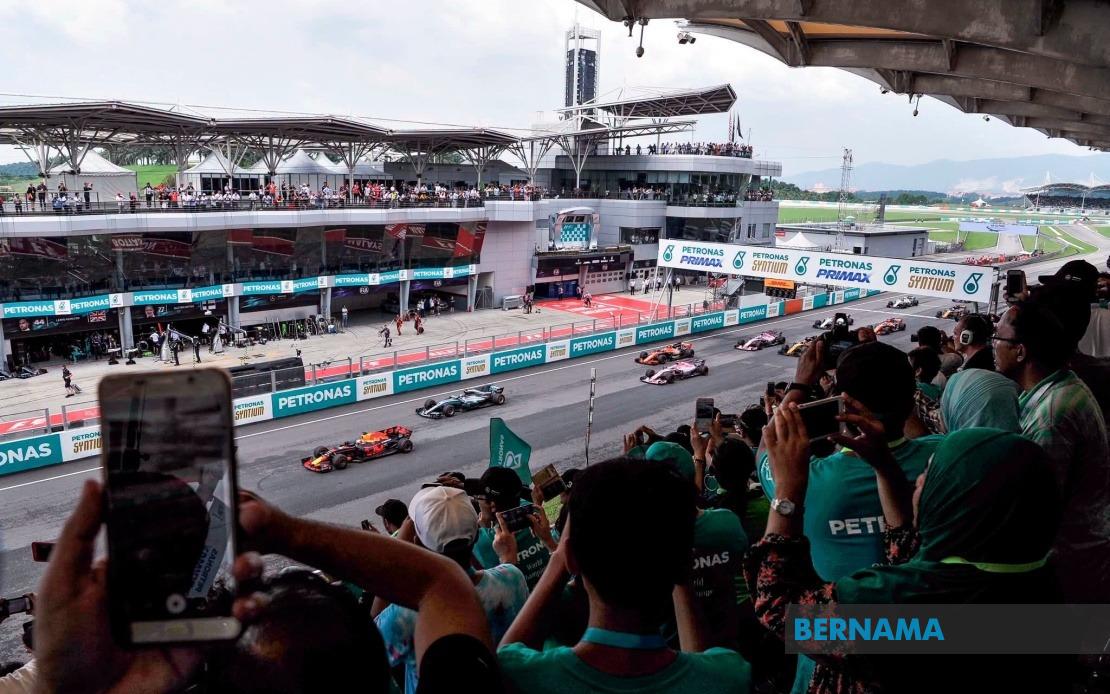
Prime Minister Datuk Seri Anwar Ibrahim has unveiled a new ticketing initiative designed to make Formula 1 racing accessible to ordinary Malaysians, announcing MADANI Tickets exclusively available to MyKad holders at prices beginning from RM200. The heavily subsidised tickets will grant access to all three days of the Gulf Air Bahrain Grand Prix, scheduled to take place at the Sepang International Circuit from October 2 to 4, 2026. This strategic pricing reflects the government's commitment to democratising premium sporting experiences and ensuring that the return of international motorsport to Malaysian soil benefits a broad cross-section of the population rather than just affluent enthusiasts.
The initiative emerged following governmental deliberations spanning several weeks to introduce specially priced spectator packages for the Formula 1 event. According to Anwar's announcement made through social media, the scheme materialised after productive negotiations and a bilateral understanding reached with Bahrain, the host nation for the race. The prime minister framed the MADANI Tickets as an opportunity to extend Formula 1's appeal beyond traditional wealthy audiences, emphasising that the government is "pleased" to facilitate this arrangement. While specific details regarding ticket allocation, booking procedures, and which grandstand sections will be included at the RM200 entry point remain forthcoming, the Sepang International Circuit is expected to release comprehensive information in due course.
Malaysia's hosting of the Bahrain Grand Prix represents a significant restoration of the country's prominence within global motorsport after more than a decade of absence. The Sepang circuit previously served as the traditional home of the Malaysian Grand Prix from 1999 to 2017, during which period it became a cornerstone fixture on the Formula 1 calendar and a source of national pride. The race was ultimately discontinued following escalating operational costs and burdensome licensing fees that ultimately proved unsustainable for the circuit's management. The decision to abandon the Malaysian GP reflected broader economic pressures facing motorsport venue operators across the Asia-Pacific region, many struggling to justify the astronomical expenses required to meet contemporary F1 infrastructure and safety standards.
The Bahrain Grand Prix's relocation to Sepang involves an unprecedented international arrangement between Malaysia and Bahrain, formalised through cooperation between Formula 1 and the Fédération Internationale de l'Automobile. The original scheduling placed the 2026 Bahrain GP at the Bahrain International Circuit in April, but geopolitical instability and regional security concerns in West Asia prompted postponement and relocation to October at the Malaysian venue. This pragmatic solution allowed the event to proceed while mitigating risks associated with the volatile geopolitical environment affecting the Middle Eastern location, simultaneously providing Malaysia with an unexpected opportunity to resurrect its position within elite international sporting competitions.
The MADANI Tickets initiative carries significant cultural and political implications extending beyond mere sporting entertainment. MADANI, an acronym representing the Madani governance framework championed by Anwar's administration, emphasises prosperity, inclusivity, transparency, and technological advancement. By directly branding the discounted ticket scheme with this governmental philosophy, the administration signals that major sporting events should serve broader national development objectives rather than functioning purely as commercial ventures. The subsidisation effectively transfers wealth from general government revenues toward enabling working-class and middle-income Malaysians to participate in experiences traditionally reserved for higher income brackets, reflecting redistributive principles underpinning contemporary Malaysian governance.
From a motorsport tourism perspective, the October date carries strategic advantages for Malaysia compared to the original April scheduling. The cooler months following the southwest monsoon season typically offer more favourable weather conditions for international visitors and provide optimal climatic circumstances for optimal racing conditions. Furthermore, October positioning allows adequate time for extensive promotional campaigns and domestic ticket sales initiatives, potentially maximising attendance figures. The government's aggressive pricing strategy suggests determination to achieve record spectator numbers that would validate Malaysia's credentials as a premier Asian motorsport destination capable of rivalling established venues across the continent.
The economic dimensions of hosting Formula 1 extend well beyond immediate ticket revenues. International motorsport events generate substantial multiplier effects throughout hospitality, transportation, retail, and accommodation sectors. Hotels throughout the Klang Valley region would anticipate capacity bookings, while international visitors typically disperse spending across restaurants, shopping centres, and cultural attractions. The government's investment in subsidised tickets essentially represents a calculated economic stimulus strategy designed to attract maximum participation while bolstering broader tourism revenues. By lowering entry barriers, the MADANI Ticket scheme effectively converts potential non-attendees into spectators, expanding the total economic footprint considerably.
The announcement also carries geopolitical undertones reflecting Malaysia's strategic positioning within regional and global motorsport hierarchies. Successfully hosting an international Formula 1 Grand Prix demonstrates administrative capacity, infrastructure competence, and diplomatic sophistication. The willingness of Bahrain to relocate its national Grand Prix to Malaysian soil, despite obvious domestic preferences, underscores Malaysia's enhanced standing within international motorsport governance structures. This development potentially positions Malaysia as a credible alternative venue for future F1 events should circumstances warrant relocation from other struggling circuits, offering long-term advantages for the nation's sporting infrastructure investment.
Looking forward, the success of the 2026 Bahrain Grand Prix at Sepang will significantly influence Malaysia's prospects for securing independent Formula 1 races beyond this one-off arrangement. Circuit operators and governmental officials are undoubtedly monitoring spectator response patterns and financial performance metrics carefully. Strong attendance figures and positive international media coverage could revitalise discussions regarding Malaysia's permanent return to the F1 calendar, potentially leading to restoration of the Malaysian Grand Prix as a standalone annual event. Conversely, disappointing results would likely reinforce pessimistic assessments about the domestic market's capacity to support independent Formula 1 operations.
The MADANI Tickets scheme addresses a fundamental accessibility challenge that has historically limited motorsport spectatorship within developing economies. Formula 1 traditionally attracts corporate sponsors and wealthy individuals capable of absorbing premium ticket prices often exceeding several thousand ringgit per seat. By introducing a RM200 entry point, the government explicitly acknowledges that ordinary citizens deserve opportunities to witness world-class sporting competition without financial hardship. This philosophical positioning distinguishes the Malaysian approach from strictly commercial models pursued elsewhere, embedding social equity considerations directly within sporting event management frameworks.
Further details promised by the Sepang International Circuit will likely address practical questions occupying potential ticketholders' minds. Clarification regarding which specific sections of the circuit's grandstands fall within the RM200 pricing tier, reservation procedures, and whether differential pricing applies for particular days or session types remains essential. The circuit management will simultaneously need to address logistical challenges associated with substantially elevated spectator volumes, including parking arrangements, public transportation coordination, and crowd management infrastructure. Successfully navigating these operational complexities will ultimately determine whether the MADANI Tickets initiative achieves its intended objectives of broadening participation and generating positive community sentiment.

