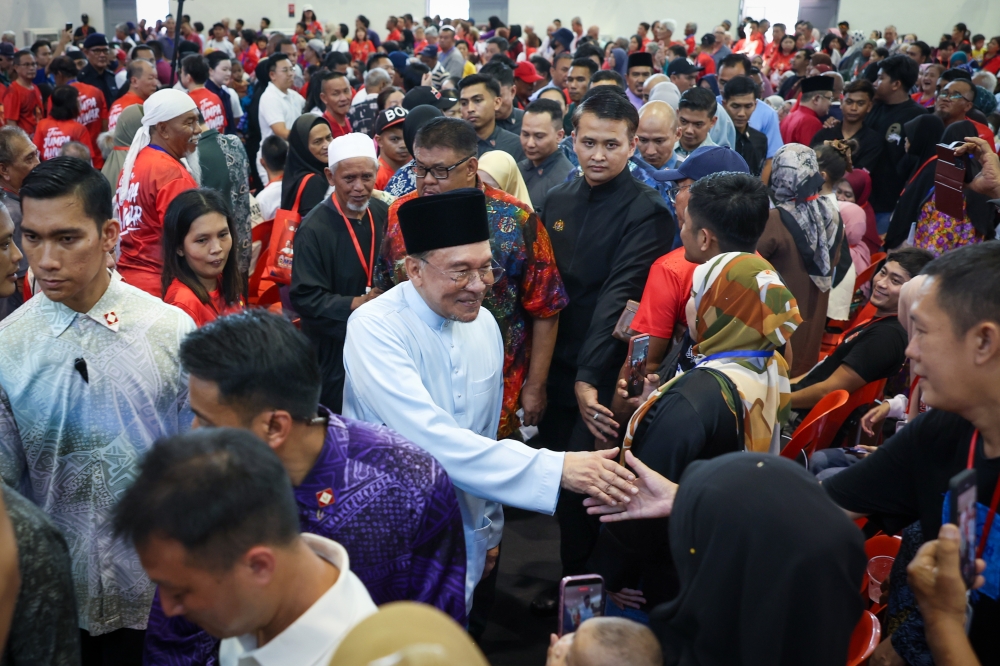
Prime Minister Datuk Seri Anwar Ibrahim is currently receiving medical examinations and undergoing specialist observation as part of a planned healthcare assessment, according to a statement released by the Prime Minister's Office. The examination period is expected to span two days and involves consultations with medical specialists and various diagnostic procedures to monitor the head of government's health status.
The PMO's confirmation of the routine medical check comes as part of standard health protocols for high-ranking government officials. Such comprehensive evaluations are typically scheduled periodically to ensure the physical and mental wellbeing of senior leaders who carry substantial responsibilities in running the nation. The decision to make the assessment public reflects the government's transparency regarding the Prime Minister's health and fitness to discharge his duties.
Medical examinations of this nature for sitting prime ministers serve multiple purposes beyond personal health management. They provide documented evidence of the leader's capability to perform his constitutional and executive functions, which carries significant weight in matters of national governance and succession planning. For a nation like Malaysia with a complex constitutional framework and intricate power-sharing arrangements, confirmation of the Prime Minister's good health carries implications for political stability and investor confidence.
The timing and nature of such health checks are usually scheduled during periods when parliamentary business permits temporary absence from official duties, or during scheduled breaks in the government calendar. This ensures continuity of governance while allowing the Prime Minister to focus entirely on medical assessments without compromising his responsibilities to cabinet and parliament. The two-day observation period suggests a comprehensive evaluation rather than a simple routine check-up.
Specialist observation procedures typically include cardiovascular assessments, comprehensive blood work, imaging studies, and consultations with physicians across multiple disciplines. For someone in the Prime Minister's position, such evaluations often extend beyond basic wellness screening to encompass stress-related health markers, cognitive function assessments, and stamina evaluations that directly relate to the demanding nature of high office. These results establish a baseline for comparison with future assessments.
The public disclosure of such medical procedures reflects a broader shift in governance culture toward greater transparency in matters affecting national leadership. Citizens and investors increasingly expect information about the health status of key government figures, particularly heads of state and government. This openness helps counteract rumours and speculation that might otherwise circulate through unofficial channels, potentially destabilising markets or creating unnecessary political uncertainty.
Anwar Ibrahim's government, which took office following the 2022 general election, has made numerous commitments to institutional reforms and good governance practices. The transparent handling of health matters aligns with these stated objectives and represents a departure from previous practices in Malaysian politics where health issues of senior leaders were often shrouded in secrecy and informal management. This approach demonstrates the administration's commitment to accountability and normalising discussions about the wellbeing of public officials.
From a Southeast Asian perspective, Malaysia's approach to leader health transparency mirrors practices in more developed democracies and reflects evolving regional expectations regarding governance standards. As the region's economies become increasingly integrated with global markets and as institutional strengthening becomes a priority across ASEAN nations, such practices contribute to the credibility and professionalism of Malaysian governance on the international stage.
The confirmation that these are routine medical procedures rather than responses to any specific health concern suggests that the Prime Minister's condition remains stable and that standard preventive health measures are being maintained. This distinction is important for public confidence, as it frames the assessment as part of normal executive health management rather than emergency intervention. The scheduled nature of the observation period further reinforces this characterisation.
For Malaysian readers and the broader regional audience, such health assessments of national leaders carry implications for continuity and stability in government operations. Comprehensive medical evaluations provide assurance that leadership succession arrangements are in good order and that contingency planning for various scenarios remains robust. In Malaysia's context, where the constitution provides specific mechanisms for dealing with situations where the Prime Minister becomes unable to discharge his functions, maintaining transparency about leadership health contributes to constitutional stability.
The government's decision to make public the fact of the medical examination, while presumably maintaining confidentiality regarding specific medical details, represents a measured balance between public right-to-know and personal medical privacy. This approach protects the Prime Minister's fundamental right to medical confidentiality while providing the reassurance the public legitimately expects regarding the capability of its chief executive. Such transparency in governance matters ultimately strengthens democratic institutions and public trust in government.

