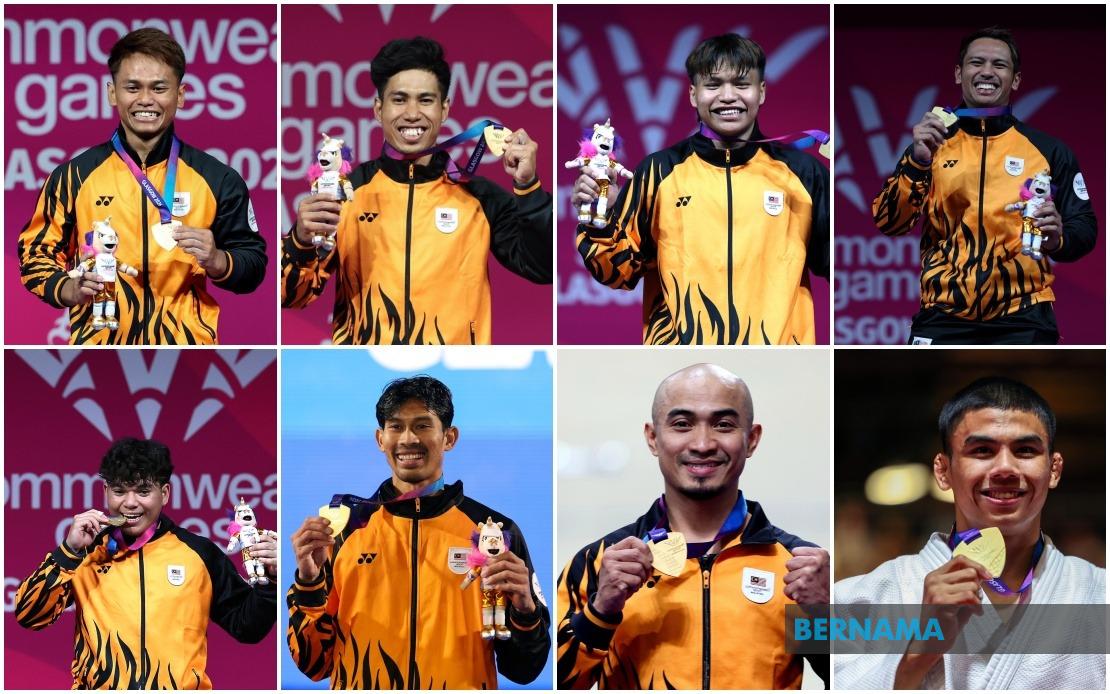
Prime Minister Datuk Seri Anwar Ibrahim has extended his congratulations to Malaysia's entire sporting delegation following their campaign at the 2026 Commonwealth Games held in Glasgow, Scotland, acknowledging their competitive spirit and strong display on the international stage. The prime minister's tribute, shared via social media on August 3, underscored the national pride evident throughout the games, highlighting the resilience demonstrated by athletes across multiple disciplines.
Through his Facebook message, Anwar recognised not only the athletes who represented the nation but also the extensive support network that enabled their participation. He specifically acknowledged the contributions of coaching staff, administrative officials, support personnel, and the broader Malaysian public whose encouragement and prayers sustained the contingent throughout the competition. This recognition reflects a holistic understanding of sporting success as a collective endeavour extending beyond individual medal-winners to encompass the institutional and community scaffolding required for competitive excellence.
The Malaysian contingent's 10th-place finish with a total haul of 16 medals represents a respectable outcome for the nation in a competition that brings together Commonwealth nations spanning multiple continents. This ranking places Malaysia among the mid-tier performers in the games, a position that reflects both the depth of talent available within domestic sports programmes and the ongoing challenges facing the nation's athletic development system. The medal distribution across various sporting disciplines demonstrates the breadth of competitive capability that Malaysia continues to cultivate.
For Southeast Asian observers, Malaysia's performance carries particular significance as a regional benchmark. The nation has established itself as a consistent medal-winning presence at Commonwealth Games over successive editions, and this latest iteration maintains that standing. Neighbouring countries such as Thailand, Singapore, and Indonesia typically compete within comparable frameworks, making Malaysia's positioning relevant to broader conversations about sports development policy and resource allocation across the region.
The prime minister's public commendation serves multiple strategic purposes within Malaysia's sporting ecosystem. By elevating the profile of athletes and their support systems through high-level political recognition, the government signals continued commitment to athletic development as a component of national identity and soft power. Such acknowledgements can bolster public interest in sporting programmes and justify sustained funding allocations to athletic bodies and training infrastructure that compete for government resources against other portfolio demands.
The Glasgow Games represent one of several major international competitions where Malaysian athletes seek to establish themselves and secure medals that contribute toward Olympic qualification pathways and world rankings. The Commonwealth Games framework, distinct from Olympic competition, encompasses a specific roster of sports and creates opportunities for emerging athletes to gain competitive experience against established opponents. Malaysia's traditional strengths in badminton, diving, and weightlifting typically drive medal outcomes at such gatherings, though the contingent's success across 16 medals suggests competitive contributions across multiple sporting domains.
Looking forward, the congratulatory message from the prime minister implicitly acknowledges the investment required to sustain Malaysia's competitive position. Coaching infrastructure, athlete development programmes, and sports science support systems demand consistent funding and institutional attention. The explicit mention of coaches and support staff in Anwar's statement reinforces recognition that medal production reflects systemic capacity rather than individual talent alone, a perspective that increasingly shapes policy discussions across Commonwealth nations engaging in competitive international sport.
The public nature of the prime minister's recognition also reflects evolving communication practices within Malaysian governance. Social media platforms have become standard channels through which national leadership engages with both achievement and community sentiment. This approach democratises access to official statements and allows direct connection between political leadership and citizens following sporting events, bypassing traditional media gatekeeping.
Malaysia's Commonwealth Games outcomes intersect with broader questions about sports investment priorities. The nation simultaneously competes at Olympic Games, Asian Games, Southeast Asian Games, and various world championship formats across different sports. Distributing resources effectively across these competing demands requires strategic prioritisation and careful assessment of return on investment. The Glasgow campaign offers data points informing such calculations as sports administrators evaluate which athlete development pathways and sporting disciplines merit enhanced support.
The congratulatory message also carries implications for athlete retention and motivation within Malaysian sports. Public recognition from the highest political levels can influence how young athletes perceive career prospects within competitive sport, particularly given competing opportunities in professional domains. By celebrating the contingent's achievements, the prime minister contributes to creating a cultural environment where sporting excellence receives valued recognition alongside other professional accomplishments.
As Malaysia contemplates future Commonwealth Games participation and broader sporting ambitions, the foundation established through current performances provides a platform for progressive development. The 10th-place finish and 16-medal haul represent outcomes from which administrators can assess strengths and identify areas requiring enhanced development support. Anwar's recognition of the contingent's fighting spirit acknowledges not merely the medals secured but the competitive commitment demonstrated throughout the games across all participants.

