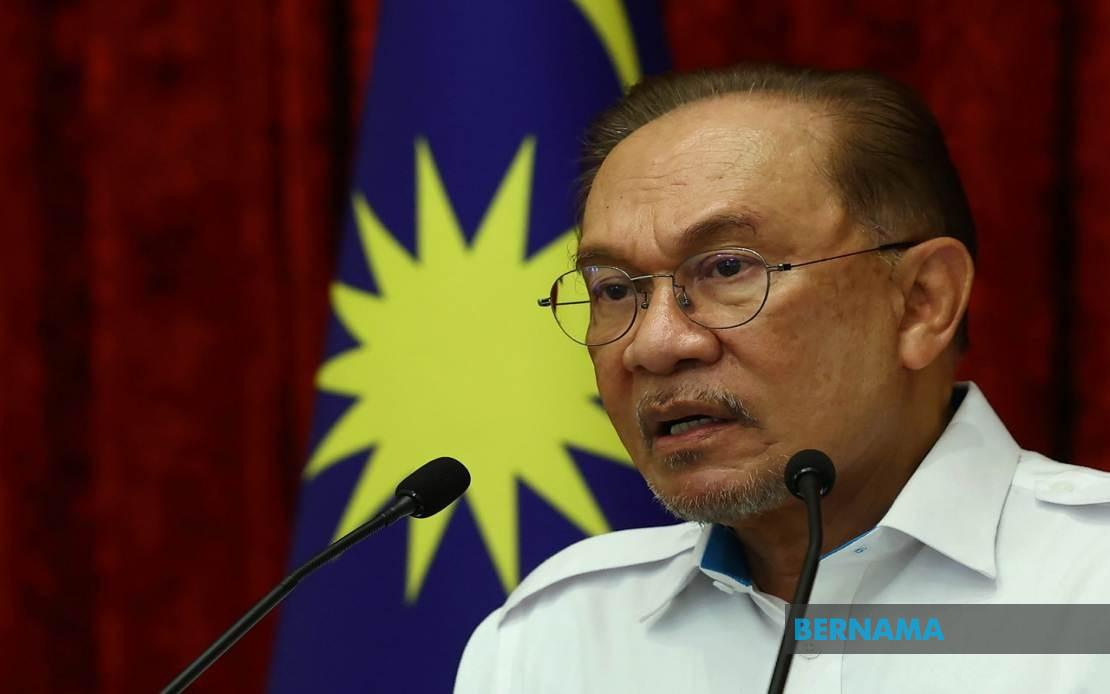
Prime Minister Datuk Seri Anwar Ibrahim has conveyed his regrets over being unable to participate in a Special Sitting of the Dewan Rakyat convened to examine the findings of the Royal Commission of Inquiry into Tabung Haji, the federal Islamic pilgrimage fund. Through his senior press secretary Tunku Nashrul Abaidah, the Prime Minister expressed his wish that the debate would proceed without impediment and underscored his intention to stay informed of developments from his place of recuperation.
Anwar's absence marks an unusual occurrence for a sitting Prime Minister during parliamentary proceedings on a matter of significant institutional importance. The Tabung Haji RCI investigation has been closely watched by the Muslim community and Malaysian society broadly, as the fund manages the savings and pilgrimage arrangements for hundreds of thousands of Malaysians preparing for the Islamic hajj. The commission's findings carry implications not only for the fund's governance structure but also for public confidence in institutions entrusted with managing community assets and religious obligations.
The Prime Minister is presently undergoing a period of medical recuperation following an elective surgical intervention. According to his medical team head, Datuk Dr Asri Ranga Abdullah Ramaiah, Anwar underwent a laparoscopic procedure to address a para-umbilical hernia, a minimally invasive approach that typically allows for faster recovery compared to traditional open surgery. Despite the surgical intervention, his condition is described as stable and improving, with the medical team continuing to supervise his rehabilitation through physiotherapy sessions.
The timing of the Dewan Rakyat debate coincides with the Prime Minister's birthday, as he turned 79 the previous day. Through his office, Anwar acknowledged the widespread prayers and well-wishes from the public, members of his administration, and his political colleagues who have expressed concern for his health during this period. This expression of gratitude reflects the broader public interest in his wellbeing and demonstrates the personal dimension often accompanying high-level political absences.
Anwar's commitment to remain engaged with parliamentary business despite his physical absence signals the government's determination to proceed with legislative matters deemed urgent or pressing. The decision to hold a Special Sitting specifically for the RCI debate indicates that the findings warrant immediate attention from lawmakers and the broader parliament. By confirming his intention to follow the debate closely, the Prime Minister seeks to maintain institutional continuity and preserve his oversight authority while recovering.
The Royal Commission of Inquiry into Tabung Haji represents a significant governance accountability exercise. For Malaysian citizens, particularly the Muslim majority, the fund holds particular cultural and religious significance. Tabung Haji serves approximately 14 million members and holds billions of ringgit in accumulated savings earmarked for pilgrimage expenses and related purposes. Any findings emerging from the RCI will likely influence future regulatory frameworks, management practices, and public trust in the institution's stewardship of these resources.
The parliamentary debate itself will provide lawmakers with an opportunity to examine the RCI's conclusions and recommendations in detail. Members from both government and opposition benches may raise questions about the fund's investment strategies, administrative efficiency, governance safeguards, and whether systemic improvements have been implemented since the commission completed its work. The absence of the Prime Minister, while understandable given his medical circumstances, may reduce the political visibility of the government's response, though his office's assurances that he will monitor proceedings suggest active engagement behind the scenes.
For the broader Southeast Asian context, Malaysia's approach to ensuring accountability through a royal commission while maintaining operational continuity reflects established democratic practices. The region has witnessed varying approaches to institutional governance and accountability, making Malaysia's transparent engagement with independent commissions a notable example. The handling of sensitive reports touching on religious institutions also demonstrates how mature democracies can balance institutional reform with respect for community sensitivities.
The medical team's statement emphasizing that Anwar's health is improving and that physiotherapy remains ongoing suggests a deliberate timeline for his return to full duties. Laparoscopic procedures, while minimally invasive, still require adequate recovery time, and the involvement of medical specialists indicates careful management of his wellbeing. Government operations will continue under the existing administrative framework, with the Prime Minister's office maintaining its functional capacity to support broader governmental functions while he recovers.
As Malaysia navigates the implications of the Tabung Haji RCI findings, the Prime Minister's remote engagement with parliamentary proceedings demonstrates the resilience of democratic institutions and the capacity of government to function effectively even when its chief executive is temporarily incapacitated. The outcome of today's debate and any subsequent policy adjustments arising from the RCI report will likely shape the fund's trajectory for years to come, affecting the retirement and pilgrimage planning of millions of Malaysians.

