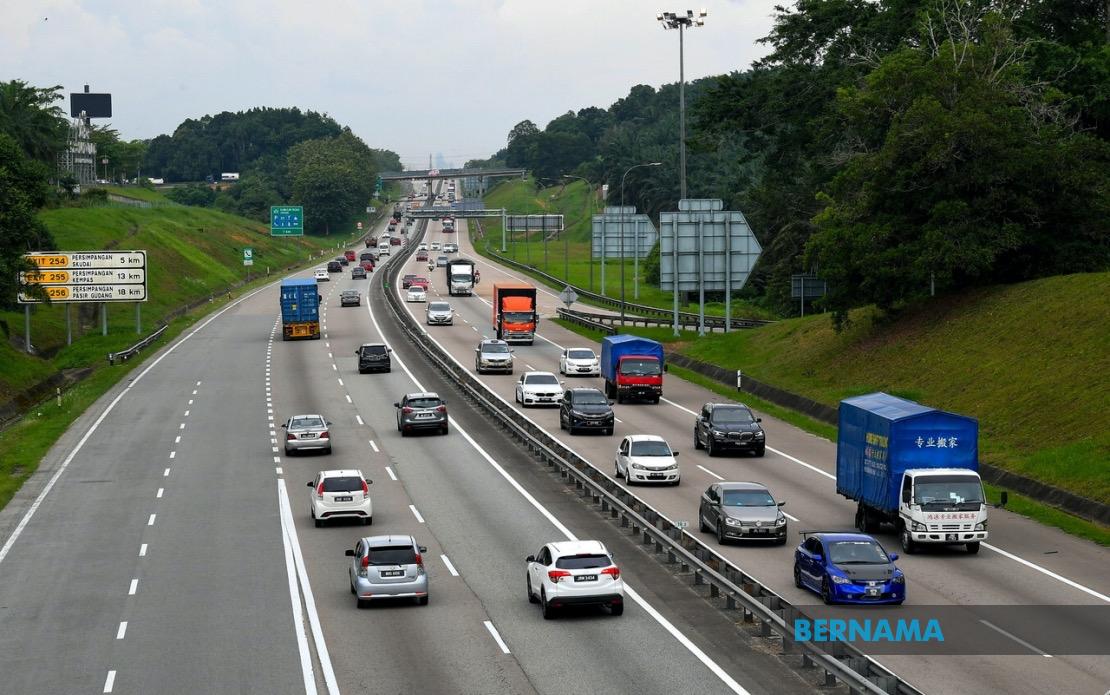
PLUS Malaysia Berhad is preparing for a significant surge in traffic volume as the nation gears up for National Day festivities and the concurrent school holidays. The toll highway operator expects daily vehicle movements to peak at 2.2 million across its network during the critical travel periods of August 28 to 31 and September 4 to 7, representing one of the busiest stretches on Malaysian roads throughout the year.
To manage this anticipated congestion, PLUS is urging road users to adopt smarter travel planning practices rather than clustering on the highways during conventional peak hours. The company has rolled out the MyPLUS-TTA (Travel Time Advisory) feature through its dedicated mobile application, which provides real-time travel schedule recommendations designed to distribute vehicle flow more evenly across the operating window. This data-driven approach represents a shift toward encouraging voluntary traffic staggering, allowing travellers to choose departure times that minimise their exposure to the heaviest congestion points.
The digital advisory system offers far more than simple timing recommendations. Through the PLUS App, users gain access to live traffic monitoring, emergency assistance capabilities via the integrated SOS function, instant notification of incidents affecting their route, estimated toll fare calculations, and comprehensive mapping of rest and service areas. Additionally, the platform identifies electric vehicle charging stations along the corridors, catering to the growing segment of EV-dependent travellers who must factor charging stops into longer journeys. This integrated information ecosystem aims to reduce traveller anxiety and improve decision-making before and during trips.
On the operational front, PLUS has significantly ramped up its human resources deployment across toll collection points and rest areas. The company's traffic patrol division, known as PLUSRonda, will operate with enhanced presence and frequency throughout the holiday period. Meanwhile, the central Traffic Monitoring Centre will maintain continuous surveillance of highway conditions, enabling swift response coordination with emergency services. This layered approach combines technology and personnel to address problems as they emerge rather than relying solely on reactive measures.
A particularly innovative intervention involves the activation of Smart Lanes at 33 strategically selected locations throughout the network. These designated lanes offer flexible capacity management, allowing PLUS to open additional lanes during peak congestion periods. However, Smart Lane usage demands heightened driver attention and reduced speeds due to the dynamic nature of these corridors. The company has issued stern warnings against misusing emergency lanes outside authorised Smart Lane zones, emphasising that violators face legal consequences. This distinction is critical for road safety, as improper emergency lane usage creates hazardous conditions and defeats the purpose of dedicated emergency corridors.
Coordination with multiple government agencies forms another pillar of PLUS's preparedness strategy. The Royal Malaysia Police (PDRM), Road Transport Department (JPJ), Malaysian Highway Authority (LLM), and supporting agencies will work in concert with PLUS to ensure rapid incident response and resolution. This inter-agency collaboration is essential for managing accidents, vehicle breakdowns, and other roadway emergencies that could otherwise cascade into widespread delays affecting hundreds of thousands of travellers.
Recognising that extended journeys strain both passengers and facilities, PLUS has enhanced maintenance protocols at rest and service areas nationwide. Special attention has been directed toward cleanliness standards, comfort amenities, prayer facilities, and sanitation infrastructure. These upgrades acknowledge the reality that comfortable rest stops encourage drivers to take necessary breaks, ultimately reducing fatigue-related accidents—a critical safety concern during high-volume travel periods when tired drivers pose significant risks to themselves and fellow road users.
PLUS is also encouraging vehicle owners to conduct pre-journey mechanical inspections, addressing a preventive safety measure often overlooked by holiday travellers. Beyond vehicle readiness, the company reminds users to verify their Touch 'n Go card balance and e-wallet funding, as well as confirm that payment card links on the JustGO app remain active. These administrative preparations prevent unnecessary delays at toll plazas and reduce friction points that compound during peak travel windows.
The messaging around driver behaviour reflects a comprehensive safety agenda extending beyond congestion management. PLUS has issued standard reminders regarding speed limit compliance, maintaining safe following distances, avoiding mobile phone usage while driving, and utilising rest areas proactively before fatigue becomes dangerous. These fundamental traffic safety principles become more critical during holiday periods when road usage spikes and traveller patience typically diminishes.
For Malaysian travellers and logistics operators planning movements during this peak period, the available resources suggest PLUS has invested substantially in anticipatory capacity and service delivery. However, the success of these preparations ultimately depends on user cooperation with traffic management suggestions and adherence to safety guidelines. The 2.2 million daily vehicle projection reflects normal holiday behaviour patterns; exceptional circumstances could push volumes higher, making distributed travel timing even more valuable.
Travellers requiring real-time assistance can contact PLUSLine at 180088-0000, while continuous traffic updates flow through the PLUS App and the company's official social media channels. For regional Southeast Asian observers, PLUS's sophisticated approach to holiday traffic management demonstrates the infrastructure challenges facing increasingly motorised societies in the region, particularly during culturally significant holidays that compress travel demand into concentrated windows.

