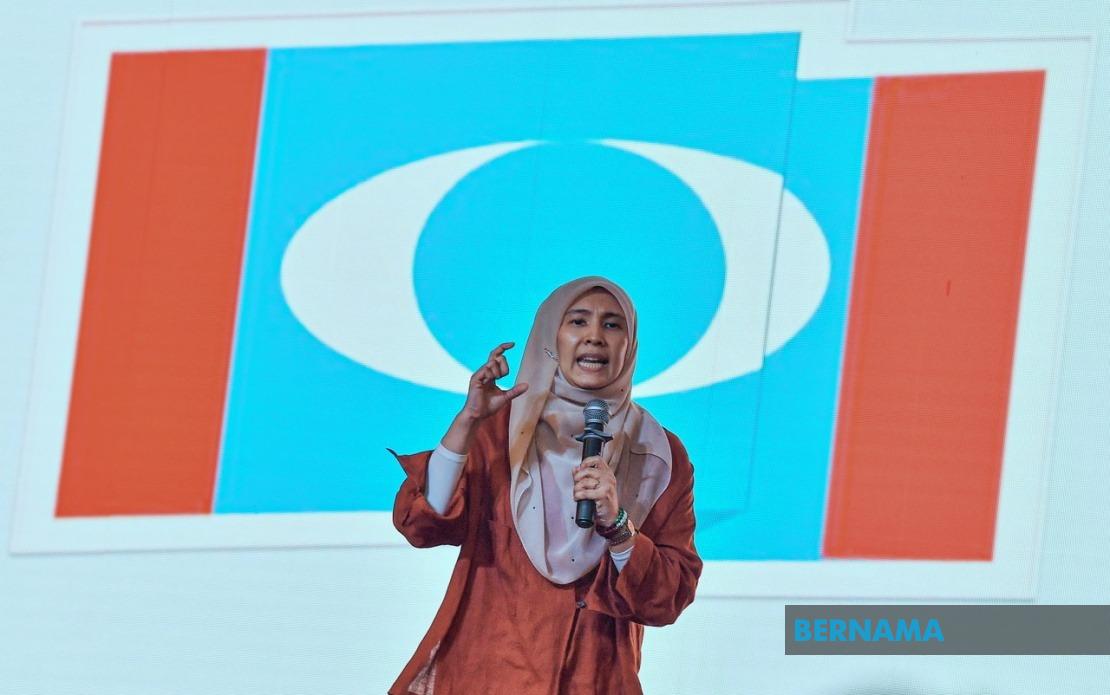
The People's Justice Party (PKR) leadership has granted Deputy President Nurul Izzah Anwar a period of temporary leave from her duties, a decision that marks a significant administrative shift within the coalition partner of Malaysia's ruling government. The move, approved by the party's Central Leadership Council during a meeting in Kuala Lumpur, becomes effective after the 2026 PKR National Congress, scheduled for August 15 to 16 in Melaka, with the exact return date to be determined at a later stage.
PKR Information Chief Datuk Seri Fahmi Fadzil announced the decision following deliberations that took into account Nurul Izzah's formal request to relinquish her position. The arrangement reflects an internal process that prioritises both the Deputy President's personal circumstances and the party's operational continuity during a critical period of political activity. Fahmi, who concurrently serves as Malaysia's Minister of Communications, emphasised that the decision emerged from consultations with both Nurul Izzah and the broader senior leadership structure.
Vice-President Datuk Seri Saifuddin Nasution Ismail will assume interim responsibility for the Deputy President's portfolio, ensuring that the party maintains uninterrupted administrative function across its upper echelons. This temporary arrangement preserves the hierarchy's stability while accommodating Nurul Izzah's need for respite from her official commitments. The transition maintains the party's structural integrity during a period when PKR faces important organisational tasks and ongoing political developments in the lead-up to the 2026 congress.
Notably, Nurul Izzah will retain a ceremonial role in the immediate term, presiding over the PKR Women's and Youth Wing congresses scheduled for August 14. This participation underscores that her leave is administrative rather than absolute, allowing her to discharge symbolic leadership duties before stepping back from substantive operational responsibilities. The arrangement suggests a careful calibration designed to avoid disruption to important party constituencies while accommodating her request for reduced engagement.
The PKR Central Leadership Council simultaneously restructured the party's election operations, formally assigning full responsibility for the Election Director role to another Vice-President, Datuk Seri Amirudin Shari. This redistribution of portfolios indicates a broader consolidation of duties among senior figures, reflecting either anticipated workload increases or strategic repositioning within the party's internal governance framework as PKR navigates the complexities of Malaysian coalition politics.
The council also reviewed performance in recent state-level political contests, accepting and acknowledging the outcomes of Johor and Negeri Sembilan state elections. In relation to Negeri Sembilan, the party expressed formal gratitude to former Menteri Besar Datuk Seri Aminuddin Harun for his tenure spanning two terms in that capacity. This acknowledgment of his service represents a courteous recognition of his contribution to PKR's presence at the state level, even amid electoral developments that did not necessarily favour the party.
For Malaysian political observers, the timing of these internal adjustments carries implications given PKR's position within the federal coalition government. The party remains a crucial component of the ruling alliance, and stability in its command structure supports broader government continuity. Nurul Izzah Anwar's status as the daughter of Prime Minister Anwar Ibrahim adds another dimension to her leave, potentially suggesting that family-related considerations or personal development priorities may underpin her request. Her stepping back, even temporarily, does not diminish her longer-term relevance to party succession dynamics.
The party welcomed 3,533 new members into its ranks during the registration period extending from mid-July through August, demonstrating ongoing recruitment momentum. This expansion of the membership base suggests that despite internal restructuring, PKR maintains capacity to attract fresh participation and broaden its grassroots footprint. Such membership growth typically supports organisational vitality and provides the party with additional human resources for campaigning and community engagement activities.
The administration and implementation of this temporary leave arrangement will inevitably be monitored closely by both PKR's internal factions and opposition political rivals. Any extension beyond the announced timeframe or modifications to the interim arrangements could generate speculation about succession planning or internal tensions. However, the formal decision-making process and transparent communication by party leadership suggest an orderly transition designed to minimise political controversy.
Looking toward the immediate future, the 2026 PKR National Congress in Melaka will serve as a critical milestone, marking the point at which this temporary arrangement takes formal effect. The congress itself provides an opportunity for the party to assess its strategic direction, renew its commitment to party members and supporters, and establish a platform for senior leadership figures to articulate their visions for PKR's trajectory. Nurul Izzah's ceremonial participation in the preparatory wing congresses maintains her visibility within party structures during this transition period.
For the broader Malaysian political landscape, this development underscores that even ruling coalition parties require internal administrative adjustments and that senior figures occasionally need respite from intensive responsibilities. The succession of interim duties to other senior figures ensures that essential party functions continue uninterrupted, preventing any vacuum that could destabilise PKR's standing or jeopardise its contributions to government stability. The resolution demonstrates mature institutional management within the party's central leadership.
The implications for Southeast Asian politics remain modest but noteworthy—PKR's leadership transition reflects democratic party processes operating within Malaysia's political system. As the region's democracies continue to evolve and mature, examples of orderly internal party administration and transparent communication about leadership changes contribute to broader patterns of institutional stability. Whether Nurul Izzah's leave becomes permanent or is eventually concluded will likely depend on personal circumstances that remain private and deliberations among senior PKR figures that unfold away from public scrutiny.

