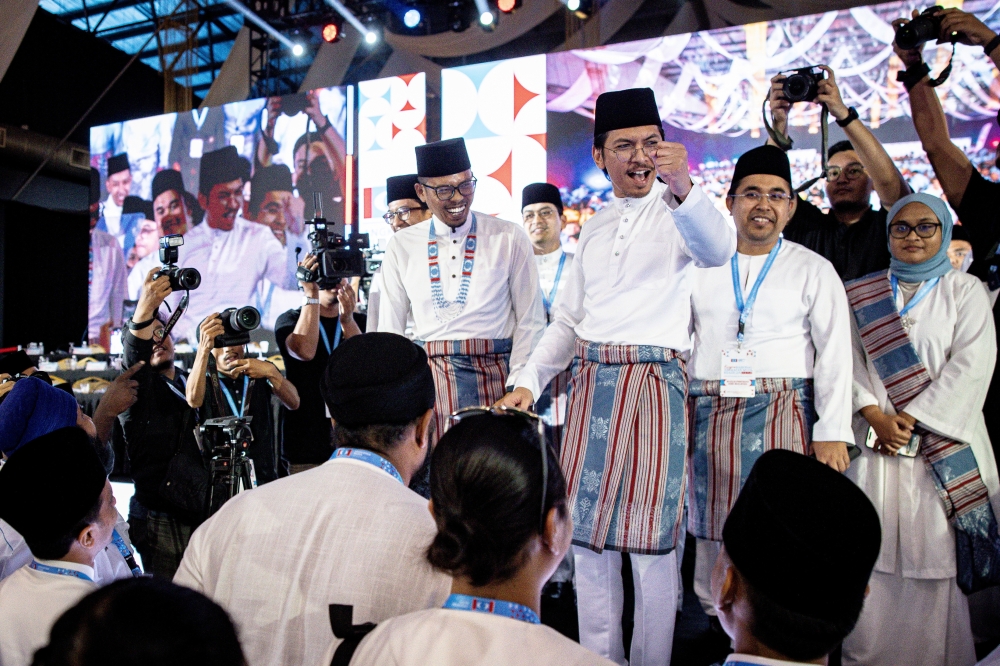
PKR Youth has voiced its backing for Prime Minister Datuk Seri Anwar Ibrahim's pledge to repeal the Universities and University Colleges Act, positioning the move as an essential step towards liberalising Malaysia's tertiary education landscape. The party wing has simultaneously urged students across the country to seize this opportunity by articulating their perspectives on what constitutes meaningful reform in the higher education sector, framing student participation as integral to shaping the future trajectory of Malaysia's universities and colleges.
The commitment to repealing the Universities and University Colleges Act represents a significant policy departure for the current government. The legislation, which has governed Malaysia's public universities and university colleges for decades, has long been a source of contention among student advocates, academics, and civil society organisations who argue that its restrictive provisions constrain institutional autonomy and limit student freedoms. By signalling its intention to dismantle this framework, the administration has acknowledged growing pressure to reimagine how Malaysian higher education institutions operate and relate to their student populations.
PKR Youth's endorsement carries particular weight given the party's positioning within the coalition government and its traditional appeal to younger voters. The youth wing's decision to actively campaign for student voices in this reform process suggests an attempt to mobilise grassroots support for the government's education agenda while simultaneously channelling youth activism into constructive engagement with policy development. This dual approach reflects broader efforts by the administration to appear responsive to young people's concerns whilst maintaining control over the pace and scope of institutional change.
The Universities and University Colleges Act has historically restricted student activism and political expression on campuses, with provisions that many observers contend have stifled democratic engagement among tertiary education populations. Repealing the act would potentially enable universities to establish their own governance structures around student participation, thereby allowing greater latitude for campus-based organising and advocacy. This prospect resonates particularly with students who view current restrictions as impediments to their ability to effect change within educational institutions.
Beyond the symbolic act of repeal, the substantive question of what regulatory framework replaces the current legislation remains critical. PKR Youth's call for students to articulate their vision for reform suggests an appetite for meaningful consultation, though whether such engagement translates into concrete policy changes remains uncertain. Historically, Malaysian governments have solicited public input on major initiatives while ultimately implementing frameworks that reflect bureaucratic preferences and security considerations rather than grassroots aspirations.
The timing of this announcement intersects with broader discussions about Malaysia's competitiveness in regional and global higher education markets. Neighbouring countries have implemented more liberal regulatory approaches to university governance, potentially attracting talent and investment away from Malaysian institutions. By signalling openness to reform, the government positions itself as modernising Malaysia's approach to education, though implementation timelines and the specific contours of replacement legislation will ultimately determine whether this represents genuine transformation or cosmetic adjustment.
Student engagement in this process carries potential risks and opportunities. Mobilised student movements could push for reforms that extend beyond the government's comfort zone, including demands for greater institutional autonomy that might conflict with national security apparatus concerns. Conversely, students who channel activism through official consultation mechanisms risk having their input diluted in bureaucratic processes that ultimately serve state interests rather than educational stakeholders.
The repeal initiative also reflects evolving demographic and political realities within Malaysia. Younger voters have demonstrated greater receptivity to reform agendas, and education policy serves as a tangible domain where governments can demonstrate responsiveness to youth concerns. By appearing to champion student interests through the UUCA repeal, the administration cultivates political capital among tertiary education populations whilst signalling commitment to modernisation across its policy portfolio.
For Malaysian universities and colleges, the removal of the current regulatory framework potentially enables institutional experimentation with governance models, academic freedom protections, and student participation mechanisms. However, the transition period carries risks of uncertainty regarding institutional authority, financial accountability, and the legal basis for administrative decisions. Clear guidance from relevant government ministries will be essential to ensure institutions can operate effectively during any transition to alternative regulatory frameworks.
PKR Youth's emphasis on broader reforms rather than narrow legislative change suggests awareness that repealing the Universities and University Colleges Act constitutes merely the beginning of comprehensive transformation. Meaningful reform would encompass curriculum development, financing mechanisms, institutional accountability structures, and the relationship between universities and national economic priorities. Students and other stakeholders will need to articulate how these elements interconnect to produce genuinely liberalised higher education systems capable of serving both individual aspirations and collective development objectives.
The success of this initiative will ultimately depend on whether PKR Youth and the broader government apparatus translate rhetorical commitment into sustained engagement with student movements and educational reformers. Historical precedent suggests that initial enthusiasm for change can diminish once implementation confronts practical, financial, and political obstacles. Maintaining momentum will require ongoing collaboration between government, institutions, students, and civil society actors committed to substantive educational transformation rather than symbolic gestures.

