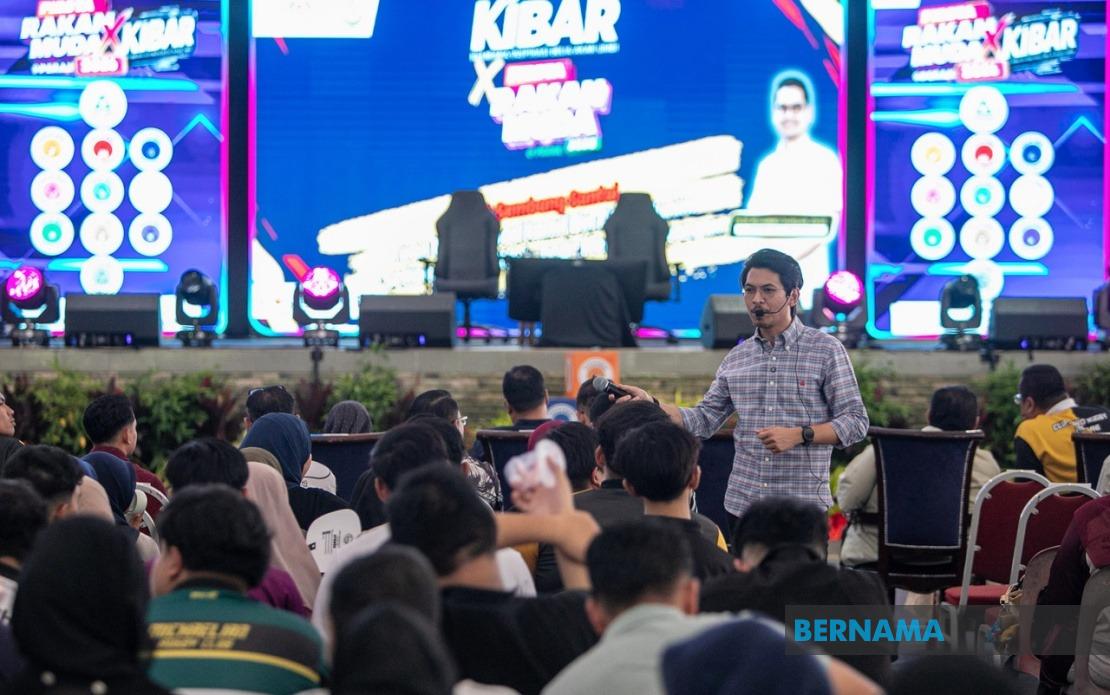
PKR Youth (AMK) has begun an intensive push to ready itself for the Melaka state election scheduled for December, with party officials emphasizing the need for a robust and well-coordinated campaign machinery. Muhammad Kamil Abdul Munim, the AMK chief, disclosed that the party's Melaka chapter has received explicit instructions to concentrate on two key areas: bolstering operational structures and expanding grassroots programming throughout the state. The initiative reflects broader coalition concerns about maintaining momentum ahead of a crucial state-level contest that could reshape political alignments in one of Malaysia's historically competitive regions.
Melaka holds particular significance within Malaysia's political landscape as a bellwether state where no single force has achieved overwhelming dominance. The state assembly's 15 seats will expire their constitutional term in December, triggering what election analysts expect to be a tightly contested three-way race. The timeline presents a compressed window for campaign preparation, requiring parties to accelerate internal organizational work while managing the complexities of multi-coalition politics within Pakatan Harapan (PH).
During remarks made in Kuala Kangsar at a Perak-level youth engagement session, Kamil stressed that current priorities center on ensuring election machinery reaches optimal operational readiness. His comments underscore AMK's recognition that grassroots execution often determines electoral outcomes in state contests, where voter mobilization and local community engagement typically outweigh national-level messaging. The youth wing's focus aligns with broader PH strategy of strengthening ground presence in state capitals, where demographic and local issue dynamics diverge significantly from national politics.
The 2021 Melaka state election results established the current baseline for understanding what lay ahead. Pakatan Harapan then secured five parliamentary seats—Kota Laksamana, Kesidang, Bandar Hilir, Bukit Katil, and Ayer Keroh—from the 28-seat assembly, capturing roughly 18 percent of available seats. Barisan Nasional dominated with 21 seats, while Perikatan Nasional claimed two, reflecting voter fragmentation across three distinct political blocs. Those outcomes suggested that winning state control would require either substantial vote consolidation or complex post-election negotiations.
Preparing for a contest where PH holds such limited ground presence requires comprehensive organizational investment. Kamil indicated that the youth wing intends to deploy expanded programming across Melaka to deepen voter contact and strengthen party identification among younger demographics. This approach recognizes that state-level politics often hinges on localized issues—housing affordability, education access, employment opportunities—where young voters possess particular stakes in policy outcomes.
Regarding candidate selection and seat allocation within PH's three-party structure, Kamil acknowledged that those determinations remain pending discussion among coalition leadership bodies. The coalition model demands negotiation between Pakatan Rakyat (PKR), Democratic Action Party (DAP), and Amanah to distribute contested seats, a process that typically consumes significant organizational bandwidth. Delaying final candidate announcements until leadership consensus emerges reflects standard PH procedure, though it compresses the period available for individual campaigns to establish voter awareness and fundraising.
The KIBAR (Kembara Inspirasi Belia Akar Umbi) programme cited by Kamil provides one vehicle through which AMK intends to expand youth participation in election preparations. The event, organized under the Youth and Sports Ministry framework, drew more than 600 participants aged between 15 and 30 during its Perak iteration, creating platforms where young people directly engage political leadership on policy concerns. Such programs serve dual functions: mobilizing youth activism while generating grassroots feedback that informs campaign messaging and candidate positioning.
For Malaysian observers tracking multi-constituency state dynamics, Melaka's December election represents a test case in whether PH can rebuild organizational capacity following internal strains that have affected other state operations. The coalition's ability to coordinate resources, execute coherent messaging, and field candidates who resonate with local constituencies will significantly influence not only Melaka's political composition but also coalition confidence heading toward potential national electoral contests. Kamil's emphasis on systematic preparation suggests PH recognition that ad-hoc campaigning and legacy vote banks prove insufficient in contemporary state politics.
The three-way competitive structure creates opportunities for insurgent campaigns and realigned voting patterns. Younger voters particularly may prove susceptible to messaging that criticizes incumbent performance or emphasizes alternative development visions, making AMK's youth-focused mobilization strategically relevant. State elections increasingly function as referendums on governance quality at local levels, where bread-and-butter issues often override national party allegiances.
PKR's commitment to intensified preparations also reflects party assessments about potential coalition reconfiguration within Melaka politics. Should PH improve its 2021 seat performance substantially, it might position itself as a coalition partner more attractive to independent candidates or smaller parties seeking post-election political alignment. Conversely, failure to demonstrate organizational vibrancy and campaign momentum could reinforce perceptions of coalition decline, potentially affecting PKR's standing within broader PH structures and national political calculations.
The December timeline means that PKR Youth's current acceleration phase will extend through the latter half of 2024, providing approximately five months for grassroots consolidation before formal campaigning intensifies. During this period, AMK intends to complete organizational scaffolding, finalize candidate identification within coalition frameworks, and establish community contact networks across all parliamentary constituencies. Success in these preparatory stages often determines whether campaigns can execute effectively during the final intensive weeks preceding polling.
For Southeast Asian observers tracking Malaysian state politics, Melaka's upcoming election exemplifies broader regional patterns in which multi-party competition, coalition management, and localized governance issues increasingly structure electoral outcomes. The state's traditional significance as a swing constituency means that political movements viewing Malaysia's overall direction pay close attention to Melaka results as potential indicators of shifting voter sentiment and emerging political realignments.

