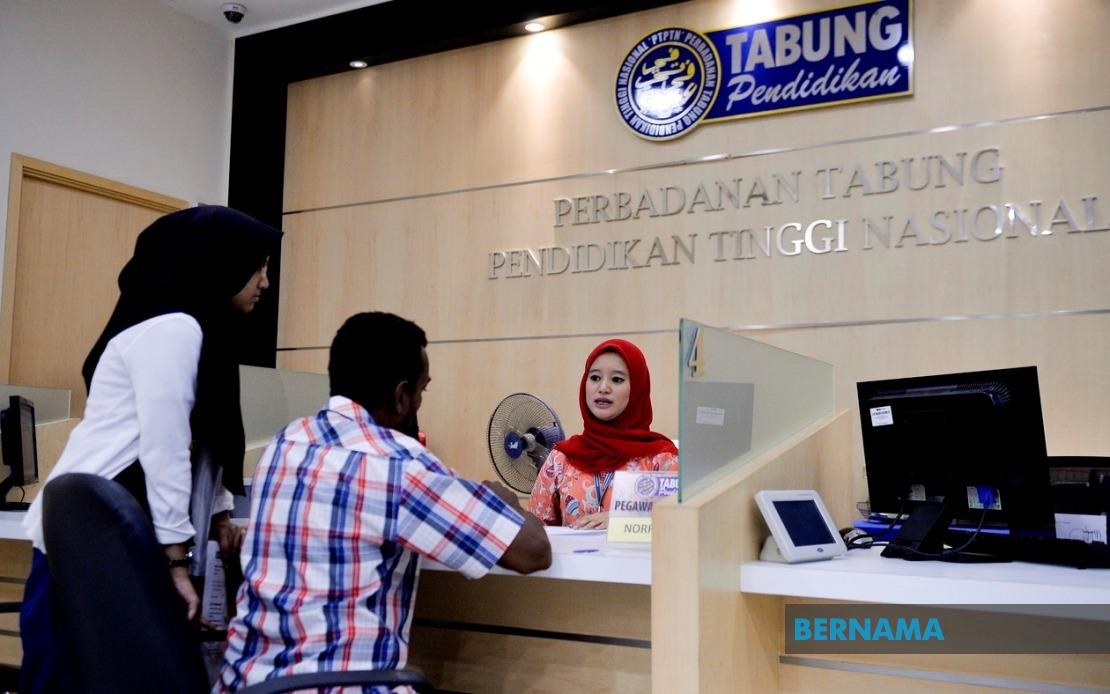
The Women's Wing of Parti Keadilan Rakyat has launched a forceful campaign to overhaul how the National Higher Education Fund Corporation manages borrower repayments, specifically targeting the institution's reliance on third-party debt collection agencies and demanding a more borrower-friendly approach. According to executive committee member Karen Kasturi, the organisation's central leadership believes the government must act with urgency to dismantle the existing system's most punitive elements, even as broader discussions about PTPTN's future direction continue at the cabinet level.
The 15 per cent debt collection agency fee has become a particular point of contention within PKR's women's faction. Kasturi articulated how this surcharge compounds the financial distress experienced by borrowers already struggling to meet their obligations, effectively functioning as a penalty that discourages rather than encourages settlement attempts. When combined with lump-sum payment requirements reaching 50 per cent of outstanding balances, the accumulated charges create what the party characterises as an unjust double burden, making loan resolution financially prohibitive for many Malaysians who obtained education financing in good faith.
What distinguishes this intervention from routine opposition criticism is PKR Wanita's framing of the issue as a matter of immediate economic justice rather than ideological objection. Kasturi emphasised that while the government's stated intention to examine PTPTN's long-term viability represents positive movement, countless existing borrowers require relief now, not after months or years of policy deliberation. This temporal urgency reflects the real-world impact on household budgets across Malaysia, where PTPTN loan repayment represents a substantial monthly obligation for tertiary education graduates already navigating inflation and rising living costs.
A critical procedural complaint underpins the women's wing's campaign: the alleged contradiction between PTPTN's official guidance and actual practice. Borrowers seeking to restructure repayment arrangements have reportedly been directed toward the corporation's formal channels, only to subsequently encounter redirection to debt collection agencies without transparent explanation or opportunity for direct negotiation. This administrative opacity compounds the financial hardship, as confusion about legitimate options often paralyses borrowers who would otherwise pursue restructuring. Kasturi's statement highlights how institutional inconsistency erodes confidence in the system and undermines voluntary compliance from borrowers acting in good faith.
The structural vulnerability of B40 and M40 group borrowers features prominently in the women's wing's analysis. These lower and lower-middle income earners represent a substantial proportion of PTPTN's portfolio, having accessed education financing precisely because their family backgrounds precluded alternative funding sources. Yet the current recovery mechanisms appear designed with insufficient consideration for income volatility, employment precarity, and competing household obligations that characterise economic reality for these groups. Kasturi's call for targeted assistance and restructuring flexibility reflects recognition that one-size-fits-all debt collection approaches are fundamentally mismatched to borrower demographics.
The intersection between PTPTN repayment enforcement and Employees Provident Fund withdrawal represents another dimension of the concern raised by PKR Wanita. When government policy permits EPF drawdowns for PTPTN settlement, borrowers face the prospect of retirement savings erosion compounded by intermediary charges and collection fees. This mechanism effectively transfers responsibility for PTPTN performance from government revenue to workers' personal retirement security, whilst intermediary charges further diminish the net benefit to both borrowers and their future financial security. The women's wing correctly identifies this dynamic as creating multiple layers of financial jeopardy.
Prime Minister Datuk Seri Anwar Ibrahim's recent acknowledgment that PTPTN abolition or restructuring warrants cabinet-level discussion provides the political opening that PKR Wanita has seized. By advocating for immediately implementable reforms whilst broader strategic discussions continue, the organisation positions itself as practically solution-oriented rather than merely oppositional. This approach acknowledges the complexity of dismantling a significant higher education financing institution whilst refusing to accept ongoing harm to current borrowers as an inevitable consequence of policy deliberation.
The timing of this intervention reflects growing public discontent with PTPTN's operational structure, evident particularly during recent state election campaigns where the fund's future became a constituency concern. Kasturi's reframing of borrowers from "debtors" to "Malaysians pursuing legitimate opportunity" represents an important rhetorical repositioning that challenges the punitive moral framework underlying current collection practices. This language choice matters because it establishes that education financing represents social investment rather than commercial debt, fundamentally altering how policy-makers should conceptualise recovery mechanisms.
Higher Education Minister Datuk Seri Dr Zambry Abd Kadir now faces explicit pressure from within the ruling coalition to prioritise borrower relief measures before comprehensive PTPTN reform emerges. The women's wing's demands are technically achievable without requiring legislation or massive budget reallocation—fee elimination and procedural changes represent administrative actions within ministerial authority. This feasibility distinction makes resistance to the proposals politically costly, as rejecting modest immediate relief whilst undertaking longer-term review appears unnecessarily punitive.
The broader policy context reveals tension between Malaysia's human capital development objectives and its debt recovery mechanisms. A national commitment to expanding tertiary education participation necessarily creates obligations toward borrowers when economic circumstances prevent timely repayment. Current PTPTN practices suggest these obligations have been systematically subordinated to collection efficiency metrics, a misalignment PKR Wanita now explicitly challenges. Whether Higher Education Ministry officials embrace or resist this reframing will substantially influence whether Malaysia's education financing system evolves toward greater equity or continues reinforcing financial barriers for graduates from disadvantaged backgrounds.

