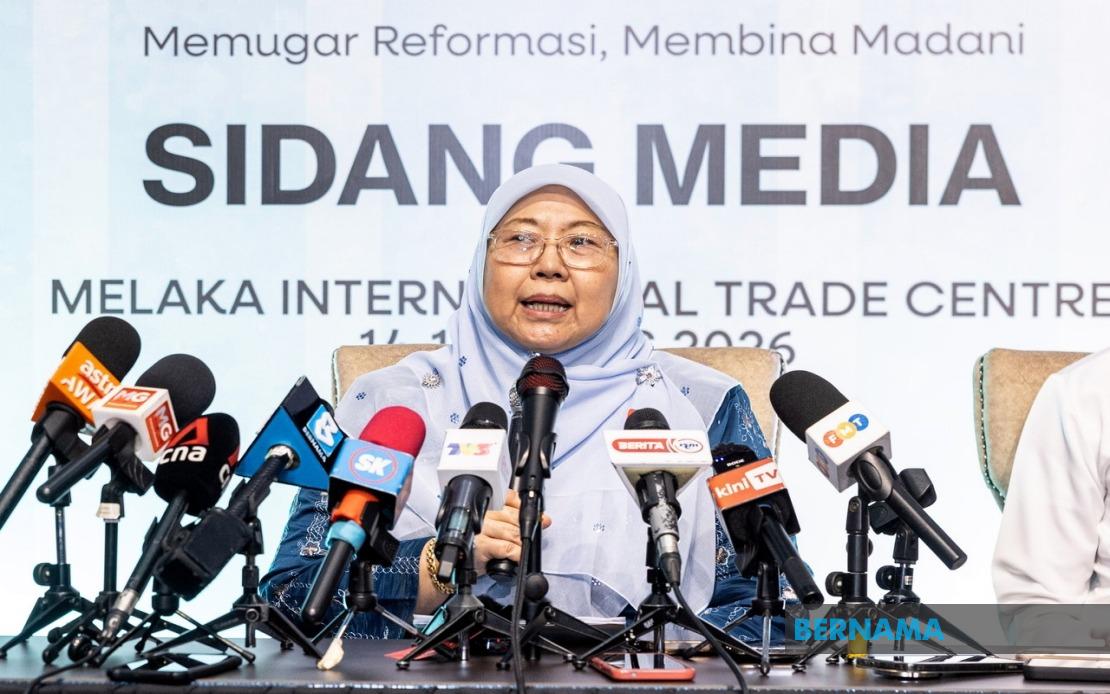
Parti Keadilan Rakyat has adopted a flexible approach to managing the absence of its deputy president Nurul Izzah Anwar, who intends to undertake further academic studies while maintaining her party role through the conclusion of the upcoming National Congress. PKR secretary-general Senator Datuk Dr Fuziah Salleh clarified at a media gathering in Melaka that the party has deliberately avoided imposing a specific timeframe for her departure, signalling institutional confidence in her capacity to balance personal development with future political commitments.
The decision to grant leave without a fixed return date reflects PKR's institutional maturity and recognition that top-tier party leadership sometimes requires sabbaticals for professional or personal growth. Fuziah's assurance that the party will welcome Nurul Izzah back to full responsibilities whenever she deems herself ready suggests PKR leadership views her development as an investment in the party's long-term capacity rather than as a disruption to immediate operations. This approach stands in contrast to more rigid organisational cultures where extended leave by senior figures might trigger succession planning anxieties or power vacuum concerns.
Nurul Izzah will remain in her official capacity through the 2026 National Congress of Angkatan Muda Keadilan and Wanita PKR, the party's youth and women's wings respectively, conducting the full ceremonial and substantive duties associated with her position during the three-day gathering. Her scheduled responsibilities encompass officiating key congress proceedings, participating in debate sessions, and delivering formal closing remarks—roles that underscore her continued centrality to party processes even as she prepares for her academic departure. This interim arrangement ensures the congress proceeds with full institutional gravitas while allowing Nurul Izzah to discharge her obligations without abbreviated participation.
Fuziah indicated that PKR president's keynote address at the congress would examine the party's ideological foundations, strategic direction, and institutional priorities going forward. The policy speech represents an opportunity for party leadership to communicate medium-term organisational goals to the broader membership and frame institutional reform initiatives that may reshape how the party operates. Congress delegates will retain agency in determining which motions reach the debate floor, including proposals aimed at strengthening party structures and governance arrangements.
The flexibility surrounding Nurul Izzah's departure carries implications for PKR's succession planning and internal power dynamics. As a prominent figure within the reformist coalition, her absence during an extended study period could create space for other senior figures to demonstrate leadership capabilities or consolidate influence within party structures. Conversely, her eventual return would reinforce her position within the party hierarchy, provided her academic pursuits enhance her professional credentials and expand her intellectual standing within progressive political circles.
From a broader Southeast Asian perspective, senior political figures pursuing advanced education or professional development remains relatively uncommon in the region, where political roles often demand uninterrupted presence. PKR's willingness to accommodate this trajectory suggests confidence in its institutional resilience and demonstrates a more cosmopolitan approach to managing leadership talent. This approach aligns with international best practices in knowledge-based organisations and may become increasingly relevant as younger, globally-educated politicians navigate roles requiring both local political engagement and international professional advancement.
Nurul Izzah's position as deputy president in a major opposition coalition carries substantial symbolic weight, particularly given her family connections and her own track record as a vocal advocate for democratic reform and social justice issues. Her temporary withdrawal from active party duties will test PKR's capacity to maintain policy coherence and delegate leadership responsibilities effectively across its wider organisational structure. The congress proceedings will provide the first comprehensive test of how smoothly the party functions during a transition period involving one of its most recognizable figures.
The statement from party leadership avoids specificity regarding Nurul Izzah's intended field of study or the likely duration of her academic pursuit, maintaining a degree of privacy around her personal educational goals. This discretion reflects a broader evolution in how Malaysian political organisations approach the personal development of their members, moving away from the assumption that public office demands total sacrifice of individual ambitions. For Nurul Izzah specifically, the absence of pressure to announce definitive timelines suggests the party respects her autonomy in charting her trajectory.
PKR's handling of this matter will inevitably inform how other major political parties in Malaysia and the wider region manage comparable situations involving senior figures. Should Nurul Izzah's sabbatical prove administratively seamless and she subsequently returns with enhanced credentials, the precedent could encourage other organisations to adopt more accommodating policies toward leadership development. Conversely, any organisational disruptions or challenges emerging during her absence might prompt more cautious approaches from rival parties.
The congress itself represents a significant moment for PKR to reaffirm institutional priorities and demonstrate organisational vitality ahead of electoral cycles and potential coalition restructuring. With Nurul Izzah present through its conclusion, the party ensures its most prominent women's leader participates fully in deliberations while maintaining the flexibility that modern political organisations increasingly require to retain talented figures navigating multiple professional and personal commitments.

