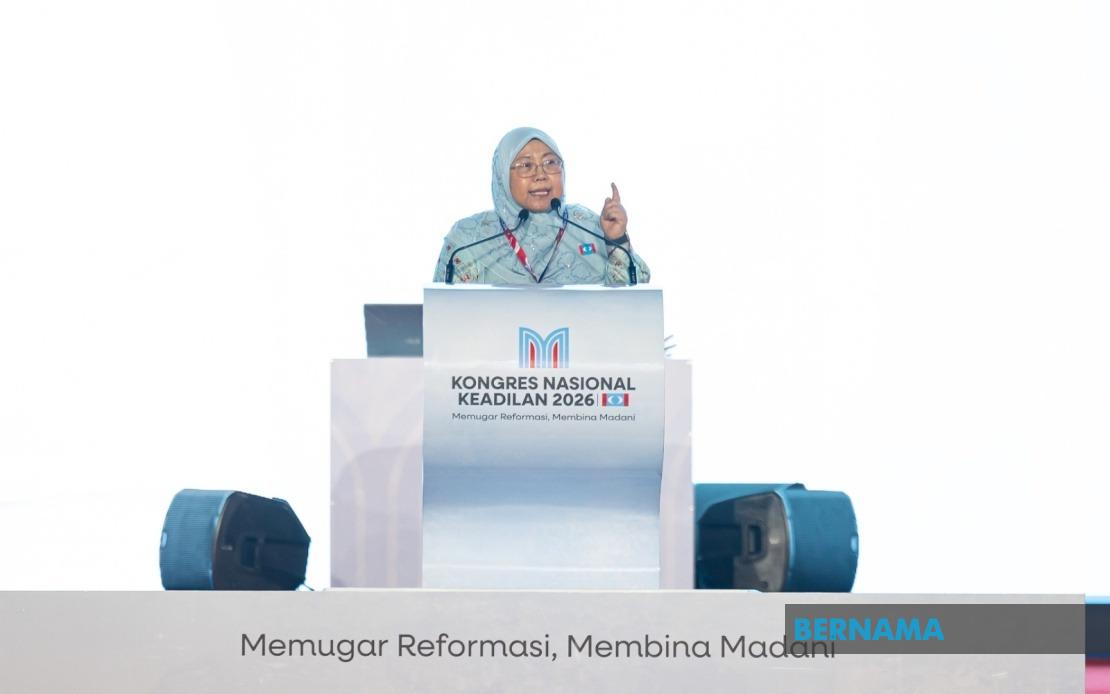
Parti Keadilan Rakyat's leadership has struck a reflective tone as the party convenes its 2026 National Congress in Melaka, with senior figures emphasizing the need for measured responses to recent electoral disappointments rather than recrimination or finger-pointing. Secretary-general Senator Datuk Dr Fuziah Salleh delivered the message during the opening of the gathering at the Melaka International Trade Centre in Ayer Keroh, cautioning members against using the congress as a venue for internal blame and retribution. Instead, she positioned the event as an opportunity for collective introspection and renewal, framing the party's current challenges within the broader context of its three-decade history.
Fuziah's remarks reflect broader anxieties within PKR following election cycles that have not produced the results party stalwarts anticipated. Rather than dwelling on these setbacks, she argued, members should draw inspiration from the party's demonstrated capacity to endure adversity and emerge stronger. Her historical reference proved particularly telling: she reminded the gathered delegates that PKR had weathered a far more severe crisis in the aftermath of the 2004 General Election, when the party secured just a single parliamentary seat. That defeat might reasonably have signalled the end of PKR's relevance in Malaysian politics, yet the party did not capitulate. Instead, it invested years in organizational renewal, grassroots mobilization, and sustained commitment to the Reformasi message, ultimately rebuilding itself into a major political force.
The congress brought together an unprecedented number of participants, with 2,594 delegates and more than 2,000 observers attending from across the country. The scale and international dimension of the gathering—marked by the presence of 26 diplomatic representatives from 19 nations, including six ambassadors—underscored the continued regional and international interest in PKR's trajectory. The turnout and diplomatic attendance suggested that despite recent electoral disappointments, PKR retains significant standing within Malaysia's political ecosystem and commands attention from foreign governments monitoring developments in the region.
Fuziah's emphasis on the congress theme, "Memugar Reformasi, Membina MADANI," carried particular weight given the party's need to reconnect with foundational principles. The Malay word "memugar" connotes revival and renewal, concepts she placed at the centre of PKR's contemporary challenge. The secretary-general explicitly rejected the notion that the party should construct entirely new ideological frameworks or abandon existing commitments. Rather, PKR should focus on refreshing and reinvigorating the original Reformasi vision that animated its founding, adapting that vision to contemporary circumstances while preserving its essential character.
For Malaysian observers, Fuziah's framing addresses a genuine tension within PKR. The party entered coalition arrangements with Pakatan Harapan and subsequently Pakatan Rakyat iterations, acquiring responsibility for governance and administration. This transition from opposition movement to governing partner necessarily altered PKR's political positioning and messaging. Members who joined the party during its early Reformasi years, when it operated primarily as a vehicle for systemic reform and dissent against established power structures, may experience cognitive dissonance when the party participates in conventional political compromises. Fuziah's emphasis on reviving rather than reinventing Reformasi ideals represents an attempt to acknowledge this tension without requiring the party to abandon its governing partnerships.
The secretary-general's historical perspective also carries implications for how PKR approaches the next electoral cycle. By emphasizing that the 2004 outcome represented the party's true nadir, she implicitly suggests that the party's current position, however disappointing, remains substantially stronger. This framing serves a psychological function within the organization, inoculating members against despair and defeatism. Yet it also contains an implicit warning: if the party failed to capitalize on the decades of rebuilding that followed 2004, and if recent elections have produced disappointing results, then the membership must undertake deeper analysis of why accumulated organizational strength has not translated into sustained electoral success.
For the broader Southeast Asian context, PKR's internal dynamics merit attention. As a major component of Malaysia's opposition coalition, PKR's health and coherence affect the overall competitive balance within Malaysian politics. The party's capacity to navigate electoral disappointments without fragmenting or abandoning its core constituencies will influence whether viable alternatives to dominant political coalitions can sustain themselves regionally. Malaysia's political trajectory, in turn, carries implications for democratic governance standards and competitive politics throughout Southeast Asia.
Fuziah's address also implicitly cautions against the factional disputes that sometimes emerge within opposition parties following electoral losses. The reference to members "pointing fingers, finding fault or retaliating" suggests that the party leadership recognizes vulnerability to internal recrimination. Opposition parties frequently experience intensified internal tensions after disappointing results, as members attribute failures to leadership decisions, strategic choices, or allocation of resources. By preemptively calling for maturity and perspective, Fuziah attempted to establish a normative framework within which the congress could proceed without devolving into destructive blame-assignment.
The congress agenda extended beyond retrospective assessment to forward planning. Delegates gathered specifically to "reassess the journey of the Reformasi struggle and strengthen the party's agenda in addressing current political changes and challenges." This formulation suggests that PKR intends to use the congress not merely as a venue for acknowledging difficulties but as a working forum for developing renewed strategic directions. The presence of substantial international diplomatic representation indicated that this reassessment would unfold under international observation, potentially affecting how PKR frames its positions on governance, democracy, and reform.
Fuziah's emphasis on collective learning and determination reflects the complex position Malaysian opposition parties occupy. They must simultaneously maintain internal cohesion, articulate compelling alternative visions to governing coalitions, and manage the disappointed expectations of members who anticipated stronger electoral performance. PKR's particular challenge involves doing so while remaining connected to its foundational Reformasi commitments, which originally inspired members to sacrifice stability and privilege for participation in a reform movement. Reconciling those original commitments with the compromises inherent in contemporary coalition politics represents an ongoing negotiation that the party cannot entirely resolve but must continuously navigate.
The 2026 congress thus represented more than routine party business. It functioned as a crucial juncture at which PKR's leadership attempted to guide the organization through a period of reflection and recalibration, establishing frameworks within which the party could process disappointment without fracturing. Whether these efforts would prove sufficient to restore member enthusiasm and rebuild electoral momentum remained an open question as the congress proceeded, but the leadership's insistence on maturity, historical perspective, and ideological revival suggested a determination to persist beyond temporary setbacks.

