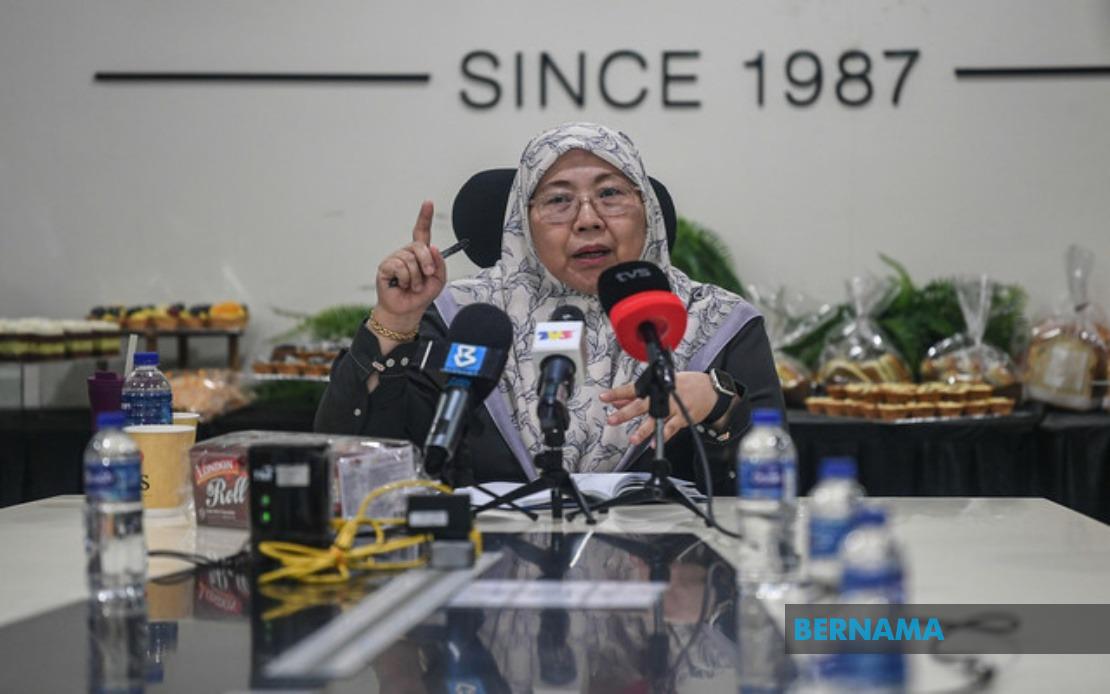
The departure of around 200 PKR members alongside former Johor PKR State Leadership Council vice-chairman M. Murugan to join MIC's Iskandar Puteri division has drawn commentary from party leadership, with PKR secretary-general Datuk Dr Fuziah Salleh describing the exodus as "rather strange" during remarks made in Johor Bahru on June 30. The timing of the defection, occurring just two weeks before voting in the Johor state election, raises questions about the underlying motivations driving members to switch allegiances during a politically crucial period.
According to internal party assessments reviewed by Fuziah, the fundamental driver of discontent among departing members centred on career advancement within PKR's organizational hierarchy. Members who left cited their disappointment at being overlooked for prominent roles and appointments, a grievance that reflects broader challenges facing political parties in managing expectations across their membership bases. This pattern of position-seeking as a motivation for party mobility is not uncommon in Malaysian politics, where internal advancement opportunities often serve as significant incentives for grassroots participation and loyalty.
Fuziah responded to the defections with measured commentary, extending wishes for the departing members' success in their new political home. Her remarks suggested a degree of acceptance regarding the departures, framing them as a natural consequence of unmet expectations rather than as a fundamental rejection of PKR's political platform or leadership direction. The secretary-general's public handling of the matter appeared designed to minimize the perception of crisis while acknowledging the reality of member attrition.
The Johor state election, scheduled for July 11 with early voting commencing on July 7, represents a critical test for Pakatan Harapan across 56 contested seats with 172 candidates in the running. The loss of approximately 200 members in the weeks preceding the election carries tangible implications for ground operations, particularly regarding grassroots mobilization and voter outreach efforts in constituencies where these defectors previously held organizational responsibility.
Beyond the immediate PKR defections, Fuziah addressed broader coalition dynamics involving PAS, which has intensified calls for voters to reject Pakatan Harapan entirely. The PAS president Tan Sri Abdul Hadi Awang's recent statements demanding electoral opposition to the coalition have become focal points in discussions about potential realignment among Malaysia's political groupings. Fuziah's observation that such declarations may signal attempted rapprochement between Barisan Nasional and PAS suggests deeper calculations about coalition formation extending well beyond the current state election cycle.
Perikatan Nasional's political strategy has similarly entered the calculus, with the coalition accused of attempting to poach Barisan Nasional supporters through carefully calibrated messaging. However, Fuziah contended that this approach carries significant risks for PN, particularly when viewed alongside PAS's recent public statements that may inadvertently undermine coalition cohesion. The secretary-general's assessment suggested that aggressive coalition rivalry could produce unintended consequences, exposing fault lines between PN's constituent parties rather than strengthening the bloc's electoral position.
Fuziah's analysis proposed that the apparent fragmentation and tactical positioning among opposition groupings ultimately creates strategic opportunities for Pakatan Harapan, despite the party's recent member losses. She argued that voters confronted with contradictory messaging and coalition instability from competing opposition forces may gravitate toward a coalition perceived as offering greater clarity and internal alignment. This perspective reflects confidence in PH's ability to capitalize on opponents' difficulties rather than concern about the party's own vulnerabilities.
The secretary-general's remarks, delivered during a working visit to SDS Food Sdn Bhd in Skudai, situated PKR's immediate electoral challenges within broader patterns of coalition competition and voter decision-making. Her emphasis on voters' need to "carefully assess the situation" before making choices in the election reflected an implicit acknowledgment that the political landscape confronting Johor voters has become increasingly complex, with multiple coalitions advancing competing visions and strategies.
The PKR defections must be understood within the context of Malaysian political dynamics where internal party advancement remains a significant motivator for sustained engagement. The decision by members to pursue opportunities within MIC rather than continuing their PKR participation illustrates how organizational career prospects can shape political mobility. For PKR, the challenge extends beyond merely replacing lost members to addressing the underlying structural factors that create dissatisfaction with appointment processes and advancement pathways.
Looking ahead to the election itself, the early loss of organizational capacity in key constituencies could prove consequential for PKR's overall performance, even if individual defectors do not represent ideological realignment. Fuziah's public comments appear designed to frame these losses as inevitable and manageable rather than as indicators of deeper party instability. However, the timing and scale of departures suggest that PKR's internal management challenges have been elevated by electoral pressures and the competitive environment surrounding the Johor state election.

