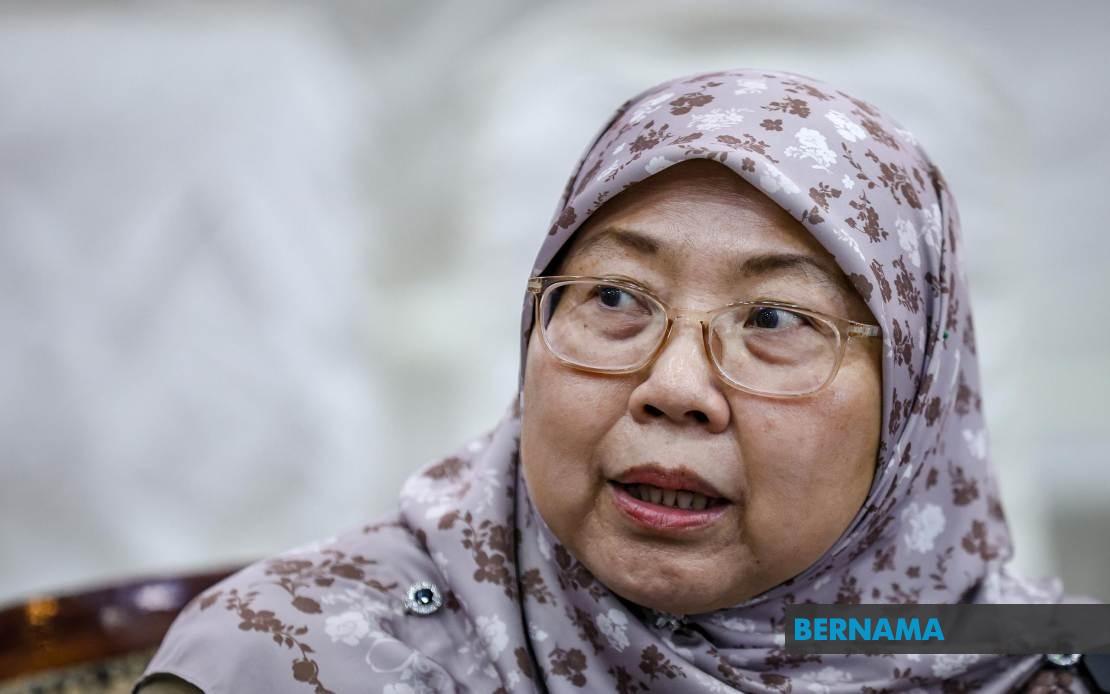
Parti Keadilan Rakyat (PKR) moved swiftly to distance itself from businessman Datuk Seri Nicky Liow Soon Hee this week, issuing an official statement confirming that he maintains no affiliation with the party. The clarification came after verification procedures were initiated in response to claims circulating across social media platforms that had linked the prominent business figure to the opposition party. PKR secretary-general Datuk Dr Fuziah Salleh announced the findings through a formal statement, effectively shutting down the narrative that had begun spreading online.
The origins of the confusion trace back to a photograph that gained traction on social media showing Liow wearing apparel belonging to Angkatan Muda Keadilan (AMK), the youth wing of PKR. The image sparked a wave of speculation and claims suggesting he held membership status within the party, lending credence to assertions made by various online commentators. Such viral moments frequently force political parties in Malaysia to issue clarifications, particularly when high-profile business personalities become inadvertently associated with their movements.
Dr Fuziah's statement emphasized that PKR had conducted thorough checks utilising the KEADILAN Membership System, their internal database for tracking registered members. The verification process produced definitive results: not only was Liow determined to have no current membership standing, but records also showed he had never formally submitted an application seeking to join the party at any point in time. This dual finding effectively closed the door on any lingering suggestions that he possessed some form of association with PKR structures or leadership.
The timing of this clarification carries particular significance given Liow's current legal circumstances. The businessman has faced serious criminal charges in Shah Alam Sessions Court relating to alleged participation in organised crime activities. Specifically, he stands accused of involvement with a syndicate known colloquially as the "Nicky Gang", alongside allegations of money laundering—serious charges that would ordinarily prompt political organisations to ensure clear distance from the accused individual.
For PKR, the need to issue such a statement reflects broader patterns in Malaysian politics where viral content can rapidly associate public figures with political parties, sometimes without factual basis. Opposition parties particularly face scrutiny regarding their membership rosters and the backgrounds of those affiliated with their movements. By proactively verifying and publicly announcing their findings, PKR sought to prevent misinformation from taking root or being weaponised by political opponents.
The incident also illustrates how social media in Malaysia has become a significant vector for political narratives, accurate or otherwise. A single photograph, particularly one showing someone in party regalia, can generate sufficient momentum online to warrant official responses from party leadership. The speed with which such claims spread underscores the challenge facing political organisations in managing their public image in the digital age, where context is frequently lost and allegations can circulate faster than factual rebuttals.
Liow's legal troubles have been substantial and closely followed in Malaysian media circles. The charges he faces carry significant consequences and reflect law enforcement's continuing focus on organised crime syndicates and financial crimes within the country. His legal situation makes any association with major political parties particularly sensitive, as such connections could invite unwanted scrutiny or accusations of impropriety directed toward the party involved.
PKR's swift response demonstrates institutional awareness of these dynamics. By confirming through formal systems that no membership existed and publishing these findings publicly, the party effectively insulated itself from potential future accusations of harbouring or protecting individuals facing organised crime charges. Such proactive measures have become standard practice for Malaysian political organisations seeking to maintain their reputational standing in the public eye.
The broader implications for Malaysian political discourse are noteworthy. The incident exemplifies how in an environment saturated with online content, political parties must maintain robust administrative systems and be prepared to defend their organisational integrity rapidly and convincingly. For voters and citizens following Malaysian politics, the episode underscores the importance of seeking verification through official channels rather than accepting social media claims at face value.
As Malaysia's political landscape continues evolving amid technological change and shifting patterns of information consumption, moments like these highlight the tension between rapid-fire social media allegations and the institutional processes through which parties maintain their membership records and make policy decisions. PKR's clarification represents a standard contemporary political response: swift, documented, and framed within their established administrative frameworks to counter potentially damaging misinformation at the earliest possible stage.

