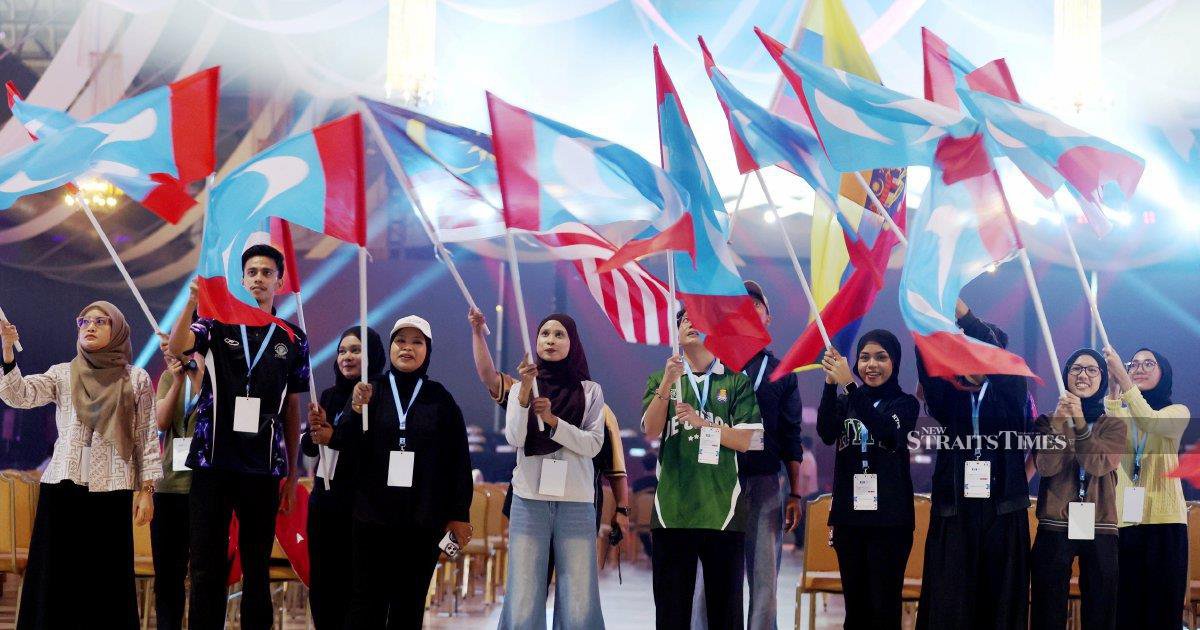
PKR faces a critical juncture as its delegates converge at the Melaka International Trade Centre in Ayer Keroh for a major congress, arriving against a backdrop of electoral disappointments and escalating internal turbulence that threatens to undermine the party's political momentum in Malaysia's fractious coalition landscape. The timing of this assembly proves particularly significant, as it coincides with fresh wounds from failed electoral bids in Johor and Negri Sembilan, outcomes that have exposed vulnerabilities in the party's campaign machinery and voter appeal in key states that remain strategically important to broader ruling coalition interests.
The electoral reverses in Johor and Negri Sembilan represent more than routine setbacks; they signal a troubling erosion of PKR's competitive capacity in regions where the party had previously mounted credible challenges. These losses arrive at a moment when Malaysia's political landscape has grown increasingly volatile, with voters demonstrating unpredictable preferences and reduced tolerance for fractious coalition partners. For PKR specifically, the defeats raise uncomfortable questions about the party's ability to deliver results in state-level contests that feed into national political calculations and power-sharing arrangements within the ruling government framework.
Beyond electoral mathematics, PKR confronts substantial internal strife that threatens to fracture party discipline at precisely the moment when unity would strengthen its negotiating position. Internal disputes within ruling coalition partners invariably attract media scrutiny and opposition opportunism, creating vulnerabilities that competitors readily exploit. The Malaysian electorate has demonstrated diminishing patience with coalition partners perceived as preoccupied with internal squabbles rather than delivering governance outcomes, a dynamic that PKR's current troubles exemplify.
The congress serves as a forum where party leadership must address delegate concerns about strategic direction, resource allocation, and candidate selection processes that may have contributed to recent electoral underperformance. These discussions will occur behind formal proceedings, as factions within PKR seek to advance particular narratives about what went wrong and how the party should recalibrate its approach. Senior party figures will face pressure to demonstrate that recent setbacks represent temporary adjustments rather than evidence of systemic decline in PKR's political appeal.
For Malaysian observers, PKR's difficulties carry broader implications for coalition stability. The party represents an important component of the ruling arrangement, and its weakness creates openings for opposition forces to pursue realignment strategies. Weakness in coalition partners also complicates governance coordination, as other coalition members grow less dependent on contribution to joint projects and more focused on competitive positioning ahead of the next general election cycle. This dynamic creates incentives for coalition partners to prioritise their own electoral prospects over collaborative problem-solving on national issues.
The congress also arrives amid Malaysia's broader political context, where state-level electoral outcomes increasingly shape national calculations and prime ministerial succession planning. PKR's performance in Johor and Negri Sembilan affects not only the party's internal standing but also the relative positioning of competing factions and potential leadership candidates within the organisation. Congress deliberations will inevitably touch upon questions about organisational direction, though such discussions typically remain coded within formal agenda items focused on party structure and policy platforms.
Internal strife within PKR reflects both recent electoral disappointments and longer-standing tensions about party direction and power distribution among senior figures. These divisions complicate the party's capacity to mount cohesive campaigns and present unified positioning on significant policy matters, vulnerabilities that opposition parties systematically attempt to weaponise. The party leadership enters the congress knowing that public displays of discord undermine voter confidence and provide fodder for critics questioning coalition partner reliability.
For PKR delegates, the congress represents an opportunity to reaffirm party commitment to core constituencies and policy platforms, though recent electoral outcomes have clearly tested confidence in current strategic approaches. Delegate sentiment will likely reflect frustration with recent results and demand for greater clarity about pathways toward electoral recovery. Party leadership will need to balance acknowledgement of legitimate concerns with efforts to maintain organisational cohesion and prevent factional disputes from deepening further.
The congress timing proves fortuitous in one respect: it provides a controlled environment for senior figures to address grievances and signal commitment to moving forward despite acknowledged difficulties. However, the effectiveness of such displays depends heavily on whether party leadership can translate congress rhetoric into concrete organisational changes that address underlying causes of electoral weakness and internal dissatisfaction. Malaysian political history demonstrates that internal unity statements often prove ephemeral without corresponding institutional reforms and clarity about future direction.
Looking forward, PKR's ability to recover from current challenges will significantly influence coalition dynamics and broader political stability in Malaysia. A party demonstrating organisational weakness and internal division becomes less valuable to coalition partners and more vulnerable to recruitment efforts from competing political formations. Conversely, successful congress outcomes that rebuild delegate confidence and signal organisational reinvigoration could help stabilise PKR's position and reduce coalition tensions that have periodically threatened government stability in recent years.

