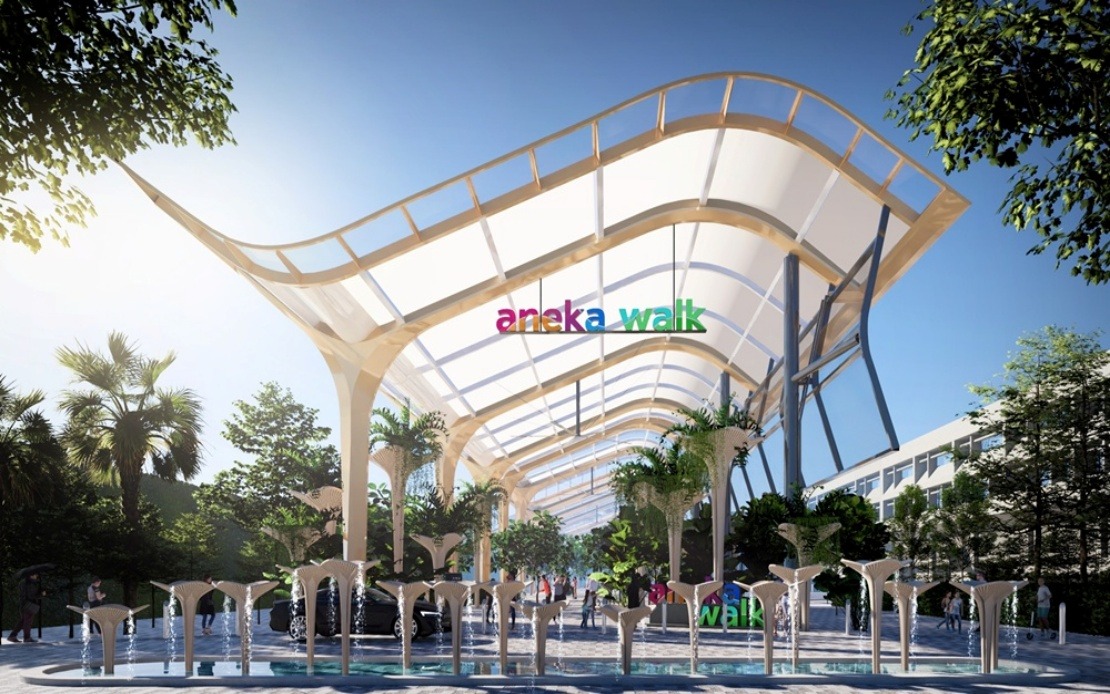
The Selangor State Development Corporation (PKNS) is preparing to bring the global spectacle of the FIFA World Cup 2026 final to the heart of Shah Alam through a major public event. Scheduled for July 19 and 20 at Aneka Walk in Seksyen 14, the PKNS Homes Final World Cup 2026 Mega Live promises to deliver an immersive viewing experience combined with diverse entertainment offerings that appeal far beyond football enthusiasts alone.
The 12-hour marathon event, running from 5 pm on July 19 through to 5 am on July 20, is calibrated to accommodate approximately 1,000 visitors in what organisers position as a celebration of sport and community spirit. The screening of the actual World Cup final match will commence at 3 am on July 20, strategically timed to capture the live broadcast as it unfolds on the international stage. This overnight scheduling reflects the logistical challenge of hosting a Malaysian audience for an event whose timing is determined by the host nation for the 2026 tournament.
Beyond the primary football attraction, PKNS and its partner Selangor FC have engineered a comprehensive entertainment ecosystem designed to sustain visitor engagement throughout the extended timeframe. The activation extends well before the actual match kickoff, with e-sports tournaments, interactive gaming stations, and various carnival-style activities commencing from the event's opening hours. This layered programming approach recognises that modern public events succeed through diversified experiences rather than single-focus attractions.
Among the notable features is a dedicated meet-and-greet segment with Selangor FC players, offering grassroots football fans a rare opportunity for direct interaction with professional athletes. This component serves a dual purpose: it generates authentic engagement with existing football constituencies while simultaneously attracting casual audiences who value celebrity proximity and memorable photo opportunities. The inclusion of lucky draw mechanisms further encourages attendance by introducing an element of chance-based reward beyond the primary experience.
The culinary dimension is integral to the event's design. Multiple food stalls will operate throughout the screening period, recognising that extended public gatherings require sustained nourishment and refreshment options. This commercial component simultaneously benefits food vendors and service providers while enhancing the overall experience quality for attendees. For PKNS, the food economy represents one mechanism through which the event stimulates local economic activity and positions Aneka Walk as a dynamic commercial destination.
Corporate engagement through branded exhibition booths and promotional activations reflects a sophisticated understanding of how public events generate value for multiple stakeholders. PKNS explicitly positions the screening as a platform through which companies can strengthen brand visibility and cultivate direct consumer relationships. This sponsorship model transforms what might otherwise be a purely cultural or entertainment event into a commercial ecosystem where corporate investment enables public programming. Malaysian companies increasingly recognise such opportunities as cost-effective alternatives to traditional marketing channels, particularly for brands targeting the Shah Alam demographic.
The event sits within PKNS's broader strategic initiative surrounding SA Sentral, a development framework aimed at transforming Aneka Walk from a standard shopping destination into a vibrant community and lifestyle hub. Public programming of this magnitude directly contributes to that objective by driving footfall, generating community goodwill, and demonstrating active stewardship of public spaces. For state-level development corporations across Malaysia, such initiatives represent important mechanisms for justifying continued investment in aging or underperforming commercial precincts.
Aneka Walk's positioning as a preferred lifestyle destination for Shah Alam residents depends partly on its capacity to host experiences that residents would otherwise need to access elsewhere. By securing broadcasting rights and organising infrastructure for a world-class sporting event, PKNS effectively plugs a gap in Shah Alam's entertainment infrastructure. This has compounding effects: residents who experience positive community events at Aneka Walk develop stronger attachments to the venue, increasing baseline traffic and benefiting all commercial tenants.
From a Malaysian sports and entertainment perspective, the screening represents a broader phenomenon of how international sporting events are increasingly experienced through distributed public viewings rather than solely via home television. These screening events have become cultural rituals, particularly for football tournaments that command global attention. Malaysia's substantial football-supporting population, combined with the region's economic development, has made such events commercially viable for property developers and municipal authorities.
The 12-hour format also reflects logistical and safety considerations inherent in hosting large public gatherings. Extended operating hours distributed across overnight periods require careful crowd management, security coordination, and facility maintenance. PKNS's capacity to sustain such an event demonstrates operational maturity and suggests confidence in safety protocols. For residents, this professionalism contributes to a sense that public spaces are professionally managed and worth supporting through attendance.
The event appeals to multiple demographic segments: dedicated football supporters motivated by the sporting spectacle itself; families seeking affordable entertainment alternatives; young adults drawn by e-sports and gaming; corporate employees participating through employer-sponsored attendance; and casual attendees motivated primarily by the social and festive atmosphere. This demographic diversity strengthens the event's viability by reducing dependence on any single market segment.
As Malaysia continues developing its event management and public space activation capabilities, initiatives like the PKNS Homes Final World Cup 2026 Mega Live demonstrate how commercial property developers, government entities, and sports organisations can collaborate to create meaningful public experiences. The model offers insights applicable to other Malaysian cities seeking to enliven commercial spaces and strengthen community connections through sports-centric programming. Looking forward, such events may increasingly define how Malaysians experience international sporting moments, transforming commercial venues into temporary cultural commons that strengthen local identity and economic vitality.

