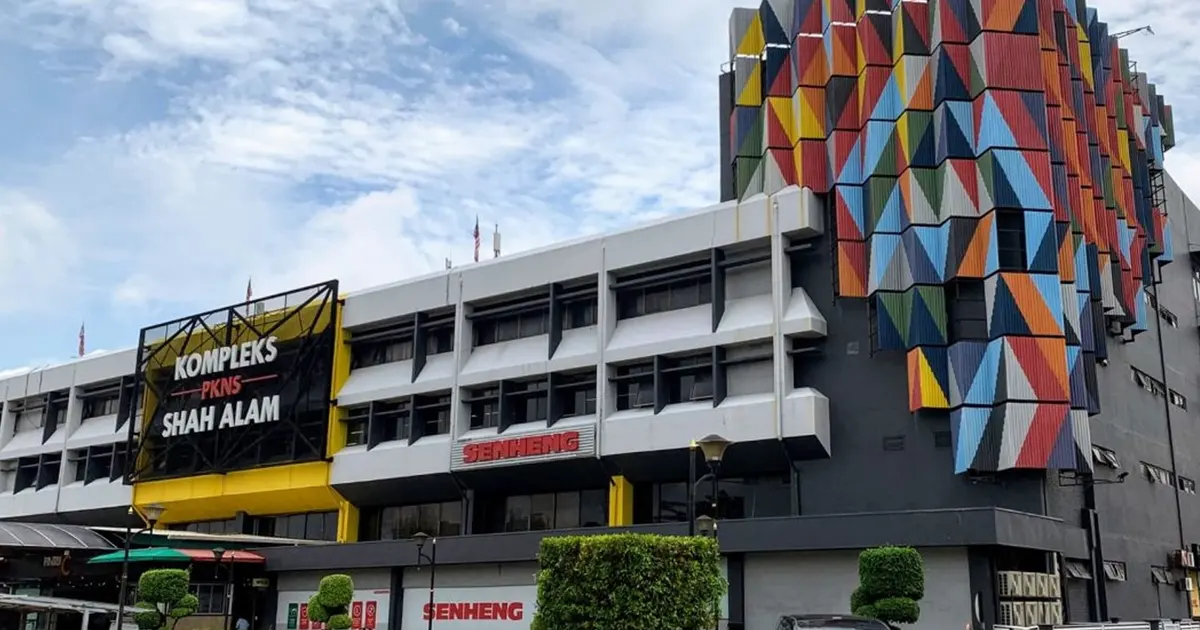
The Selangor State Development Corporation (PKNS) has issued a categorical denial of allegations suggesting the organisation faces severe financial distress, refuting contentions that it has accumulated RM103.7 million in losses alongside a staggering RM6.1 billion debt burden. In a statement addressing what it characterises as misleading claims, the development body maintains that its financial position remains fundamentally sound and that suggestions of institutional instability lack merit.
The denial comes amid broader scrutiny of state-linked entities' fiscal management across Malaysian regional administrations. PKNS, which serves as a critical vehicle for land development, property management, and infrastructure projects across Selangor, faces pressure to demonstrate financial transparency given its pivotal role in the state's economic architecture and its implications for public sector accountability. The corporation's swift rebuttal indicates it views these allegations as potentially corrosive to its operational credibility and investor confidence.
Financial transparency in state development corporations has become increasingly important as these institutions manage substantial public resources and undertake major infrastructure commitments affecting millions of Malaysians. PKNS oversees numerous residential, commercial, and industrial projects that directly influence housing availability, employment opportunities, and economic activity across Selangor—the nation's economic heartland. Any genuine financial deterioration at such an institution could have cascading effects on project completion, service delivery, and state revenue streams.
The corporation's response underscores a recurring tension in Malaysian governance: the need for state entities to operate with greater openness while protecting legitimate business interests and maintaining investor relations. PKNS's assertion that claims are inaccurate raises questions about the source, basis, and calculation methodology underlying the disputed figures. Whether these allegations stem from media reports, political commentary, or formal audits remains crucial context for assessing their credibility and implications.
Selangor's state administration has faced intermittent questions about governance within its statutory bodies and commercial enterprises. As the wealthiest Malaysian state by revenue, Selangor's fiscal management practices attract considerable attention from stakeholders, rival political factions, and civil society observers. PKNS's financial health represents a significant component of broader assessments regarding the state government's administrative competence and fiscal discipline.
The corporation's emphatic denial suggests confidence in its underlying financial position, though without detailed disclosure of counter-evidence or audited statements, independent verification remains challenging for observers seeking clarity. Malaysian corporate governance standards increasingly expect state-owned enterprises to publish comprehensive annual reports, audited financial statements, and transparent accounting practices. PKNS's response would carry substantially greater weight if accompanied by verified financial documentation demonstrating the baseless nature of loss and debt allegations.
For Malaysian investors, particularly those contemplating partnerships with PKNS or purchasing property developed by the corporation, the dispute carries tangible implications. Investor confidence depends partly on transparent evidence regarding institutional financial stability. Property buyers, contractors, and business partners require assurance that PKNS possesses adequate resources to complete projects, honour warranties, and maintain properties to contracted standards. Unresolved questions about financial health, regardless of merit, can undermine transactional confidence and market participation.
The denial also resonates within Selangor's political landscape, where opposition parties and governing coalitions periodically scrutinise each other's management of state resources. How the state administration responds to financial allegations involving its agencies influences broader perceptions of governance effectiveness and administrative integrity. PKNS's categorical rejection signals the state's confidence that allegations cannot withstand scrutiny, though decisive resolution requires independent verification through established auditing and accountability mechanisms.
Moving forward, PKNS would benefit from proactive transparency measures that preempt future allegations. Regular publication of comprehensive financial reports, clear explanation of major financial movements, and engagement with independent auditors strengthens institutional credibility and public confidence. Such transparency particularly matters for state development corporations that operate across markets, manage public resources, and affect citizen welfare through housing, infrastructure, and employment initiatives.
The broader lesson for Malaysian governance concerns the importance of institutional clarity during financial disputes. Rather than competing claims and denials, mechanisms enabling rapid, authoritative verification through independent audits, public disclosure, and transparent reporting strengthen governance systems and public trust. PKNS's denial warrants serious consideration, yet independent confirmation would provide superior assurance to stakeholders across Selangor and Malaysia who depend on state institutions functioning with financial stability and administrative integrity.

