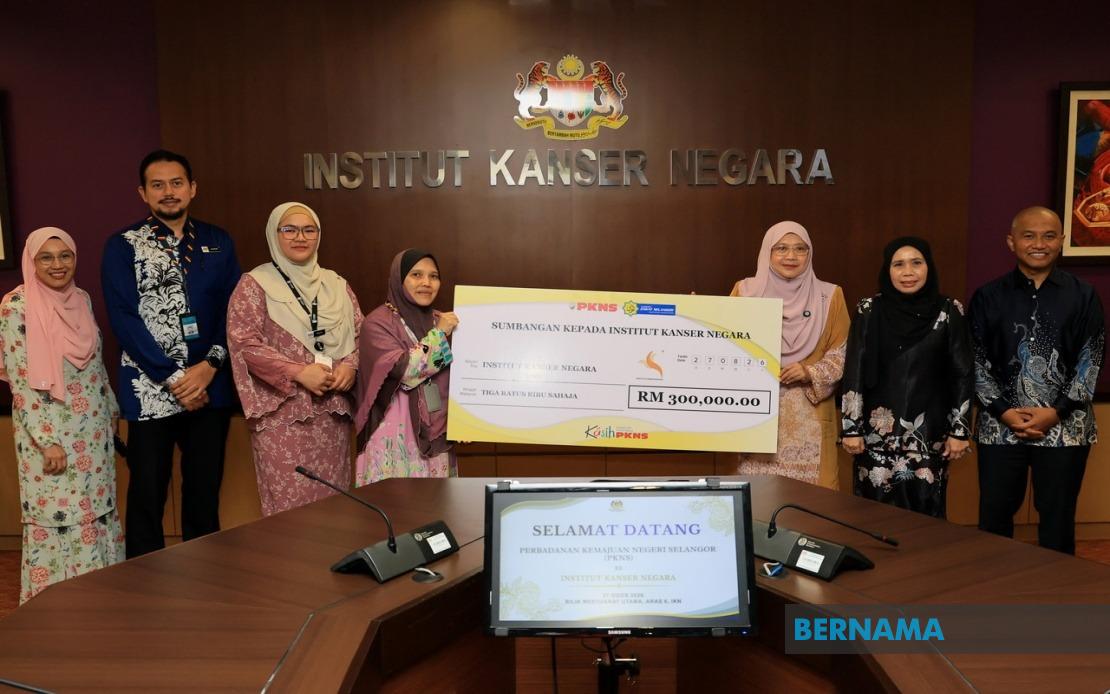
The Selangor State Development Corporation (PKNS) has committed RM300,000 in financial assistance aimed at relieving the economic pressures faced by between 50 and 100 cancer patients currently receiving care at the National Cancer Institute (IKN) in Putrajaya. The contribution, announced on August 27, represents a significant corporate gesture toward one of Malaysia's most pressing health challenges, where treatment costs frequently strain household budgets and force difficult choices between medical care and basic living expenses.
Sapna Turmidi, the senior general manager of PKNS Corporate Services, emphasised that the agency's intervention transcends mere monetary relief. She articulated a broader philosophy of corporate engagement encompassing emotional encouragement, practical solidarity, and recognition of the profound struggles endured by patients and their loved ones navigating the cancer treatment journey. The initiative reflects PKNS's conviction that meaningful social responsibility demands presence, understanding, and genuine human connection alongside financial contribution.
The decision to direct funds toward IKN emerged from a poignant personal loss within PKNS's workforce. A staff member diagnosed with glioma in February passed away merely four months later while receiving treatment at the institute. This tragedy catalysed leadership reflection within the organisation, deepening institutional awareness of the devastating impact cancer exerts on patients, families, and colleagues. The personal dimension of loss transformed abstract corporate responsibility into lived organisational commitment, prompting PKNS to translate grief into constructive action benefiting others confronting similar circumstances.
Structurally, the assistance flows through a carefully designed framework combining corporate resources with Islamic institutional mechanisms. PKNS channels the contribution via wakalah zakat arrangements developed in partnership with the Selangor Zakat Board (LZS), ensuring alignment with Islamic principles governing charitable distribution. The beneficiary pool comprises eligible Muslim cancer patients classified under the asnaf al-Gharimin category, designating individuals whose debts or circumstances have rendered them economically vulnerable. This targeted approach ensures resources reach those facing the most acute financial distress while maintaining compliance with zakat distribution guidelines.
The timing carries symbolic weight as well. PKNS marked its 62nd anniversary on August 1, commemorating its establishment in 1964 as Selangor's principal development agency. Since inception, the organisation has prioritised socio-economic advancement and population welfare across the state, positioning this cancer support initiative as consistent with longstanding institutional purpose rather than incidental philanthropy. The gesture thus represents continuity of mission across decades of operation.
From IKN's perspective, the contribution addresses a critical funding shortfall. Dr Nur Aslina Bahakodin, the institute's director, articulated that annual requirements for supporting underprivileged cancer patients range between RM1 million and RM2 million. This substantial figure encompasses far more than chemotherapy drugs or surgical procedures. Financial assistance extends to medical equipment, essential supplies, transportation expenses enabling patients to attend appointments, specialised nutritional requirements supporting treatment efficacy, and family welfare provisions recognising the collective burden illness imposes across households. Without such support, economically disadvantaged patients frequently forgo follow-up consultations, jeopardising treatment continuity and potentially compromising recovery prospects.
The fragmented nature of cancer care financing creates cascading consequences throughout the healthcare system. Patients unable to afford transport may miss critical monitoring appointments, allowing complications to develop undetected. Nutritional deficiencies resulting from inability to purchase specialised foods can compromise treatment tolerability and outcomes. Family members may sacrifice employment opportunities to provide care, deepening household economic stress. Dr Aslina's emphasis on corporate contributions, zakat institution participation, and NGO involvement reflects institutional recognition that government hospital budgets alone cannot address the comprehensive needs of vulnerable populations facing catastrophic illness.
Implementation procedures ensure equitable distribution based on genuine need. IKN's Medical Social Work Unit will manage fund disbursement following rigorous socio-economic assessment of individual patients and their families. This gatekeeping mechanism prevents resources from reaching those with adequate means while concentrating support on those experiencing severe hardship. Such methodical allocation distinguishes genuine need-based assistance from less targeted charitable approaches.
The cancer epidemic itself has undergone transformation in Malaysia through improved detection infrastructure. Dr Aslina attributed rising case numbers partly to expanded screening programmes and heightened public awareness, meaning many patients receive earlier diagnoses than previously possible. While increased detection rates initially appear alarming, early identification dramatically improves treatment efficacy and survival probabilities. Breast cancer predominates among female patients, whilst colorectal cancer represents the most common malignancy affecting men. These patterns necessitate gender-specific public health communication and screening strategies tailored to population epidemiology.
For Malaysian policymakers and healthcare administrators, the PKNS contribution illuminates persistent gaps between medical capacity and financial accessibility. Even as clinical capabilities advance through improved diagnostics and therapeutic options, economic barriers prevent vulnerable populations from accessing available treatments. Corporate sector engagement through structured partnerships with zakat boards demonstrates how formal Islamic charitable mechanisms can integrate with institutional corporate governance, creating sustainable funding models for healthcare support. This hybrid approach potentially offers a template for other government-linked companies considering healthcare philanthropy across Malaysia's federal territories and state systems.
The initiative also resonates within broader Southeast Asian healthcare policy contexts. Across the region, cancer treatment costs impose disproportionate burdens on lower-income populations, frequently bankrupting families and forcing treatment abandonment. PKNS's approach—combining corporate resources, Islamic institutional frameworks, and targeted poverty-focused assessment—represents a locally grounded response potentially adaptable to other Malaysian institutions and neighbouring countries navigating similar healthcare equity challenges. As cancer incidence continues rising across Southeast Asia alongside population ageing and lifestyle transitions, innovative financing mechanisms combining government, corporate, and faith-based actors will become increasingly essential for ensuring equitable treatment access.

