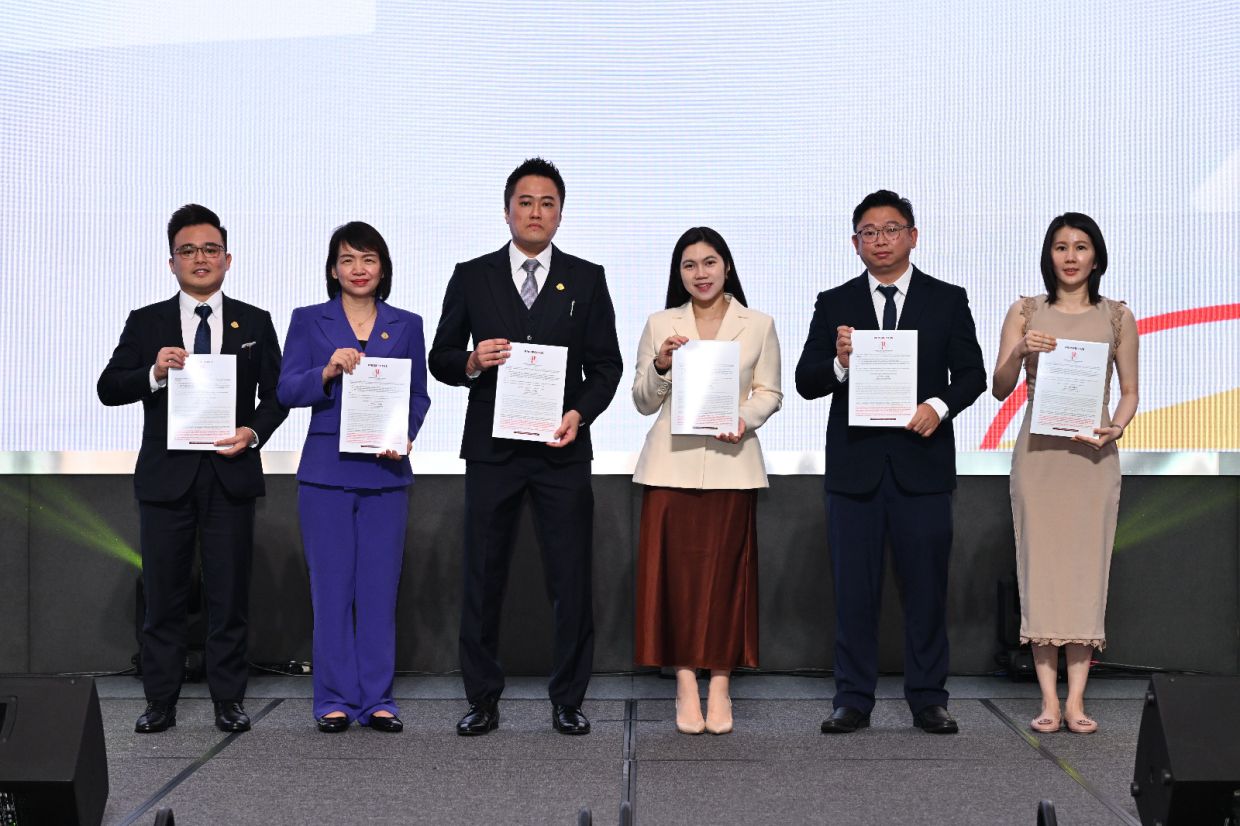
Pioneer Heat Holdings Bhd is moving forward with its plan to join Bursa Malaysia's ACE Market on September 17, 2026, seeking to mobilise RM21.68 million in fresh capital through the public offering. The mechanical engineering services provider views the listing as a pivotal moment to fund an ambitious geographic expansion programme that reflects shifting opportunities in Malaysia's regional industrial landscape.
The fundraising structure reveals the company's strategic priorities. RM4 million will establish a new corporate headquarters and workshop facility in Sendayan, Negeri Sembilan, positioning the firm to better service customers across the country's central region. A further RM2.07 million targets the creation of expanded office infrastructure in Sarawak, reflecting management's conviction that East Malaysia represents a growth frontier for the business. Equipment and machinery purchases will consume RM4.01 million, enabling enhanced operational capabilities, while RM7.90 million is earmarked for general working capital to support organic growth initiatives.
Chief executive officer and executive director Wong Wei Ken articulated a clear vision during the prospectus launch, emphasising that Pioneer Heat has already established a foothold in Sarawak and identified substantial expansion potential. The company currently operates site erection services in the state but intends to vertically integrate by adding fabrication capabilities onshore. This strategic pivot would allow Pioneer Heat to capture additional value in the oil and gas supply chain rather than simply providing labour-intensive installation work. Wong's comments underscore how resource-rich Sarawak increasingly attracts service providers seeking to develop more sophisticated manufacturing and assembly operations.
A significant competitive advantage underpins this expansion strategy. Pioneer Heat has secured a registered vendor licence from Petroleum Sarawak Bhd, the state-owned oil and gas company, positioning itself favourably as Sarawak's hydrocarbon sector continues investing in infrastructure and maintenance programmes. This vendor status provides privileged access to a reliable customer base anchored in long-term energy sector demand, reducing execution risk compared to pursuing ad hoc commercial opportunities.
The IPO structure balances the interests of existing shareholders with broader market participation. Of 86.70 million new ordinary shares being issued, Malaysian retail investors will have access to 17.35 million shares, while selected institutional and sophisticated investors will receive 58.95 million shares through private placement. An additional 10.41 million shares are reserved for the company's eligible directors, employees, and key contributors, creating alignment between management incentives and shareholder value creation. Separately, 17.35 million existing shares will be placed privately, likely generating liquidity for founding shareholders.
The valuation framework suggests market confidence in Pioneer Heat's prospects. At the indicative price of 25 sen per ordinary share, the enlarged capital structure of 346.90 million shares implies a market capitalisation of RM86.73 million upon listing. This valuation reflects investor expectations about the company's earnings potential and growth trajectory, though the relatively modest capitalisation positions Pioneer Heat firmly within the mid-tier segment of Malaysia's mechanical engineering and fabrication services industry.
Timing considerations highlight management's conviction about market receptivity. Applications opened in early September 2026 and close on September 3, 2026, with listing scheduled just two weeks later. This compressed timeline suggests strong demand feedback or institutional backing, enabling the company to move swiftly from fundraising to public market status. Malacca Securities Sdn Bhd's multi-faceted role as principal adviser, sponsor, underwriter, and placement agent indicates institutional confidence in the offering's viability.
For Pioneer Heat, ACE Market listing offers more than capital injection. Public company status facilitates strategic acquisitions, provides currency for employee retention through share schemes, and enhances credibility with major customers and suppliers. The ACE Market's proportionally lighter regulatory burden compared to Main Market listing allows growing mid-sized firms to access capital markets without immediately meeting stringent compliance requirements. This stepping stone nature has made ACE Market a natural launching pad for Malaysian engineering and manufacturing firms pursuing regional expansion.
The geographic positioning of Pioneer Heat's expansion reflects broader structural shifts in Malaysian manufacturing and services. Negeri Sembilan's strategic location within central Malaysia aligns with ongoing industrial decentralisation, while Sarawak increasingly emerges as a centre for resource-based manufacturing beyond traditional commodity extraction. Pioneer Heat's dual investment strategy captures both trends, positioning the company to benefit from infrastructure development corridors and sustained resource sector activity.
Regional competition in mechanical engineering services remains intense, with established players and emerging firms competing for contracts across Malaysia and Southeast Asia. Pioneer Heat's vendor status in Sarawak provides differentiation, but sustained success will depend on execution capabilities, project delivery quality, and capacity to expand workforce expertise. The working capital allocation suggests management recognises these execution dependencies and is building financial flexibility to invest in training and recruitment.
Stakeholders will monitor whether Pioneer Heat's expansion actualises within projected timelines and budgets. Capital deployment discipline matters critically for ACE Market-listed firms, where operational missteps can rapidly diminish investor confidence. The coming years will reveal whether the Sarawak fabrication strategy captures anticipated oil and gas sector growth or confronts cyclical energy market headwinds. Similarly, the Sendayan headquarters development must translate into tangible customer service advantages to justify the capital commitment.

