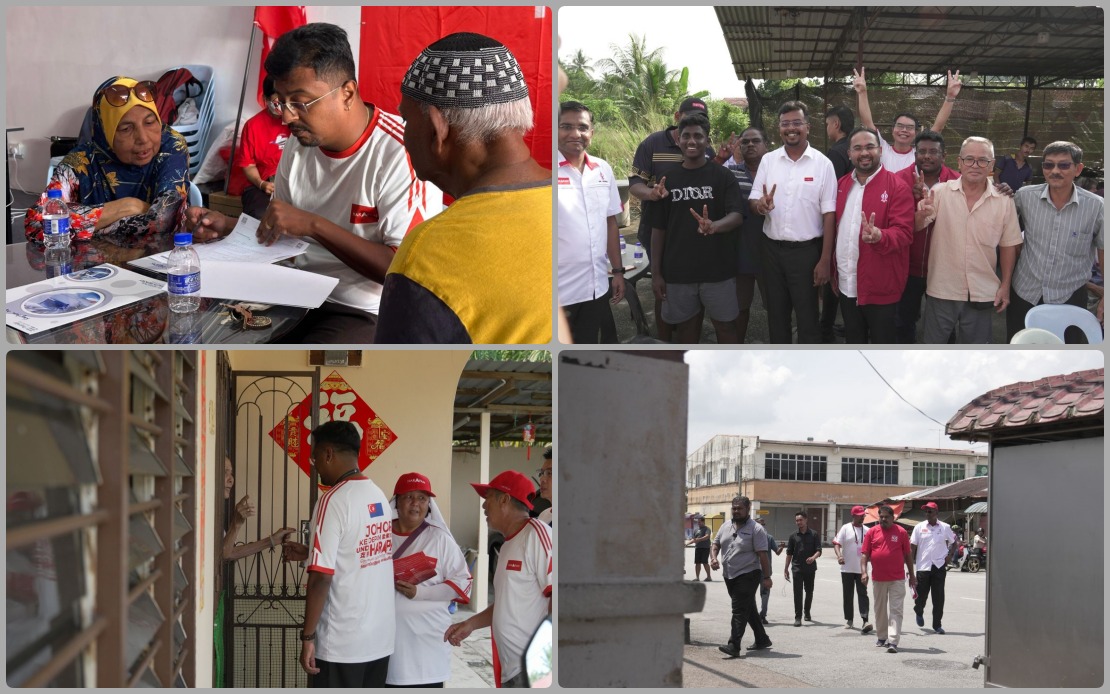
Dr. A. Ruban, the Pakatan Harapan candidate contesting the Paloh state assembly seat in Johor, was admitted to hospital in Batu Pahat on July 7 for medical treatment of a slipped disc that has compromised his mobility. The admission came after the candidate experienced acute spinal pain that severely limited his movement throughout the morning, prompting his campaign team to seek immediate medical intervention. His hospitalisation underscores the physical toll that intensive election campaigns can exact on candidates who are actively engaged in ground-level voter outreach during critical periods of political competition.
According to Abdul Majid Abd Aziz, Dr. Ruban's campaign manager, the hospitalisation was necessitated by the recurrence of a chronic spinal condition that had previously required surgical intervention. The manager revealed that Dr. Ruban's medical history included earlier spinal complications, but the underlying issue had resurfaced following weeks of demanding campaign work. The timing of the flare-up appears directly connected to the gruelling schedule associated with state election campaigning, during which candidates typically undertake numerous walkabouts, public engagements, and community interactions across their constituencies.
The strenuous nature of these campaign activities, combined with the compressed timeframe leading up to the July 11 polling date, created conditions that aggravated Dr. Ruban's pre-existing spinal vulnerability. Abdul Majid acknowledged that fatigue and the relentless campaign schedule had likely contributed to the health crisis, though he emphasised that the candidate's condition remained stable and non-critical. Hospital officials indicated that Dr. Ruban could potentially be discharged within one or two days, suggesting that the acute phase of his medical episode would not extend into the final days before voting.
The hospitalisation raises practical questions about campaign continuity and voter engagement in the Paloh constituency during what remains a crucial period for direct candidate-voter interaction. Abdul Majid moved quickly to assure stakeholders that the Pakatan Harapan machinery would maintain its ground operations and community outreach efforts despite the candidate's temporary absence from active campaigning. The campaign team committed to ensuring that Dr. Ruban's electoral message and policy platform would still reach voters through alternative channels and the efforts of party volunteers and officials.
This commitment to campaign momentum reflects the competitive intensity of the Paloh race, which has attracted a diverse field of contenders. The seat is witnessing a four-way contest involving Dr. Ruban from Pakatan Harapan, D. Jeevakumar representing Perikatan Nasional, independent candidate G. Kamaleswaren, and incumbent Lee Ting Han of Barisan Nasional. The multi-cornered contest means that every day of campaigning carries significant strategic weight, as candidates vie for voter attention and support in what appears to be an unpredictable electoral battleground.
For Pakatan Harapan, maintaining campaign visibility becomes particularly important when their candidate faces a temporary health setback. The party's willingness to publicly acknowledge Dr. Ruban's hospitalisation while simultaneously emphasising campaign continuity demonstrates a pragmatic approach to managing potential negative perceptions. By framing the situation as temporary and manageable, while highlighting the party's institutional strength beyond individual candidates, Pakatan Harapan attempts to minimise any electoral damage from this disruption.
The broader context of the 16th Johor state election, scheduled for July 11, involves multiple contests across the state where health incidents and campaign interruptions could potentially influence outcomes. Early voting had already commenced on the day of Dr. Ruban's hospitalisation, meaning that a portion of the electorate would already be casting ballots before the candidate could fully resume campaigning. This timing dynamic creates a window of vulnerability during which voter decisions are being solidified without the candidate's direct participation.
For Malaysian voters and political observers, the incident highlights the demanding physical and mental requirements of electoral politics. Candidates routinely navigate extended campaign schedules while managing personal health matters, often without the luxury of significant rest periods. The visibility of Dr. Ruban's hospitalisation also reflects the transparency that modern election campaigns typically maintain, as medical incidents involving high-profile political figures are now regularly disclosed to media and public constituencies.
The Paloh constituency represents one of numerous battlegrounds across Johor where electoral outcomes will be determined by factors ranging from campaign effectiveness and candidate visibility to policy appeal and local grievances. Dr. Ruban's temporary absence from ground campaigning introduces an unpredictable element into the Paloh race dynamics, though his party's commitment to maintaining electoral momentum suggests they are treating this as a manageable interruption rather than a campaign-altering crisis. As the July 11 polling date approaches, the extent to which this health episode influences voter behaviour in Paloh will only become apparent once voting concludes.

